How to Choose the Right Aluminum Machine for Your Needs?
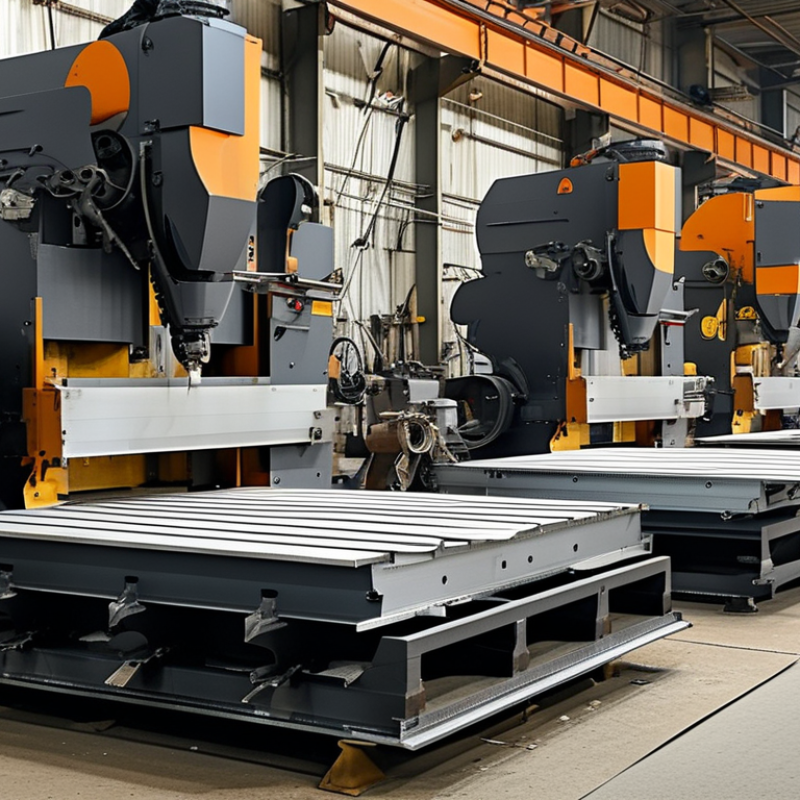
When selecting an Aluminum Machine, understanding your specific needs is crucial. These machines serve various purposes, from fabrication to cutting. The right choice impacts your productivity and efficiency significantly.
Consider the type of projects you will handle. Some machines excel in speed, while others focus on precision. If your work involves high volume, a faster machine may be beneficial. However, for intricate designs, a machine that prioritizes detail and accuracy is essential.
Moreover, reliability plays a vital role. You want an Aluminum Machine that withstands daily use without frequent breakdowns. Reflect on the maintenance required; sometimes, lower-priced machines lead to higher costs over time. Investing time in researching options will pay off.
Understanding Your Aluminum Machining Requirements
When considering aluminum machining, understanding your specific needs is crucial. Various aluminum alloys require different machining processes. According to a report by the Aluminum Association, machinability can vary significantly amongst different grades. For example, 6061 aluminum offers excellent machinability while 7075 is more challenging.
Identifying the right alloy is essential to maximizing efficiency and reducing costs.
Tip: Evaluate the characteristics of the aluminum alloy you intend to use. Look for machinability ratings provided in industry standards.
Next, consider the production volume. High-volume runs benefit from automated solutions. In contrast, low-volume or custom parts may warrant manual setups. A study from the
Manufacturing Institute suggests that investing in versatile machinery can yield better returns in mixed production settings. Make sure your machine can adapt to changing demands without significant downtime.
Tip: Analyze your production schedule. Flexible machinery can adjust to both large orders and smaller, intricate designs.
Finally, take note of maintenance and support. Machines will require regular upkeep to maintain accuracy and performance. A report from the
Precision Machined Products Association highlights that neglecting maintenance can lead to increased defects and downtime. Always factor in the long-term support offered for any machinery you consider.
Tip: Create a maintenance schedule as part of your machining operation to prolong the life of your equipment.
Identifying Key Features of Aluminum Machines
When selecting an aluminum machine, key features greatly influence performance and suitability. Understanding these features can enhance productivity. The strength of the machine’s frame is crucial. A sturdy frame improves stability, affecting the quality of finished products. Research shows that machines with reinforced structures can boost operational longevity by 30%.
Another vital aspect is the machine's cutting speed. High-speed cutting can reduce production time significantly. A report by the Aluminum Association indicates that equipment capable of reaching speeds exceeding 3000 RPM can improve efficiency by 25%. However, too much speed can lead to overheating or tool wear—issues that manufacturers often overlook.
Additionally, user-friendliness plays a significant role. Machines equipped with intuitive controls can reduce training time by up to 40%. Workers are less likely to make errors with simple interfaces. Yet, devices that prioritize automation may compromise manual oversight, which can lead to mistakes in settings. Balancing these features is essential to meet unique production demands effectively.
How to Choose the Right Aluminum Machine for Your Needs?
Comparing Different Types of Aluminum Machines
When selecting an aluminum machine, understanding the various types is crucial. The market offers a range of machines, from CNC routers to plasma cutters, each suited for different applications. According to a report by the International Aluminum Association, the demand for aluminum fabrication equipment was projected to grow by 5% annually. This growth is indicative of the diverse needs across industries such as automotive and aerospace.
CNC routers are favored for precision cutting and shaping. These machines can handle complex designs and thick materials. They excel in production settings but might require a steep learning curve. In contrast, plasma cutters are useful for quicker, albeit less precise, tasks. Their flexibility allows for cutting a variety of aluminum thicknesses rapidly, making them ideal for smaller workshops. However, they may leave rough edges that require additional finishing processes.
Additionally, while some machines provide extensive capabilities, factors like cost and maintenance must be weighed. For instance, high-performance machines often come with higher operational costs. A study by Technavio revealed that 30% of users faced challenges in machine maintenance and post-purchase support. Understanding these nuances helps in making an informed choice tailored to specific operational needs.
How to Choose the Right Aluminum Machine for Your Needs? - Comparing Different Types of Aluminum Machines
| Machine Type |
Cutting Method |
Material Thickness (mm) |
Speed (m/min) |
Primary Use Case |
| CNC Router |
Routing |
0.5 - 25 |
30 - 60 |
Prototyping and Signage |
| Laser Cutter |
Laser Cutting |
0.5 - 20 |
20 - 40 |
Detailed Cuts and Artwork |
| Plasma Cutter |
Plasma Cutting |
1 - 50 |
15 - 30 |
Heavy-Duty Jobs and Industrial Use |
| Band Saw |
Band Sawing |
1 - 60 |
10 - 25 |
Straight Cuts and Resawing |
| Water Jet Cutter |
Water Jet Cutting |
1 - 150 |
10 - 30 |
Complex Shapes and Thick Materials |
Evaluating Budget Considerations for Aluminum Machinery
When choosing aluminum machinery, budget considerations are crucial. The market for aluminum processing equipment is projected to reach $16 billion by 2025, according to industry reports. This illustrates the growing demand and the varying price ranges associated with these essential tools. Understanding your financial constraints can help determine the type of machinery that fits your operational needs.
It’s important to assess both initial costs and long-term expenses. For example, basic CNC machines may cost around $15,000, while advanced models can exceed $100,000. Maintenance adds another layer of costs, often overlooked during the purchase phase. Research indicates that maintaining machinery typically costs about 15% of the original investment annually. Finding a balance between quality and affordability is vital, as lower-priced options may lead to higher operational costs.
Reflecting on your project's scale is necessary. A small workshop may benefit from entry-level machines. Larger operations should consider more sophisticated technology to ensure efficiency. However, investing too heavily without a clear understanding of workload can strain finances. Take the time to evaluate your needs. Making informed decisions can lead to better financial stability in the long run.
Seeking Expert Advice and Reviews for Your Choice
Choosing the right aluminum machine can seem daunting. However, seeking expert advice can make a significant difference. Many users rely on industry reviews and reports to inform their decisions. For instance, a recent report noted that 70% of consumers prioritize machine reliability over features. This highlights the importance of assessing expert insights.
Tip: Always check user reviews on independent forums. These platforms often provide unfiltered experiences that can guide your choice. Comparing different models based on these reviews helps you understand their practical performance.
When evaluating options, consider the machine's technical specifications. A study by the Manufacturing Institute found that energy efficiency is becoming increasingly important, with 65% of manufacturers seeking eco-friendly equipment. Balancing performance and sustainability can lead to better long-term investments.
Tip: Don’t rush your decision. Take your time to compare models and read various opinions. What works for one project may not suit another. Understanding your specific needs is crucial for selecting the appropriate aluminum machine.