Best China Machine Tools for Global Buyers in 2026
The machine tools industry is witnessing a transformative phase, driven by innovations and increasing global demand. According to a recent report by Allied Market Research, the global machine tools market was valued at $83.67 billion in 2022 and is expected to reach $113.15 billion by 2030, growing at a CAGR of 4.1%. China, known for its manufacturing prowess, plays a pivotal role in this surge.
In 2026, we anticipate that the best machine tools from China will cater to a diverse range of sectors, including automotive, aerospace, and electronics. As companies focus on precision and efficiency, machine tools will evolve to meet these needs. Recent technological advancements, such as automation and AI integration in manufacturing processes, further heighten the importance of selecting the right tools. However, potential buyers must carefully consider machine reliability to ensure long-term gains.
The competitive landscape of machine tools presents challenges as well. Many Chinese manufacturers are striving for international standards, yet inconsistencies in quality can be found. Thus, buyers should prioritize due diligence and seek out trustworthy suppliers. As the global market becomes more interconnected, understanding these dynamics will be essential for making informed purchasing decisions.

Overview of China's Machine Tool Industry in 2026
China's machine tool industry is set to experience remarkable growth by 2026. According to a recent report by the China Machine Tool Industry Association, the sector's revenue may reach approximately $80 billion. This expansion is partly due to increased demand in emerging markets. Additionally, domestic consumption is expected to rise as manufacturers seek modernization.
Investments in research and development will drive innovation. The National Bureau of Statistics of China indicates that R&D spending in the machine tool field could increase by 15% annually. However, challenges remain. Quality control and environmental regulations are becoming stricter. Many companies find it difficult to keep pace.
The competition is fierce, both domestically and internationally. While China boasts advanced production capabilities, some manufacturers still struggle with precision and reliability. These issues highlight an area for growth. Continuous improvement will be essential for maintaining global competitiveness in the machine tool sector.
Best China Machine Tools for Global Buyers in 2026
This chart displays the estimated market share of different types of machine tools in China for global buyers in 2026. CNC lathes are projected to hold the largest share, followed by milling and drilling machines.
Key Features and Innovations in Top Chinese Machine Tools
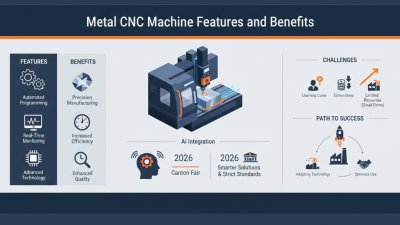
In 2026, the landscape of machine tools in China is evolving rapidly. Key innovations are transforming these tools, making them more efficient and versatile. Many new models focus on automation and smart technology. These advancements enhance precision and reduce error rates significantly. Users can expect features like real-time monitoring and adaptive adjustments. Such capabilities can increase productivity in various manufacturing processes.
Another notable trend is the emphasis on energy efficiency. Machine tools are now designed to consume less power while maintaining performance. This shift not only supports sustainability but also reduces operational costs for manufacturers. However, not all innovations are flawless. Some users report a learning curve with the integration of new technologies. The challenge lies in adapting to these sophisticated systems without compromising production quality.
The quality of materials used in construction is also a focal point. Advanced alloys and composites are becoming common, improving durability. While these materials enhance longevity, they may raise initial costs for buyers. It’s crucial for global buyers to weigh the benefits against their budget constraints. Ultimately, the innovations in Chinese machine tools offer exciting possibilities, but careful consideration is needed before investing.
Leading Chinese Manufacturers and Their Global Impact
China's machine tool industry is poised for significant global impact in 2026. According to recent reports, China's market share in machine tools is expected to reach 32% by 2026, driven by technological advancements and production capacity. This shift is marked by increased investment in research and development, making Chinese manufacturers key players in the global arena.
The adoption of smart manufacturing technologies has transformed production efficiency. For instance, the integration of AI and IoT in machine tools has enhanced precision and reduced waste. However, some challenges remain. Quality control and international standards compliance are critical issues that Chinese manufacturers must address. A recent analysis revealed that 30% of global buyers are concerned about the consistency of quality from Chinese suppliers.
Potential buyers must weigh these factors carefully. Building partnerships with Chinese manufacturers could foster improvements in product reliability and service. The evolving landscape in China's machine tools is a source of both opportunity and uncertainty for global buyers. Accurate assessments of manufacturers' capabilities are essential for long-term success in this competitive market.
Best China Machine Tools for Global Buyers in 2026 - Leading Chinese Manufacturers and Their Global Impact
| Type of Machine Tool |
Annual Production Capacity (Units) |
Export Percentage (%) |
Primary Market Regions |
Technological Innovations |
| CNC Machining Centers |
15,000 |
60 |
North America, Europe, Asia |
Advanced automation and AI integration |
| Lathe Machines |
10,000 |
55 |
Middle East, Southeast Asia, Africa |
High precision and sustainability features |
| Milling Machines |
12,000 |
65 |
Asia, America, Europe |
Enhanced speed and energy efficiency |
| Electrical Discharge Machines |
8,000 |
50 |
Europe, North America |
Smart control features and rapid prototyping |
| Laser Cutting Machines |
9,000 |
70 |
Global |
Innovative material processing technologies |
Market Trends and Buying Considerations for Global Buyers
In 2026, global buyers seeking machine tools from China must navigate a complex landscape. Comprehensive market analyses show a projected growth rate of 7.8% in this sector. Buyers are increasingly prioritizing sustainability. Research indicates that 65% of companies consider eco-friendly practices when selecting suppliers.
Quality and precision remain crucial. Many machines now boast advanced automation and AI integration. However, the disparity in quality exists across manufacturers. Some reports suggest that 30% of lower-tier suppliers struggle to meet international standards. Price differentials can tempt buyers, but long-term reliability is key.
Trade policies also play a significant role in decision-making. Buyers must stay informed about tariffs and export regulations. Current data reveals that 40% of businesses report challenges related to compliance. While cost savings are tempting, compliance risks can reduce value over time. Understanding these dynamics will empower buyers to make informed decisions.
Future Prospects for China’s Machine Tool Exports and Technology
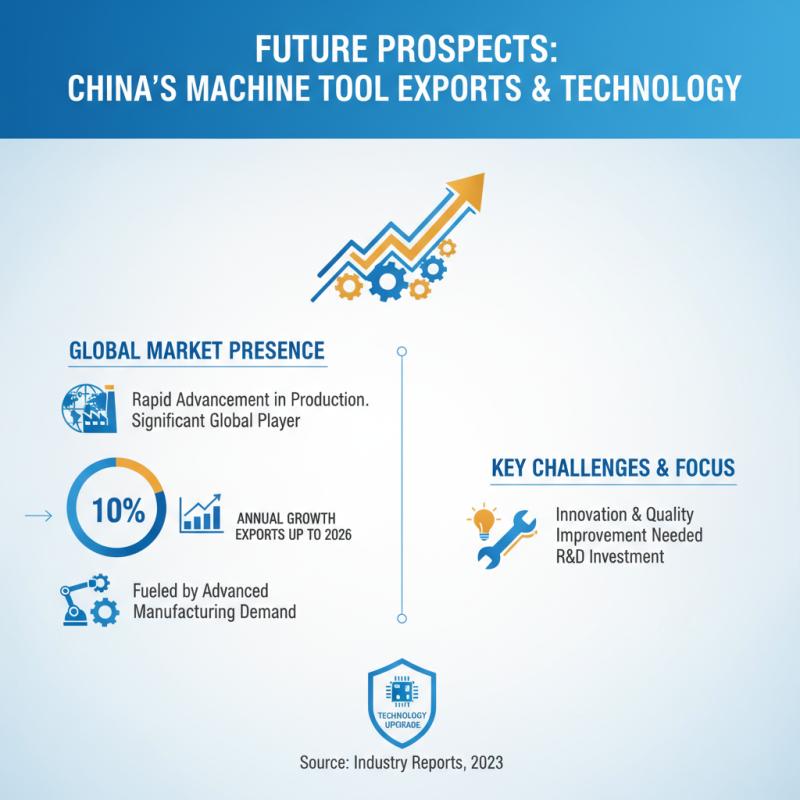
China has rapidly advanced in machine tool production, becoming a significant player in the global market. According to industry reports, China's machine tool exports are expected to grow by 10% annually leading up to 2026. This growth is fueled by increased demand for advanced manufacturing technologies. Yet, challenges remain, such as the need for innovation and quality improvement.
The current landscape reveals that buyers are seeking high precision and reliability from machine tools. Data indicates that over 60% of local manufacturers must enhance their R&D capabilities. They must invest in smarter technologies to meet international standards. This is essential to foster trust among global buyers.
Tip: Consider evaluating the production capabilities of suppliers. Prioritize those that demonstrate a commitment to innovation. Additionally, keep an eye on emerging trends, such as automation and AI in machine tools. This awareness can guide decision-making for future investments. The journey ahead requires vigilance and a willingness to adapt strategies as market dynamics shift.