2026 Best Aluminum Machine Innovations for Efficient Manufacturing?
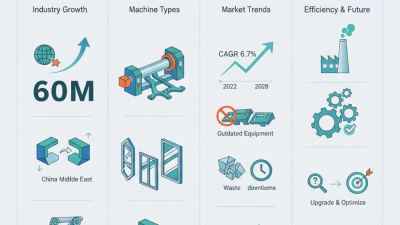
The aluminum machine industry is on the brink of a significant transformation. Innovations in aluminum machinery have been gaining traction at an unprecedented pace. According to Dr. Emily Stein, a leading expert in advanced manufacturing, “Efficiency and sustainability in aluminum machine processes will define our future.” Her insight emphasizes the critical role of cutting-edge technology in enhancing production.
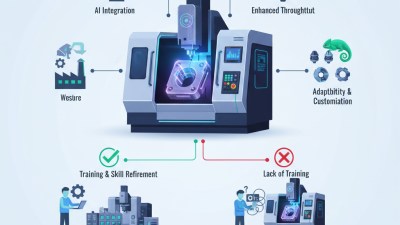
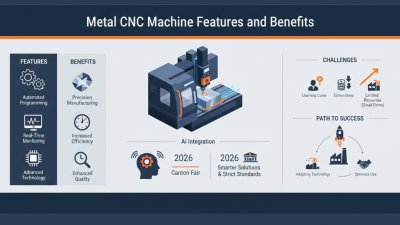
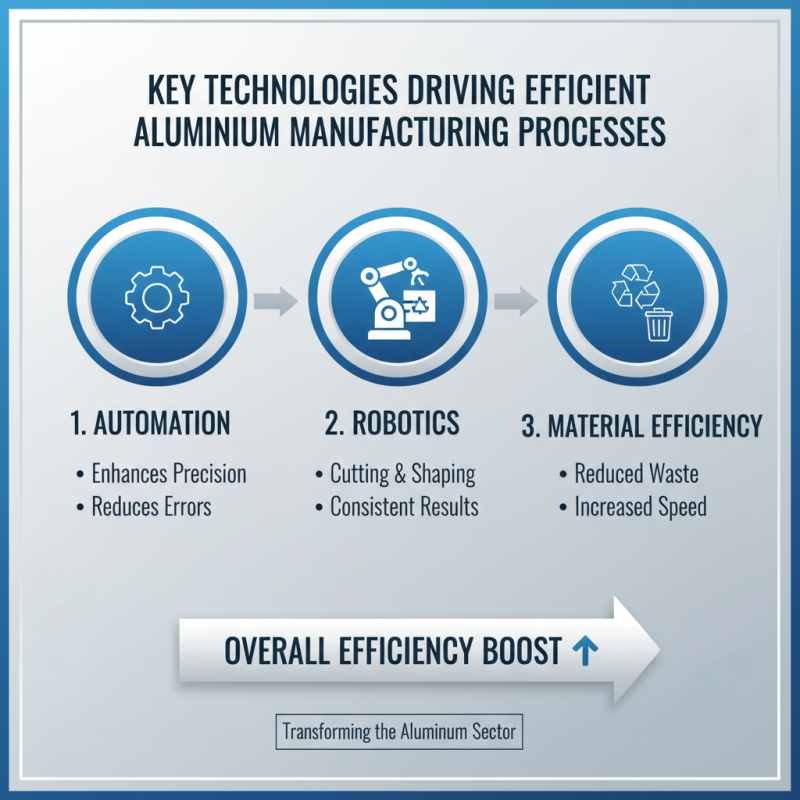
In 2026, manufacturers are expected to harness AI and automation to optimize aluminum machining processes. This will lead to improved precision and reduced waste, key elements for any modern manufacturing facility. Contemplating these advancements brings to light essential considerations. While efficiency is vital, the dependency on technology raises questions about workforce adaptation. Machines may perform tasks with incredible accuracy, but the human element remains irreplaceable.
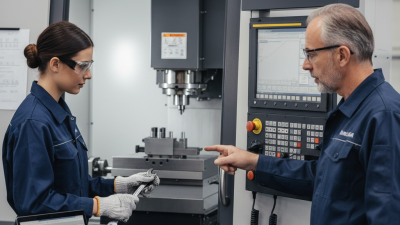
The landscape of aluminum machine innovations is evolving. Businesses must strike a balance between embracing new technologies and ensuring comprehensive training for their employees. The journey toward efficient manufacturing is complex and requires constant reflection. Each advancement presents opportunities and challenges, and only by navigating these can the industry truly thrive.
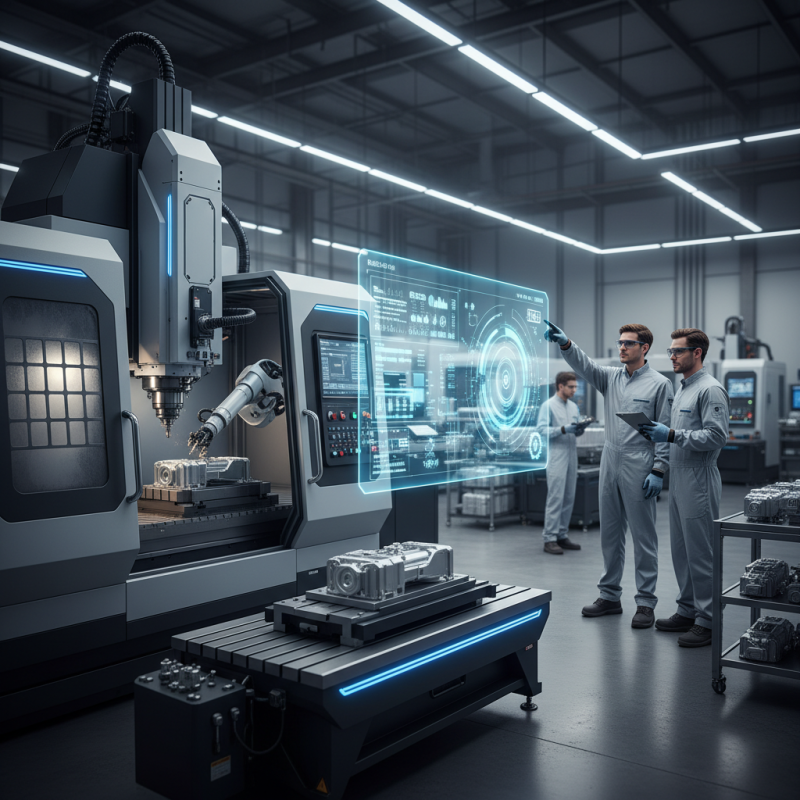
Recent Trends in Aluminum Machinery Innovations for 2026
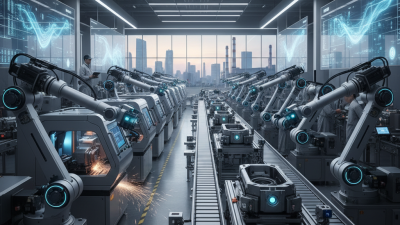
The aluminum manufacturing industry is witnessing remarkable innovations in 2026. These advancements focus on enhancing efficiency and sustainability. One notable trend is the development of smart machinery. These machines utilize AI and IoT technology to optimize operations in real time. They can predict failures before they occur, minimizing downtime.
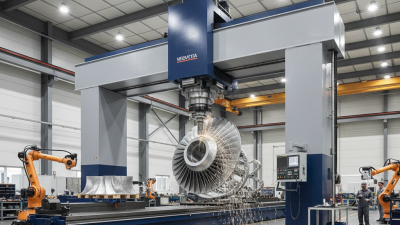
Another key trend is the use of additive manufacturing techniques. This approach allows for complex aluminum components to be created with minimal waste. It challenges traditional manufacturing methods. However, the shift requires a different skill set for workers. Training and adaptation become crucial.
Sustainability remains a priority in machine design. Many innovations emphasize energy efficiency. This trend addresses growing concerns about carbon footprints. Implementing these technologies may be costly initially. Yet, the long-term benefits can greatly outweigh these costs. Effective integration requires thoughtful planning and resource allocation. However, the potential for increased production efficiency makes it an appealing option.
The Role of Automation in Advancing Aluminum Machinery Efficiency
Automation plays a crucial role in enhancing the efficiency of aluminum machinery. With advancements in technology, automation systems optimize processes and reduce human error. This shift leads to a smoother workflow, streamlining production in aluminum manufacturing. Machines equipped with sensors and AI can monitor performance in real-time. This capability allows for quick adjustments, minimizing downtime.
Tips for integrating automation include starting small. Test automation tools on one machine before scaling up. Monitor performance closely. This will help identify any issues early. It’s also beneficial to involve your team in the process. Employee feedback can provide insights that improve efficiency.
While automation offers many advantages, some challenges remain. Initial setup costs can be high. Staff may resist change due to fear of the unknown. It’s important to address these concerns through training and open communication. Balancing technology and human skills is essential for successful implementation. Emphasizing collaboration can lead to a more adaptive manufacturing environment.
2026 Best Aluminum Machine Innovations for Efficient Manufacturing
| Innovation |
Description |
Key Benefit |
Efficiency Improvement (%) |
Implementation Year |
| Robotic Welding Systems |
Automated robotic arms for precise aluminum welding. |
Increased accuracy and reduced waste. |
25% |
2026 |
| Smart Cutting Machines |
CNC machines with AI for optimized cutting paths. |
Reduced material costs and time. |
30% |
2025 |
| Automated Quality Inspection |
Vision systems to detect defects in real-time. |
Improves product quality and minimizes returns. |
20% |
2026 |
| IoT-Enabled Machinery |
Machines connected to the cloud for real-time monitoring. |
Enhanced preventive maintenance and reduced downtime. |
15% |
2025 |
| Energy-Efficient Extrusion Press |
Extrusion presses designed to use less energy. |
Lower operational costs and environmental impact. |
35% |
2026 |
Sustainability in Aluminum Manufacturing: Innovations for Eco-Friendly Practices
Sustainability is transforming aluminum manufacturing.
Innovative practices are enhancing eco-friendliness. According to the Aluminum Association, recycling aluminum saves 90% of energy compared to new production.
This statistic reflects the urgent need for sustainable methods in the industry.
New technologies are emerging to address these challenges. For example, using advanced casting methods reduces waste significantly.
Some companies have reported waste reductions of up to 30% with these techniques.
Moreover, integrating renewable energy sources has become a priority. Many manufacturers are now sourcing up to 50% of their energy from wind or solar power.
However, the journey toward sustainability is not without obstacles. Many facilities still rely heavily on fossil fuels.
This reliance poses a dilemma as the industry pushes for greener practices. Transitioning to complete sustainability will require continuous effort and innovation.
It's essential for the sector to remain committed to sustainable goals while tackling these challenges head-on.
Case Studies of Successful Aluminum Machine Innovations in 2026
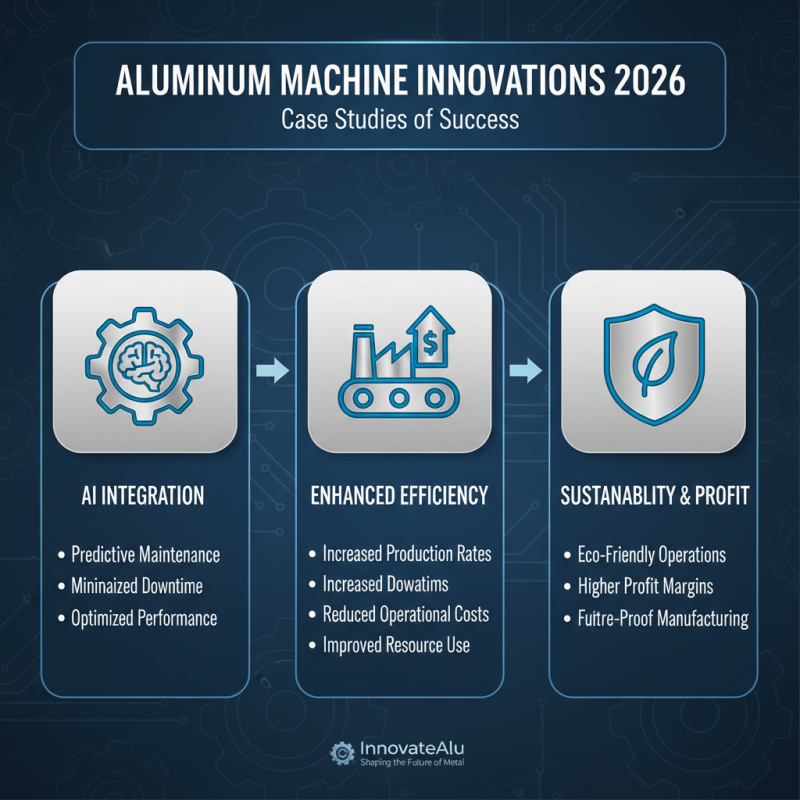
In 2026, the aluminum manufacturing sector experienced remarkable innovations. Companies embraced advanced technologies to improve efficiency. These innovations not only enhanced production rates but also reduced operational costs. For instance, some manufacturers integrated AI into their machines. This led to predictive maintenance, minimizing downtime.
One notable case involved a factory that implemented smart sensors on their aluminum extruding machines. These sensors provided real-time data, which helped with process adjustments. The factory reported a 25% increase in production efficiency. Operators could easily spot anomalies before they turned into costly failures.
Tips: Regularly assess your equipment for potential upgrades. Even small enhancements can make a difference. Training employees on new technologies is crucial. Without proper understanding, you may not see the expected results. Lastly, gather feedback from your team. Their insights can highlight areas for improvement. This collaborative approach fosters a culture of continuous innovation, essential for staying competitive in the industry.