Top 10 Best Aluminum Machines for Efficient Manufacturing?
Aluminum machining has become a cornerstone of modern manufacturing. As the aerospace and automotive industries rapidly advance, the demand for high-quality aluminum machines has surged. According to a report by Smith Industry Insights, the aluminum machining market is projected to grow by 8.5% annually over the next five years. This growth signals a pivotal shift in how manufacturers approach production efficiency.
Industry expert Dr. Emily Parker, a leading authority on aluminum technology, emphasizes, "The right aluminum machine can revolutionize manufacturing workflows and reduce waste." This underscores the importance of selecting the best machines for specific applications. However, not all aluminum machines are created equal. Variability in performance and efficiency can lead to challenges in production lines. Manufacturers must critically evaluate the machines they choose to ensure they meet their operational needs.
Choosing effective aluminum machines can be complex. Some machines may promise high speeds but fail to deliver durability. Others may excel in precision but fall short in power. The key lies in balancing these factors. Investing in top-tier aluminum machines can significantly enhance productivity and reduce long-term costs.
Top Aluminum Machines for Precision Manufacturing Applications
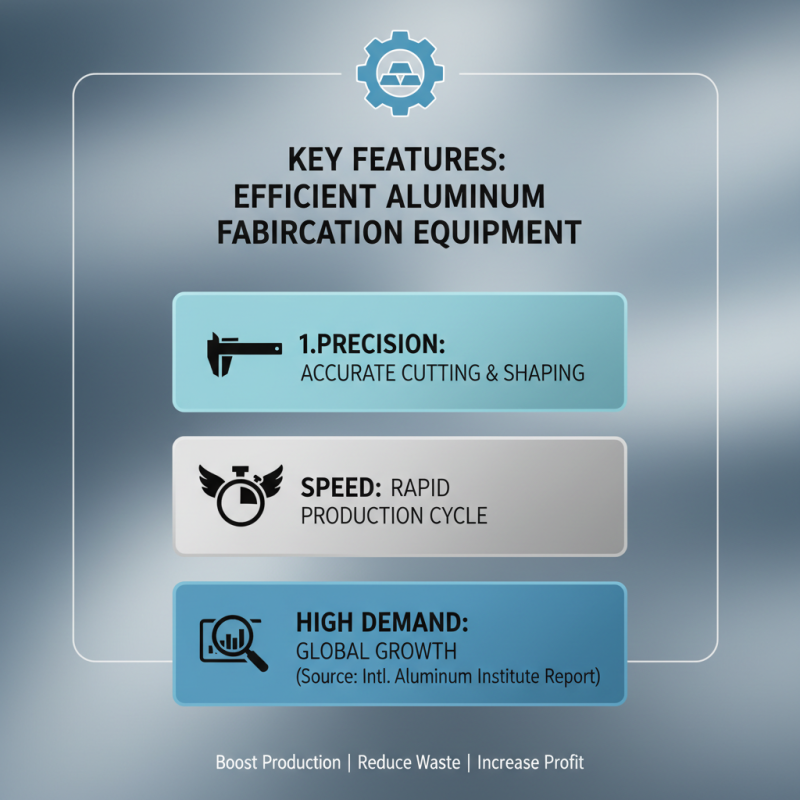
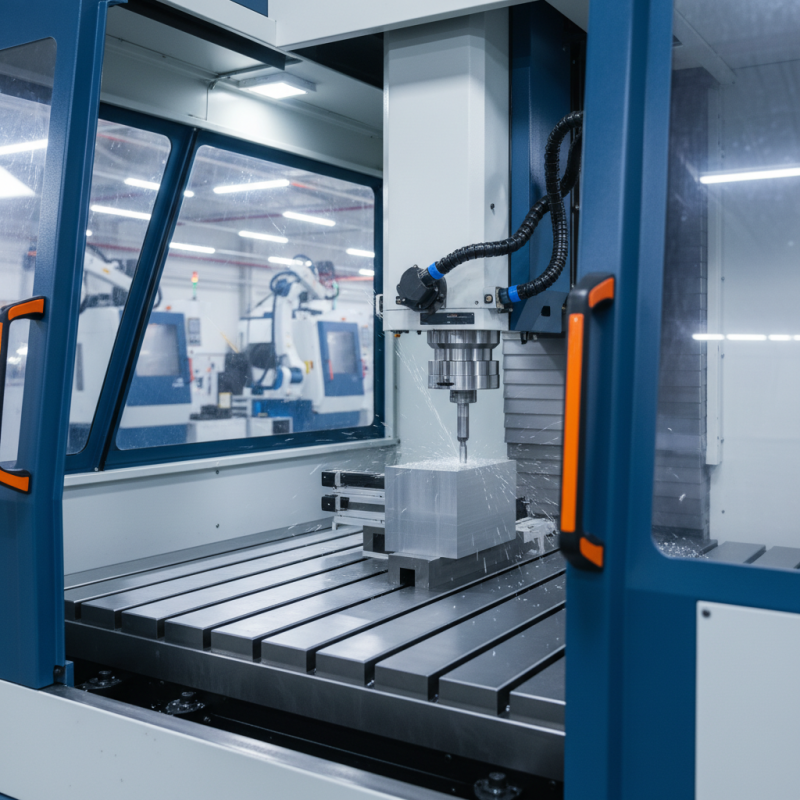
In the world of aluminum manufacturing, precision is essential. Machines designed specifically for this purpose play a crucial role. They enhance accuracy, boost efficiency, and streamline production processes. The right choice of equipment can significantly impact the quality of the final product. This is particularly important in industries such as aerospace, automotive, and electronics.
When selecting aluminum machines, consider the type of projects you undertake. Some machines excel in cutting, while others are better suited for shaping. Ensure that the specifications match your manufacturing needs. Regular maintenance of these machines is vital to avoid downtimes. Neglecting this can lead to costly delays and decreased productivity.
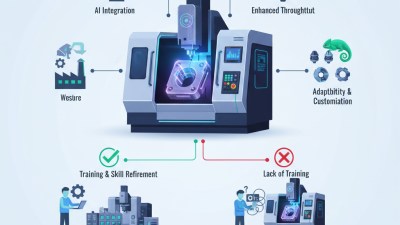
Tip: Always invest in training for your operators. Skillful handling of machines ensures optimal performance and reduces the risk of errors. Investing in proper training reflects on the overall quality of the output. Reflect on your current processes often; you may find areas for improvement that can elevate your production standards.
Benefits of Using Aluminum Machines in the Manufacturing Sector
Aluminum machines are becoming increasingly popular in the manufacturing sector. They offer several advantages that enhance efficiency and productivity. One key benefit is their lightweight nature, which reduces transportation costs. Additionally, aluminum has a high strength-to-weight ratio, making it ideal for various applications. This material is also resistant to corrosion, ensuring longevity and reducing maintenance needs.
Using aluminum machines can significantly enhance production speed. These machines can efficiently handle various manufacturing processes, from cutting to shaping. Their precision leads to minimal waste, which is a crucial factor in today’s economy. Furthermore, aluminum is recyclable, aligning manufacturing with sustainability goals.
Tips: When considering aluminum machines, assess your production needs first. Invest in training staff to operate these machines proficiently. Monitor maintenance schedules to avoid unexpected downtime. Remember, implementing new technology may present challenges. Ensuring proper alignment within your current workflow is necessary. Adaptations can lead to better results and increased efficiency. Consider continuous improvement for long-term benefits.
Comparative Analysis of Leading Aluminum Machine Brands and Their Performance
Manufacturing aluminum requires advanced machines for efficiency. Various brands offer machines to address this need. Each brand has its strengths and weaknesses. Some machines excel in speed, while others focus on precision.
When analyzing performance, factors include technology and user experience. Some machines are equipped with cutting-edge automation. This feature can reduce labor costs and increase output. However, automation can also lead to over-reliance on machinery, risking quality control.
Durability is another key consideration. Machines must withstand heavy use, but not all brands succeed in this regard. Some users report issues with wear and tear over time. Selecting a machine that balances performance and longevity is crucial for manufacturers. An informed choice ensures sustainability and efficiency in the long run.
Top 10 Best Aluminum Machines for Efficient Manufacturing
| Machine Type |
Max Sheet Size (mm) |
Processing Speed (m/min) |
Power Consumption (kW) |
Weight (kg) |
Price Range ($) |
| CNC Milling Machine |
2000 x 1000 |
15 |
7.5 |
1500 |
25,000 - 30,000 |
| Laser Cutting Machine |
3000 x 1500 |
20 |
10 |
2000 |
50,000 - 60,000 |
| Punching Machine |
1500 x 750 |
12 |
5.5 |
800 |
15,000 - 20,000 |
| Bending Machine |
2500 x 1200 |
10 |
6 |
1200 |
30,000 - 35,000 |
| Extrusion Press |
N/A |
Variable |
50 |
5000 |
80,000 - 100,000 |
| Welding Machine |
N/A |
Variable |
25 |
300 |
20,000 - 25,000 |
| Surface Treatment Machine |
2000 x 1000 |
Variable |
15 |
1200 |
35,000 - 45,000 |
| Finishing Machine |
1500 x 750 |
8 |
4 |
600 |
10,000 - 15,000 |
| Robotic Arm Machine |
N/A |
Variable |
15 |
300 |
50,000 - 70,000 |
| Assembly Machine |
N/A |
Variable |
20 |
800 |
30,000 - 40,000 |
Industry Trends and Innovations in Aluminum Manufacturing Technologies
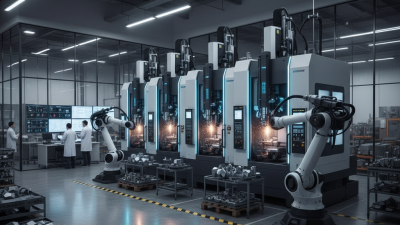
In recent years, aluminum manufacturing has evolved dramatically. New technologies are reshaping the industry, enhancing efficiency and reducing waste. Automation plays a crucial role, streamlining processes and improving precision. Robotics are increasingly utilized for tasks like welding and material handling. This not only boosts productivity but also minimizes human error.
For manufacturers looking to stay competitive, implementing these innovations is key. Transitioning to smarter machinery can seem daunting. However, the benefits, such as increased output and lower operational costs, are significant. Upgrading systems might pose initial challenges, but it often pays off massively in the long run.
Tips:
- Start with small enhancements.
- Monitor the results closely.
- Explore employee training on new technologies too.
These steps can ease the transition and build confidence among your workforce. Emphasizing continuous improvement can make a substantial difference. Adapting to change is hard but necessary. Reflect on past obstacles and learn from them for a competitive edge.