Top Aluminum Machine Types for Efficient Manufacturing and Production?
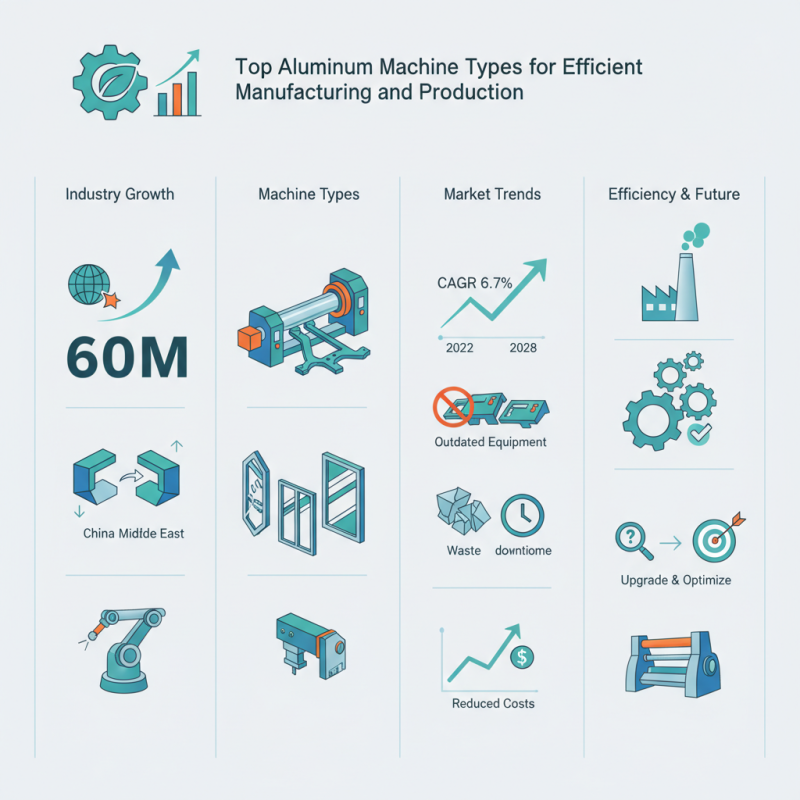
The aluminum industry continues to thrive, driven by increasing demand across various sectors. In 2021, the global aluminum production reached approximately 60 million metric tons, with significant contributions from regions such as China and the Middle East. As manufacturers strive for efficiency, understanding the role of different aluminum machines becomes essential. These machines offer not only precision but also speed in the production process.
Aluminum machines come in various forms, each serving specific functions. For instance, extrusion machines transform aluminum billets into complex shapes, vital for automotive and construction industries. According to a recent industry report, the global machine market is projected to grow at a CAGR of 6.7% from 2022 to 2028. However, not all machines meet the ideal efficiency levels, leading to production discrepancies. Many manufacturers struggle with outdated equipment, resulting in increased waste and downtime.
It is crucial to assess your aluminum machines regularly. Upgrading could lead to enhanced productivity and reduced operational costs. Every manufacturer should consider not just the upfront investment but also long-term benefits. By evaluating the types of aluminum machines available, companies can achieve superior results while adapting to changing market demands.
Overview of Aluminum Machinery in Manufacturing and Production
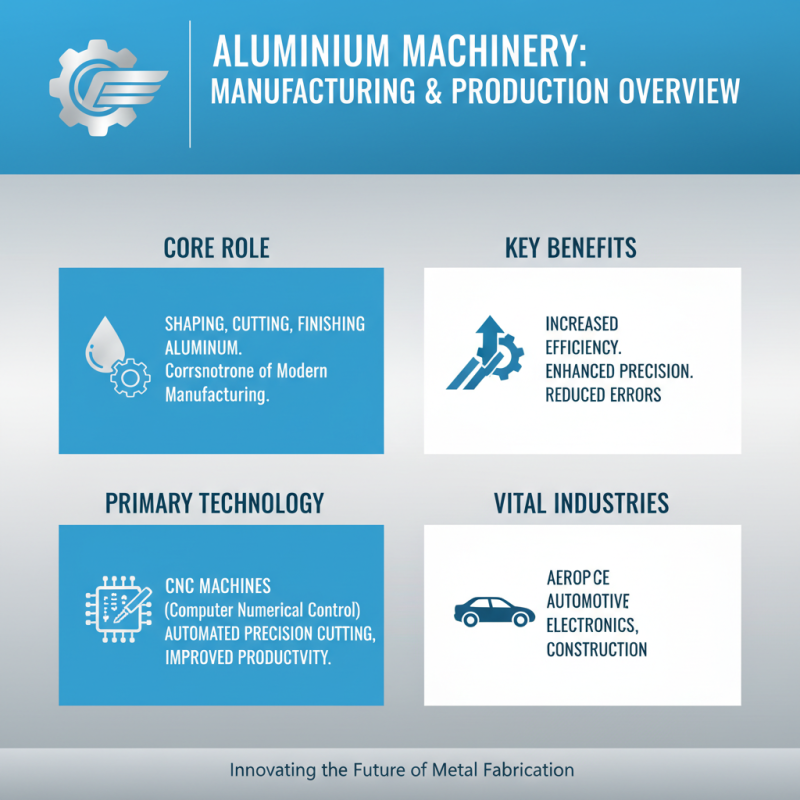
Aluminum machining is a cornerstone of modern manufacturing. Various types of machinery play crucial roles in shaping, cutting, and finishing aluminum. These machines improve efficiency and precision, making them vital in industries like aerospace and automotive. CNC machines, for instance, automate precision cutting. This technology reduces errors and enhances productivity.
Another essential type is the aluminum extruder. This machine shapes aluminum into desired profiles through a die. The process allows for high-volume production with consistent quality. Additionally, machining centers are key players. They can perform multiple operations, such as milling and drilling, in one setup, minimizing downtime.
Yet, challenges persist in aluminum machining. Tool wear can affect precision. Regular maintenance is necessary to uphold reliability. Operators need training to maximize machinery capabilities. Moreover, not all setups are energy-efficient. It's essential to evaluate machinery choices thoughtfully, considering both efficiency and the environmental impact. Continuous improvement and adaptation are crucial in this evolving field.
Key Types of Aluminum Machines and Their Functions
In aluminum manufacturing, understanding the different types of machines is crucial. These machines vary in function and efficiency. For example,
extrusion presses shape aluminum by forcing it through a die. This method allows for complex profiles,
commonly used in building and automotive industries. They require careful calibration and maintenance to ensure optimal performance.
Another key machine is the CNC machining center. These machines enable precision cutting and shaping of aluminum parts. They work well for
custom designs and tight tolerances. Operators must be skilled and attentive to detail. Even small mistakes can lead to
significant waste and inefficiencies. Additionally, rolling mills are essential for producing thin aluminum sheets. These mills require consistent
adjustments to maintain thickness and quality.
Laser cutting machines are increasingly popular in aluminum fabrication. They provide rapid and precise cuts. However, they can be
costly to operate and maintain. It's important for manufacturers to weigh the pros and cons. Each machine has its strengths and limitations. Manufacturers must assess their specific needs
and capabilities. This reflection leads to informed decisions about equipment investments.
Benefits of Using Aluminum Machines in Production Efficiency
Aluminum machines are increasingly crucial in manufacturing. They enhance production efficiency across various sectors. Using aluminum in production helps reduce materials' weight without sacrificing strength. This is vital for industries like automotive and aerospace. According to a report from the Aluminum Association, lightweight aluminum can enhance fuel efficiency by up to 30%.
Efficiency is further boosted by the precision of aluminum machines. They can achieve tight tolerances during the manufacturing process. A study from the International Journal of Advanced Manufacturing Technology found that precise machining reduces waste by an average of 15%. However, adopting these technologies may have initial costs. Companies must assess their return on investment carefully.
Another advantage is the recyclability of aluminum. This sustainability factor has gained importance, especially in eco-conscious markets. Industry data shows that recycled aluminum uses 95% less energy than new aluminum production. Still, challenges remain in recycling processes. Not every facility is equipped for this, and variances in material quality can affect outcomes. Embracing aluminum machines offers promise but requires commitment to refining processes.
Top Aluminum Machine Types for Efficient Manufacturing
This chart illustrates the efficiency gains associated with various types of aluminum machines used in manufacturing processes. The data reflects the average production output (units per hour) for each machine type.
Factors to Consider When Choosing Aluminum Machinery
When choosing aluminum machinery for efficient manufacturing, several critical factors must be considered. The type of materials to be processed plays a crucial role. Different machines excel with various aluminum alloys. Understanding the properties of these materials ensures optimal performance and longevity of the machinery. There is often a trade-off between speed and quality. High-speed machines may compromise on precision, leading to higher waste rates.
Another key factor is energy efficiency. Machinery can consume significant power. Investing in energy-efficient design not only reduces costs but also supports sustainability efforts. Moreover, the machine's adaptability is vital. As production needs evolve, the machinery should accommodate new processes. This flexibility allows companies to remain competitive in changing markets.
The cost of maintenance is another consideration. High-performing machines may require specialized upkeep. Budgeting for both initial purchase and ongoing maintenance is essential. Companies often overlook this long-term perspective. Balancing upfront costs against operational efficiency can be challenging. Ultimately, aligning machinery choices with production goals is imperative for success.
Future Trends in Aluminum Manufacturing Technology
The aluminum manufacturing sector is on the cusp of significant changes. Emerging technologies are reshaping production processes, making them more efficient. For instance, the adoption of automation and smart manufacturing can lead to a productivity boost of 20% to 30%, according to a recent industry report by McKinsey. These advancements come with challenges, as not all businesses can keep pace with rapid technological shifts.
Additive manufacturing, or 3D printing, is becoming a game-changer. It allows for the production of complex aluminum parts with minimal waste. A study from the Aluminum Association highlighted that additive processes can reduce material costs by up to 50%. However, this technology requires skilled operators and can demand higher initial investments, which some manufacturers may find daunting.
Sustainability remains a focal point for future developments. The need for eco-friendly practices is driving innovations in recycling methods. According to the International Aluminium Institute, more than 75% of aluminum produced is still in use today. However, challenges exist in recycling processes efficiency. Companies must reflect on their practices and continually adapt to meet both productivity and environmental goals.