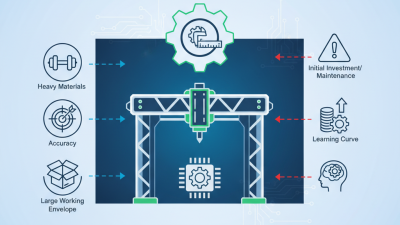
How to Choose the Right Gantry Machining Center for Your Needs?
Choosing the right Gantry Machining Center is crucial for any manufacturing process. According to industry expert John Smith, “Selecting the perfect Gantry Machining Center can streamline your production and enhance precision.” This statement emphasizes the importance of making an informed choice.
The Gantry Machining Center is designed for efficient machining of large parts, offering both speed and accuracy. It is essential to evaluate your specific needs, such as the size and type of materials you'll work with. Different models come with unique features, which can significantly impact your workflow and operational costs.
Moreover, the price of a Gantry Machining Center varies widely. Sometimes, a lower-cost model may lead to unexpected expenses down the road. It's important to weigh the initial investment against long-term benefits. This decision is often not straightforward and requires careful consideration of various factors, including technology and support services. Reflecting on these elements can lead to a more informed and effective choice.
Understanding Gantry Machining Centers and Their Applications
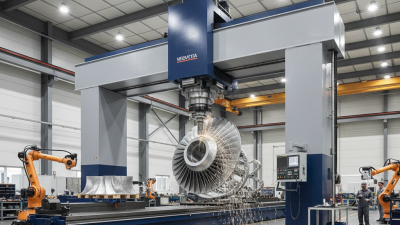
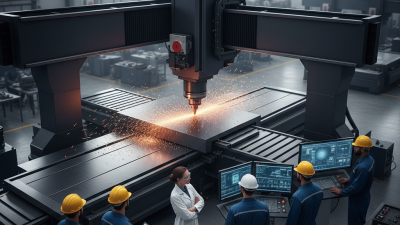
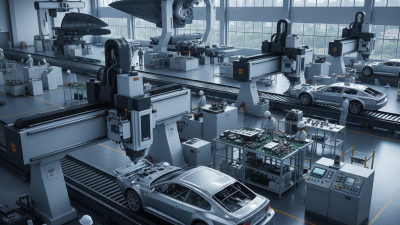
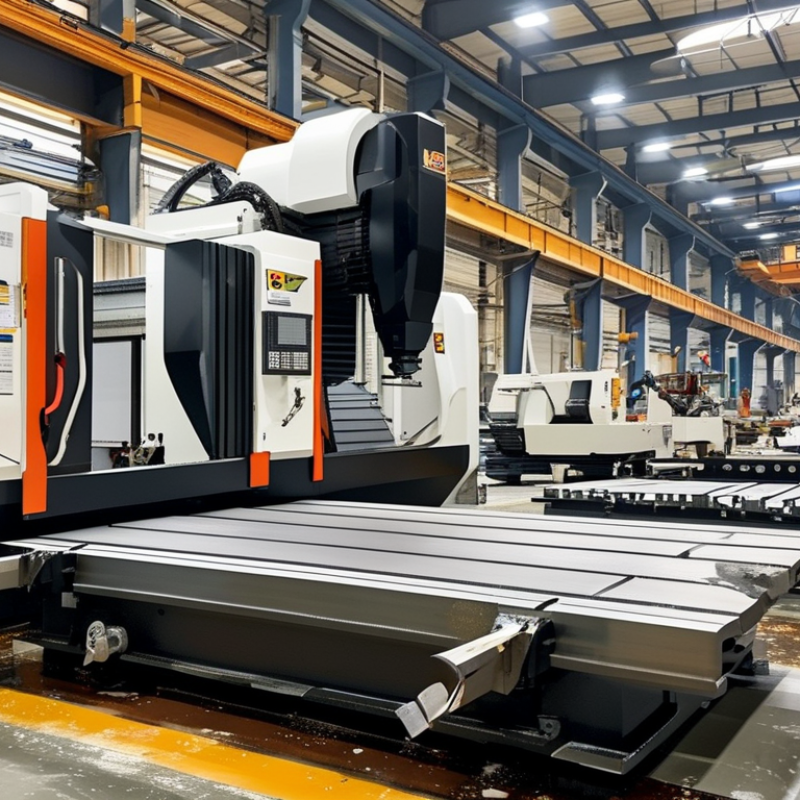
Gantry machining centers are essential in various industries. They excel in large-scale operations. These machines are particularly effective for heavy and oversized workpieces. The design offers stability and precision. Users can achieve remarkable accuracy with the right setup.
When selecting a gantry machining center, consider your specific needs. Think about the size of the parts you will work on. Also, evaluate the materials you will machine. A thorough understanding of your requirements can lead to better decisions. Be aware that some machines may fall short of expectations in particular tasks. Research user experiences to gather insights.
Tips: Balance is crucial. Ensure that the workspace accommodates the gantry design. Assess the machine's weight capacity and rigidity. This can prevent costly mistakes. Another tip is to think about the future. Pick a center that can adapt to different projects or growth. Choosing wisely will save time and resources.
Gantry Machining Center Applications and Usage Data
Key Features to Consider When Selecting a Gantry Machining Center
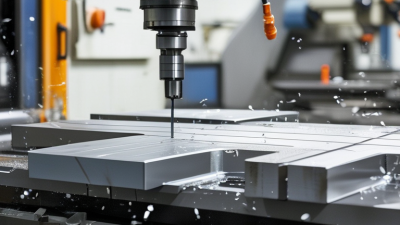
When selecting a gantry machining center, several key features matter greatly. The size of the worktable is essential. It determines the maximum workpiece dimensions you can handle. Consider the travel ranges for the axes as well. Longer travels offer flexibility for various tasks. This aspect often leads to increased productivity.
Pay attention to the machine's rigidity. A more rigid center provides better accuracy and surface finish. Look for a gantry machining center with good thermal stability. Temperature fluctuations can affect machining quality. Evaluate the speed and acceleration specifications as well. Higher speeds can lead to shorter cycle times, but speed alone isn’t enough.
Tips: Always analyze your specific machining needs. Understand the materials you will work with. This insight helps you choose ideal specifications. Additionally, consider future upgrades. You may need more capabilities down the line. So, plan accordingly to avoid costly replacements. Investing time in research leads to better decisions.
How to Choose the Right Gantry Machining Center for Your Needs? - Key Features to Consider When Selecting a Gantry Machining Center
| Feature |
Importance |
Considerations |
Examples |
| Size |
High |
Ensure the machine can accommodate the dimensions of parts you plan to manufacture. |
Large parts for aerospace, automotive, or construction. |
| Accuracy |
Critical |
Look for specifications on tolerance and repeatability. |
Precision machining for mold making. |
| Speed |
Medium |
Evaluate the feed rates and spindle speed capabilities. |
High-speed machining for production runs. |
| Material Compatibility |
High |
Check if the machine can handle specific materials like aluminum, steel, or composites. |
Machining of titanium or other specialized materials. |
| Control System |
Medium |
User-friendly interfaces and compatibility with CAM software. |
Options for conversational programming or G-code. |
| Cost |
High |
Determine your budget and consider long-term ROI. |
Total cost of ownership including maintenance and consumables. |
Evaluating Your Specific Machining Needs and Production Goals
When evaluating your specific machining needs, start by assessing the materials you frequently work with. Whether it's metals, plastics, or composites can greatly influence the type of gantry machining center you should choose. Each material behaves differently under machining conditions, and selecting the wrong machine could lead to wasted resources and time.
Production goals are equally important. Determine your desired throughput and the complexity of your parts. A high-volume production line may require a more robust and automated gantry system. In contrast, if you're focused on custom parts, flexibility and precision may be your priority. Reflecting on past projects can provide valuable insights into these needs; think about what worked well and what didn't.
Consider the workspace too. The physical dimensions of the gantry machine must fit your operational layout. If space is tight, a compact design could be beneficial. However, don't let size alone dictate your choice. An undersized machine might limit future production capabilities. It's essential to weigh all these factors carefully to avoid potential pitfalls in your machining journey.
Factors Influencing Budget and Cost-Effectiveness of Gantry Centers
When considering a gantry machining center, understand the impact of budget and cost-effectiveness. The initial purchase price often grabs attention, but hidden costs can affect long-term value. Maintenance and operational costs are crucial factors. A lower-priced model might require more frequent repairs, raising total expenses over time.
Don't overlook the cost of tooling and accessories, as these can significantly influence the overall budget.
Another significant aspect is energy consumption. Some gantry machining centers are designed for efficiency. They can lower energy bills, balancing higher upfront costs. Evaluating the machine’s operational speed can also provide insights. Faster machining times might justify a steeper investment.
However, it's essential to assess production volume carefully. A high-capacity machine is excellent but may lead to underutilization if demand is low.
Lastly, consider resale value. Some centers depreciate quickly, while others maintain their worth. Market trends may change. It's wise to research and seek expert opinions on projected values. Remember, investing in a gantry machining center is not only about price but the center's ability to meet current and future needs. Balancing all these factors helps make a well-informed decision.
Assessing Footprint and Space Requirements in Your Facility
Choosing the right gantry machining center begins with space assessment. Facilities often have limited space, making footprint considerations crucial. According to industry reports, around 70% of manufacturers underestimate their space needs. Proper evaluation helps prevent future relocation costs and operational disruptions.
A gantry machining center’s dimensions can vary significantly. For instance, some models occupy over 20 square feet. Operators must ensure that not only the machine fits but that there’s also enough room for safe operation and maintenance. Clearance is vital. Insufficient space could lead to accidents or equipment damage.
In addition, noise levels and vibration from machines impact worker comfort. The American National Standards Institute recommends specific thresholds for occupational noise. Ignoring these factors can affect productivity and employee retention. Therefore, a detailed layout plan should be developed before purchasing a gantry machining center. Assessing both the current and future space needs is critical for long-term success.