Why Choose a CNC Gantry for Your Precision Machining Needs?
In the competitive world of precision machining, the choice of equipment plays a critical role. Experts in the field, like Dr. Emily Carter, a leading authority on CNC technology, emphasize the benefits of using a CNC Gantry. She once stated, "CNC Gantries provide unmatched rigidity and precision for the most demanding applications." This is a significant factor for manufacturers aiming for high-quality production.
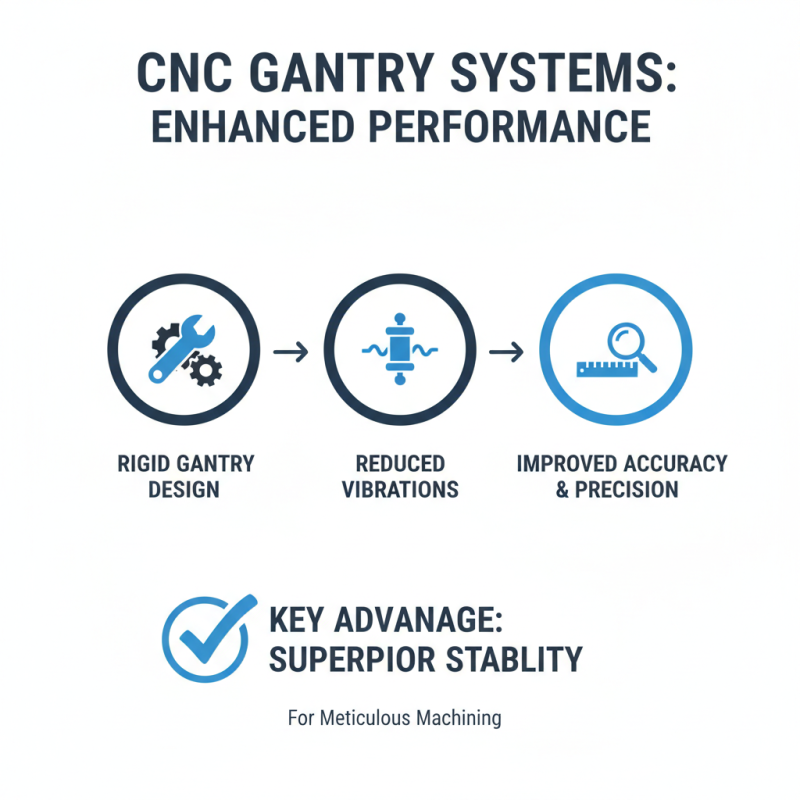
The CNC Gantry systems are designed to handle large workpieces with exceptional accuracy. Their rigid structures minimize vibrations, leading to better finish quality. The flexibility in design allows for various materials to be machined, showcasing versatility that traditional machines may lack.
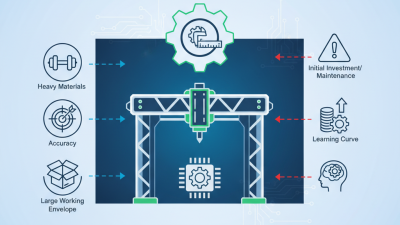
However, companies must consider their specific needs when choosing a CNC Gantry. Not every machining task demands such sophisticated technology. There are limitations to their capabilities in some applications. Overall, investing in a CNC Gantry can bring precision and efficiency, but a thorough evaluation of one’s machining processes is necessary.
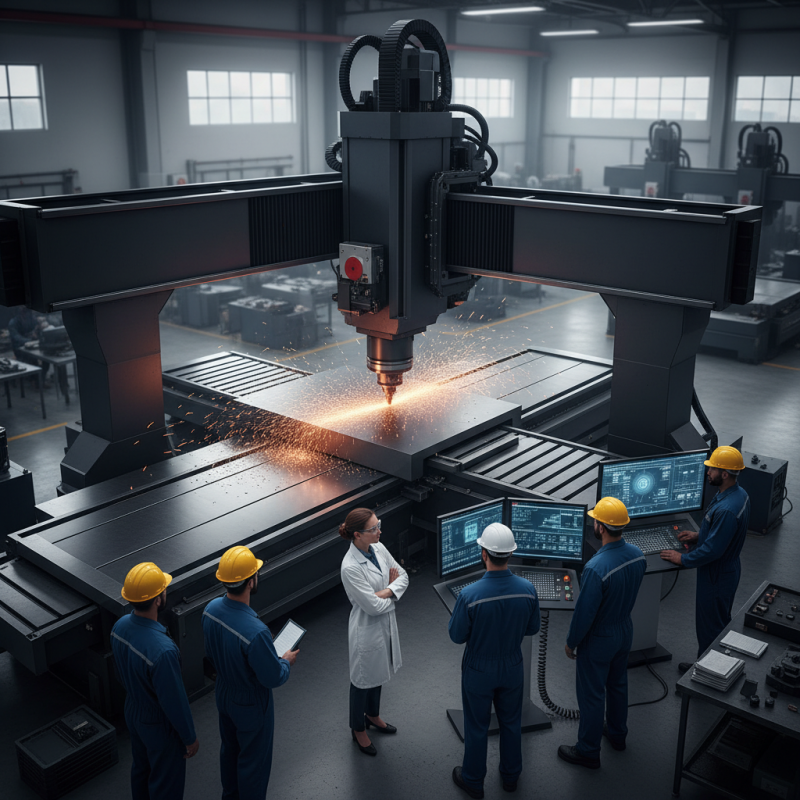
Benefits of CNC Gantry Machines in Precision Machining
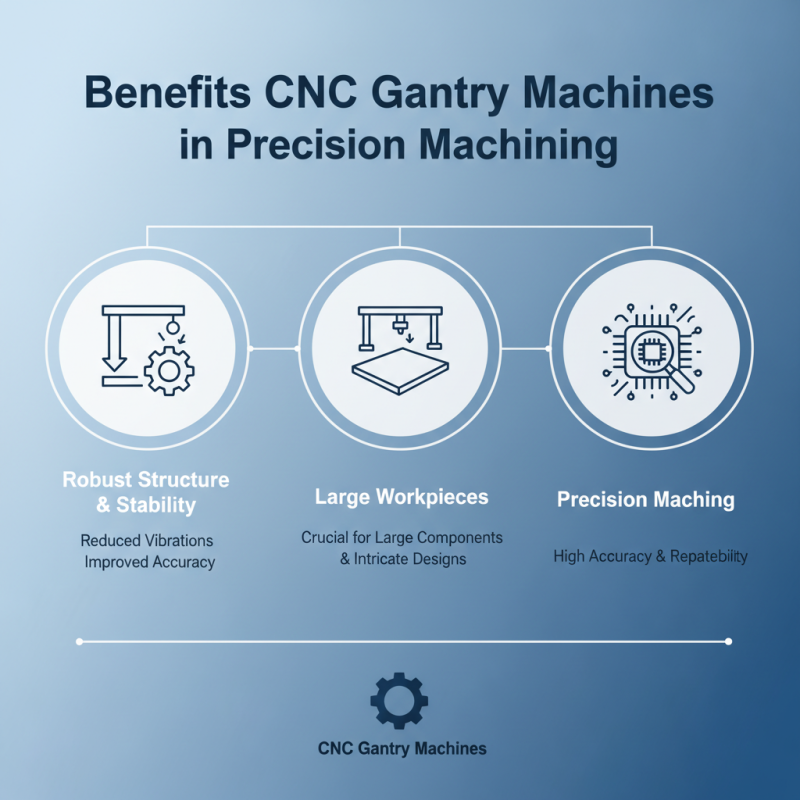
When it comes to precision machining, CNC gantry machines stand out for their unique benefits. These machines provide a robust structure, ensuring stability during operations. This stability reduces vibrations, leading to improved accuracy. Many experts in the field appreciate how gantry machines allow for large workpieces. This is crucial for industries that require big components or intricate designs.
Another advantage lies in the versatility of CNC gantry machines. They can handle various materials, from metals to plastics, making them an asset in diverse applications. Their ability to perform multiple machining operations, like milling and drilling, saves time and boosts productivity. However, transitioning to a CNC gantry system may require a learning curve. Operators need to adapt to new software and technologies. This can initially slow down production.
Moreover, maintenance is essential. Regular checks help ensure the machine's performance remains high. Operators must be trained and aware of potential issues. This investment in training can lead to long-term gains in efficiency and quality. Ultimately, the precision and reliability of CNC gantry machines highlight their role in modern machining processes.
Key Features of CNC Gantry Systems for Enhanced Performance
CNC gantry systems are increasingly favored for precision machining, thanks to their critical features. One major advantage is their stability. The gantry design reduces vibrations during operation. This stability leads to improved accuracy, which is crucial for tasks that require meticulous measurements.
Another key feature is the versatility of CNC gantry systems. They can handle various materials, including metals, plastics, and composites. This adaptability is vital for businesses that work with different projects simultaneously. Moreover, some gantry systems offer a dual drive, enhancing the cutting speed and efficiency. However, not all gantry machines are created equal. Users need to be wary of their operational limits, as exceeding them may lead to inaccuracies.
CNC gantry systems often come with advanced control software. This software allows for high levels of automation and customization. Yet, it's imperative to ensure that staff are adequately trained to leverage these technological advances. Poor training could limit the potential of these systems. Ultimately, while CNC gantries provide numerous benefits, each system's effectiveness heavily relies on the user's understanding of its capabilities and constraints.
Applications of CNC Gantry Machines in Various Industries
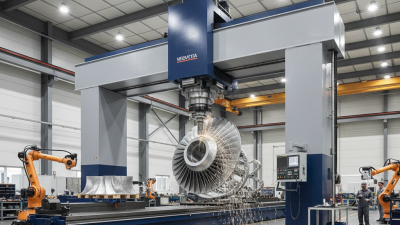
CNC gantry machines have become invaluable across various industries. In the aerospace sector, they shape large aluminum parts with meticulous precision. The ability to handle massive workpieces is crucial. These machines minimize errors in complex designs. Such accuracy supports safety and performance in aviation.
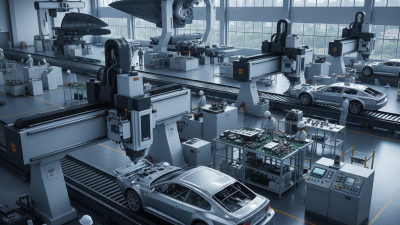
In automotive manufacturing, CNC gantry systems enhance efficiency. They are used for milling, drilling, and cutting components. The automation reduces labor costs while increasing production speed. However, operators must be highly trained to handle this advanced technology. There's a learning curve involved that cannot be overlooked.
The construction industry relies on gantry machines for steel fabrication. They create parts essential for infrastructure projects. Yet, integrating these machines into existing workflows can present challenges. It's vital to assess the layout and existing equipment. Ultimately, CNC gantry machines offer versatility and precision, but they require thoughtful implementation to maximize benefits.
Comparing CNC Gantry Machines with Traditional Machining Methods
CNC gantry machines represent a significant evolution in precision machining. These systems utilize a movable gantry design to support the cutting tool. Compared to traditional machining methods, CNC gantry machines can enhance accuracy and efficiency. They excel in handling large materials, making them ideal for industries like aerospace and automotive.
One industry report indicates that CNC gantry machines can achieve tolerances as tight as ±0.005 mm. In contrast, traditional machining methods often struggle to maintain ±0.01 mm at best. This precision allows for the creation of intricate parts that meet or exceed quality standards. Additionally, CNC gantry systems operate at higher speeds, reducing production time significantly.
However, transitioning from traditional methods may present challenges. Operators may require additional training to optimize gantry machine capabilities. Moreover, initial investment costs can be higher than traditional setups. Companies should weigh these factors against the long-term benefits, including reduced waste and increased production capacity. Accurate assessments can guide this shift, ensuring that the advantages of CNC gantry machines are fully realized.
Comparison of CNC Gantry Machines vs. Traditional Machining Methods
Factors to Consider When Selecting a CNC Gantry Machine
When selecting a CNC gantry machine, several factors come into play. The size of your workspace is crucial. Ensure the gantry fits well in your shop. Measure carefully; a machine that is too large can cause chaos. Precision is vital in machining. Look for machines with tight tolerances. This will save time and improve product quality.
Tips: Always check the machine's specifications. Understand its capabilities before purchasing. Research the material support it provides. Some machines have limitations that can hinder your projects.
Functionality is another key aspect. Ensure the machine can perform the tasks you need. Consider the types of materials you'll work with. A versatile machine can adapt to different projects. Don't overlook the software compatibility. Without good software, even the best machines can underperform.
Tips: Choose machines with user-friendly interfaces. This can ease the learning curve. Look for models that offer regular software updates. Consistent improvements are essential in this fast-evolving sector.