Why Choose a CNC Gantry for Your Precision Machining Needs?
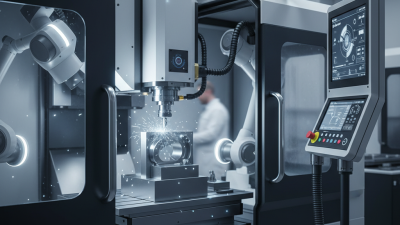
Choosing the right equipment for precision machining is crucial. The CNC Gantry is an excellent option for many reasons. According to Dr. Emily Carter, a leading expert in CNC technologies, “CNC Gantry systems provide unmatched precision in large-scale machining.” This statement resonates with many in the industry.
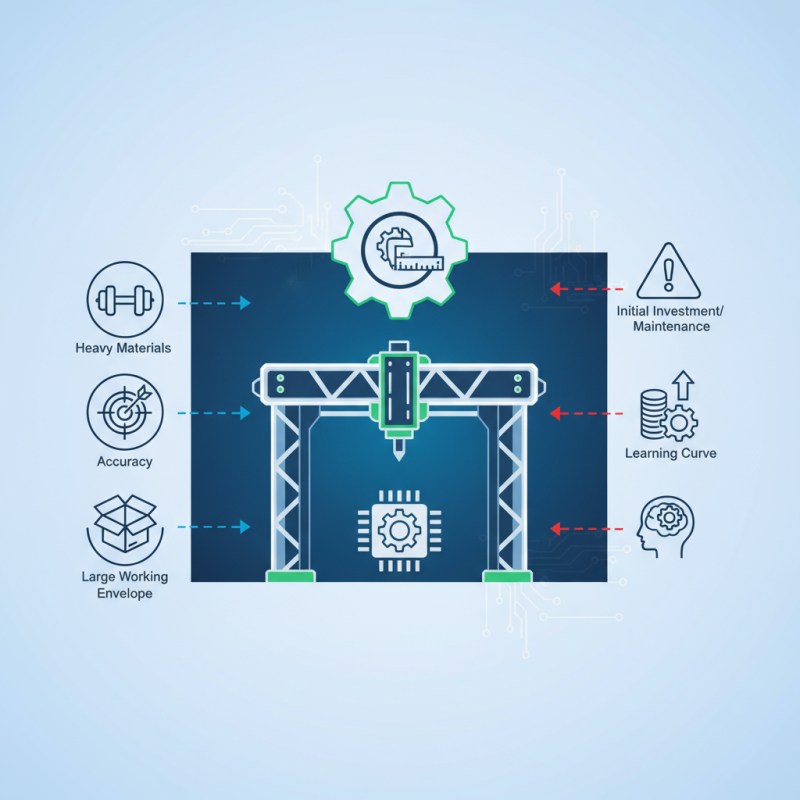
CNC Gantries offer several advantages. They can handle heavy materials with ease, ensuring stability during operations. Their design allows for excellent accuracy and repeatability, key factors in precision machining. The large working envelope is beneficial for complex projects. However, it’s essential to consider the initial investment and maintenance costs.
Furthermore, the learning curve associated with CNC Gantry systems can be steep. Operators must be trained adequately to leverage the full potential of these machines. Despite these challenges, the benefits often outweigh the drawbacks for serious manufacturers. In the end, the choice of CNC Gantry could redefine precision in machining.
Advantages of CNC Gantry Machines in Precision Machining Applications
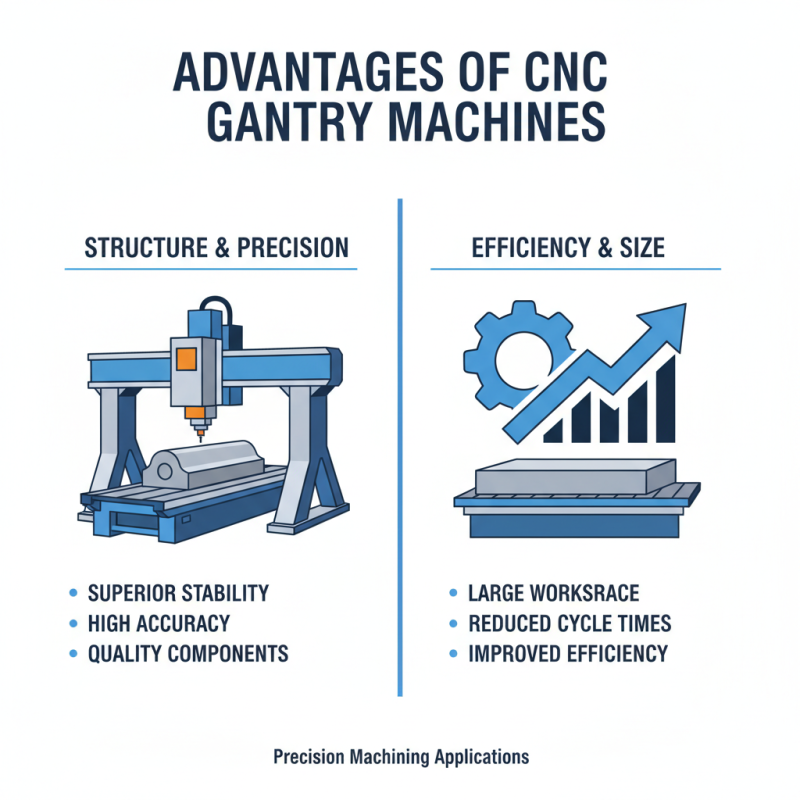
CNC gantry machines have become a preferred choice in precision machining applications. Their unique structure offers stability and precision, key factors in producing high-quality components. The design allows for a large workspace, capable of accommodating bigger workpieces without sacrificing accuracy. This results in reduced cycle times and improved efficiency.
One notable advantage is their versatility. CNC gantry machines can handle various materials, from metals to plastics. This flexibility makes them suitable for numerous industries, such as aerospace and automotive. However, maintaining the balance of speed and precision can be challenging. Operators must continuously adjust settings to achieve the desired results, which requires experience and expertise.
Another benefit lies in the ease of automation. Many CNC gantry systems are compatible with advanced software, enhancing productivity. Yet, the transition to fully automated systems can present hurdles. Companies may face initial costs and a steep learning curve. Commitment to training is necessary to fully exploit the machine’s capabilities and ensure reliable operation.
Key Features of CNC Gantry Systems for Enhanced Accuracy and Efficiency
CNC gantry systems are revolutionizing precision machining. These systems employ a bridge-like structure that enhances stability during operations. This stability significantly minimizes vibrations, a well-known factor affecting accuracy. According to a report by the International Journal of Advanced Manufacturing Technology, CNC gantry machines can achieve accuracy levels of ±0.01 mm, surpassing traditional CNC milling machines.
Key features such as large work envelopes and multi-axis capabilities make CNC gantry systems highly versatile. This versatility is essential for complex machining tasks like large aerospace components. The enhanced rigidity of gantry designs allows for the use of heavier cutting tools at faster speeds. Data from the Manufacturing Institute reveals that adopting CNC gantry systems can lead to a 30% increase in machining efficiency for large parts.
Despite these advantages, not all applications are suitable for gantry machines. Their size can limit shop floor space. Moreover, initial setup costs can be higher than traditional machines. Organizations must evaluate these factors against their machining needs. Balancing cost, space, and precision is crucial. Each machining project requires careful consideration to maximize the benefits of CNC gantry technology.
Industry Statistics: Cost Savings Through CNC Gantry Automation
CNC gantries have transformed the landscape of precision machining. Industry statistics reveal that businesses investing in CNC gantry automation see significant cost savings. These savings stem from enhanced efficiency and reduced labor costs. Automated systems require fewer human interventions, leading to consistent output quality.
Data shows that firms employing CNC gantries experience a notable decrease in production downtime. These systems operate continuously and are less prone to errors compared to manual setups. However, initial setup costs for CNC gantries can be steep. Companies should weigh these upfront expenses against long-term financial benefits.
Moreover, while automation boosts productivity, it can also highlight areas for workforce retraining. Many employees may feel apprehensive about technology replacing their roles. Companies must navigate this transition thoughtfully. Engagement with staff ensures they understand their new roles alongside automation. Thus, the journey to automation is not just about technology; it's about people as well.
Comparative Analysis: CNC Gantry vs. Traditional Machining Methods
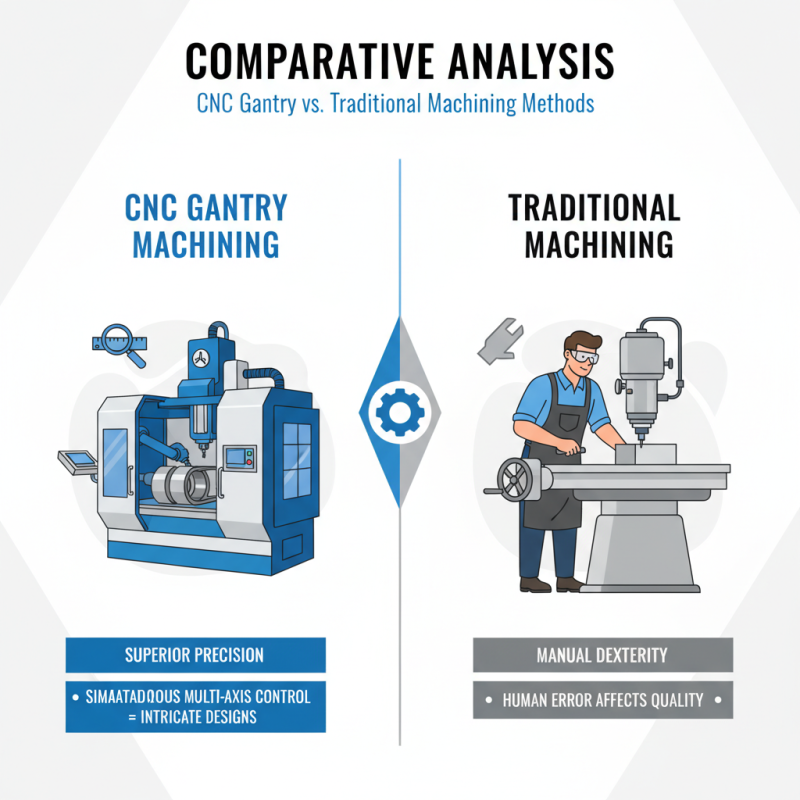
When comparing CNC gantry machining with traditional methods, several key differences emerge. CNC gantry systems provide superior precision. These machines can control multiple axes simultaneously, leading to intricate designs that traditional machining struggles to replicate. Traditional methods often depend on manual dexterity. This can introduce human error, affecting overall quality.
Another aspect worth noting is production speed. CNC gantry machines can operate continuously, drastically reducing turnaround times. In contrast, traditional machining is more time-consuming. Often, it requires frequent setup changes and manual adjustments, leading to delays. Instead of focusing solely on labor-intensive processes, consider the efficiency that CNC gantries offer.
Tips for selecting a machining method include assessing your project requirements. Determine the complexity of your design. Reflect on your volume needs too. If speed and accuracy are your priority, CNC gantry may serve you best. Evaluate costs and potential return on investment as well. Balancing speed, precision, and budget will yield the best results for your machining needs.
Real-World Applications: CNC Gantry Machines in Diverse Industries
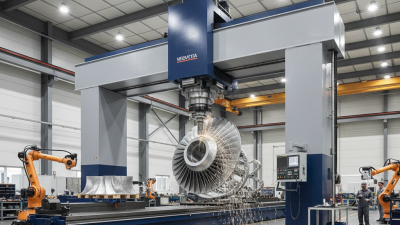
CNC gantry machines play a crucial role in diverse industries by offering precision and versatility. In aerospace, they facilitate the manufacturing of intricate components. These machines can handle large materials with exceptional accuracy, making them ideal for aircraft parts.
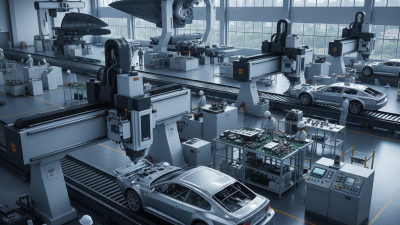
In the automotive sector, CNC gantries are vital for creating complex geometries. They allow for high-speed machining of aluminum and composite materials. This capability directly impacts production efficiency and accuracy, ensuring vehicles meet safety standards.
While these machines are impressive, challenges remain. Operators must be well-trained to maximize their potential. Maintenance is critical to prevent breakdowns. Regular checks are necessary, yet not always prioritized. This oversight can lead to costly downtime and reduced output. It is essential for businesses to strike a balance between machine capabilities and operator training.
Why Choose a CNC Gantry for Your Precision Machining Needs?
| Industry |
Application |
Benefits of CNC Gantry |
Material Types |
| Aerospace |
Machining of large composite parts |
High precision with large workpieces |
Carbon fiber, Aluminum |
| Automotive |
Production of custom chassis |
Enhanced production speed and accuracy |
Steel, Plastics |
| Construction |
Fabrication of structural components |
Ability to handle large and heavy materials |
Steel, Concrete |
| Shipbuilding |
Machining large hull sections |
Versatility in large scale operations |
Aluminum, Steel |
| Electronics |
Manufacture of circuit boards |
Precision and repeatability |
Copper, Various plastics |