2026 Top Trends in Gantry Machining Center Technology?
In the evolving landscape of manufacturing, 2026 promises to be a pivotal year for the Gantry Machining Center industry. Experts expect significant advancements driven by technology and market demands. One notable voice in this field, Dr. Emily Carter, a leading figure in manufacturing technology, asserts, “The future of Gantry Machining Centers lies in integration and automation.”
These machines, known for their stability and precision, are essential in various sectors. Their design allows for large workpieces to be machined efficiently. However, challenges remain. Many manufacturers grapple with the balance between cost and technological investment. Additionally, the complexity of automation can be daunting. It's a dilemma that requires ongoing reflection and adaptation.
As we look to the future, industry leaders will need to navigate these challenges. The need for innovation in Gantry Machining Centers is clear. Yet, the path forward is not without hurdles. Stakeholders must collaborate to address issues like skill gaps and equipment reliability. The conversation surrounding these trends is just beginning, highlighting the importance of foresight in a transformative industry.
Emerging Technologies in Gantry Machining Centers for 2026
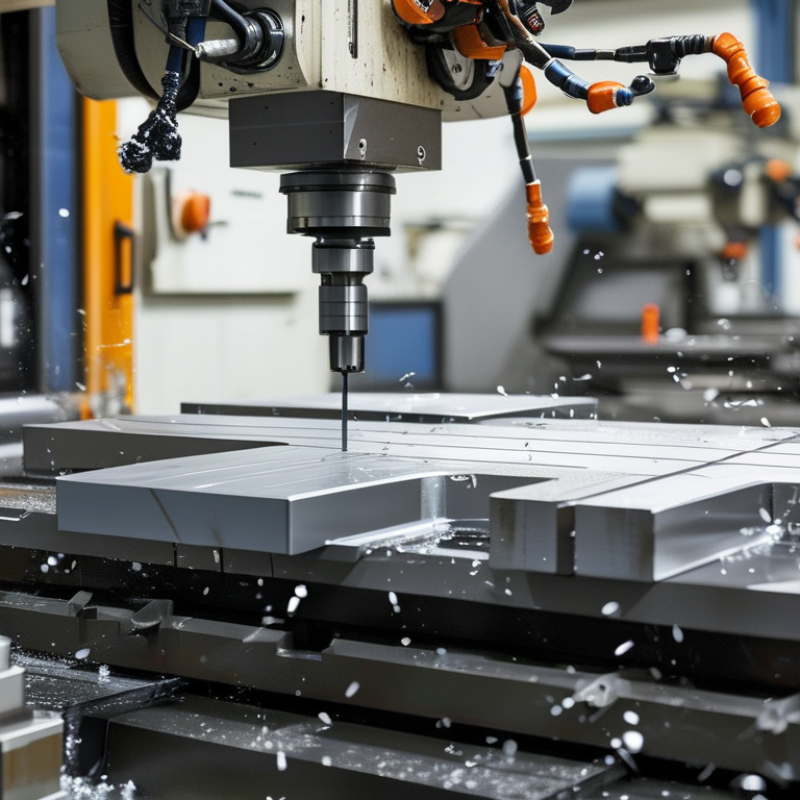
As companies seek greater efficiency, gantry machining centers are evolving. The increasing demand for precision and speed drives technological advancements. Data from the International Federation of Robotics indicates that the global market for machining centers is expected to grow by 8% annually until 2026. This growth stems from the rising adoption of automation and digital solutions in manufacturing processes.
Emerging technologies are making significant impacts. Additive manufacturing integration allows for complex geometries that traditional machining cannot achieve. Reports suggest that 40% of manufacturers are exploring these integrations to enhance production capabilities. Moreover, advancements in AI and machine learning are optimizing machining parameters, resulting in improved accuracy and reduced downtime. These trends show how the industry is gradually moving towards smart manufacturing.
However, challenges persist. The initial investment for these advanced technologies can be high, and not all companies can afford them. Furthermore, transitioning to automated systems requires skilled personnel, which may not be readily available. Therefore, businesses must balance these emerging technologies with practical considerations. The path ahead is filled with potential but requires careful navigation.
Advancements in Automation and Robotics in Gantry Machining
The advancements in automation and robotics within gantry machining centers are reshaping the landscape of manufacturing. In 2026, the industry is projected to grow at a compound annual growth rate (CAGR) of about 8.5%. This growth is driven significantly by the increasing demand for high-precision machining. Manufacturers are turning to automated solutions to enhance productivity and accuracy.
Robotic technology is being integrated to facilitate tasks that were once manual. For instance, automated gantry systems can now handle heavy components with unparalleled precision. Reports indicate that up to 75% of machining tasks can be automated, reducing human error and increasing efficiency. However, challenges remain. The initial investment for these technologies can be significant, often making smaller manufacturers hesitant.
Despite the hurdles, continuous improvements in AI and machine learning are paving the way for more intelligent machining solutions. These systems analyze real-time data to optimize workflows and perform predictive maintenance. As the industry evolves, the necessity for skilled technicians remains a concern. Upskilling the workforce is critical, yet many businesses struggle to keep pace with technological advancements. The gap in expertise could slow down the overall adoption of these innovative systems.
Integration of IoT and Smart Manufacturing in Machining Centers
The integration of IoT and smart manufacturing in machining centers represents a significant evolution in the industry. IoT-enabled machining centers collect real-time data, optimizing performance and enhancing efficiency. Sensors embedded in the machines monitor various parameters, such as temperature, vibration, and load. This data can predict maintenance needs, reducing downtime and improving productivity.
However, this integration is not without challenges. The complexity of IoT systems can lead to implementation issues. Manufacturers must ensure seamless communication between machines and networks. Cybersecurity also poses a concern; safeguarding sensitive data becomes critical as systems become interconnected. Overcoming these hurdles requires ongoing training and adaptation from the workforce.
As manufacturers embrace smart technologies, they must remain vigilant. Continuous monitoring and adjustment are key to truly unlocking potential. Balancing innovation with practical application will shape the future of gantry machining centers, making IoT integration a double-edged sword. The industry must navigate this landscape carefully, reflecting on both the benefits and limitations of these advancements.
Sustainability Trends in Gantry Machining Technology
As industries worldwide focus on sustainability, gantry machining centers are evolving. The shift toward greener manufacturing processes is essential. According to a recent report by the International Energy Agency, energy efficiency improvements could reduce energy consumption in machining processes by up to 25% by 2030. This statistic highlights the pressing need for manufacturers to adopt sustainable practices in their operations.
Gantry machining technology stands out for its potential in reducing waste. Innovations like adaptive machining can minimize material use and enhance precision. Reports indicate that implementing such technologies can lead to a 30% reduction in scrap materials. However, challenges remain. Many manufacturers grapple with high initial investment costs for green technologies. These costs can deter some from making the switch, even with long-term savings in mind.
Embracing renewable energy sources presents another opportunity. Data from a 2023 market survey showed that 40% of machining companies plan to integrate solar energy by 2025. Yet, only 15% have taken actionable steps thus far. This gap highlights the need for education on sustainable practices. Many companies still lack the expertise to effectively implement these changes. Overcoming these hurdles is crucial for the industry's green future.
2026 Top Trends in Gantry Machining Center Technology - Sustainability Trends in Gantry Machining Technology
| Trend Category |
Description |
Impact on Sustainability |
Expected Adoption Rate by 2026 |
| Energy Efficiency Enhancements |
Improvements in energy usage and reduction of carbon footprint |
Significantly reduces operational costs and emissions |
70% |
| Recyclable Materials |
Incorporation of recyclable materials in machinery |
Promotes circular economy and waste reduction |
65% |
| Smart Manufacturing Integration |
Integration of IoT and AI for real-time monitoring |
Enhances resource efficiency and minimizes waste |
80% |
| Reduced Operational Waste |
Techniques to minimize scrap and offcuts during machining |
Decreases material waste and increases yield |
75% |
| Water Conservation Practices |
Methods to reduce water usage in cooling and cleaning |
Saves water resources and lowers costs |
60% |
Future Market Trends and User Demands for Gantry Machining Centers
The future of gantry machining centers is shaped by evolving market trends and user demands. Industries are increasingly focusing on automation. This allows for greater precision and efficiency. Users are looking for technology that reduces human error. Advanced algorithms can guide machining processes, leading to higher quality outputs.
With sustainability becoming paramount, manufacturers are responding. Eco-friendly materials and energy-efficient designs are now priorities. Users are demanding machines that consume less power without sacrificing performance. This shift is not just a trend; it’s a necessity for many businesses.
Customization options are also on the rise. One-size-fits-all solutions no longer meet user needs. Companies seek machines tailored to specific applications. Flexibility in design can lead to increased productivity. However, there’s a challenge in balancing custom features with cost. This is an area many manufacturers will need to reflect upon. As the market evolves, ensuring reliability while embracing innovation remains crucial.