2026 Best Aluminum Machine Innovations and Trends to Watch?
As we approach 2026, the Aluminum Machine industry stands on the brink of transformation. Industry expert Dr. Emily Carter states, "Innovation in aluminum machinery will define efficiency and sustainability in manufacturing." Her insights highlight the growing importance of advancements in this sector.
Recent innovations in Aluminum Machine technology promise to enhance productivity. Automated systems, improved designs, and eco-friendly materials are emerging trends. These advancements will reshape manufacturing landscapes, offering businesses new opportunities.
However, challenges persist. Many companies struggle to adapt to rapid changes. Investment costs and workforce training are significant hurdles. Experts emphasize that embracing these innovations is essential for staying competitive in 2026 and beyond. The Aluminum Machine industry must navigate these complexities thoughtfully to thrive.
Innovative Aluminum Machining Techniques Emerging in 2026
Aluminum machining is evolving rapidly in 2026. Innovative techniques are reshaping how industries utilize aluminum. One such trend is the use of hybrid machining. This combines traditional cutting methods with advanced technologies, like laser and water jet cutting. By merging these methods, manufacturers can achieve greater precision and reduce waste.
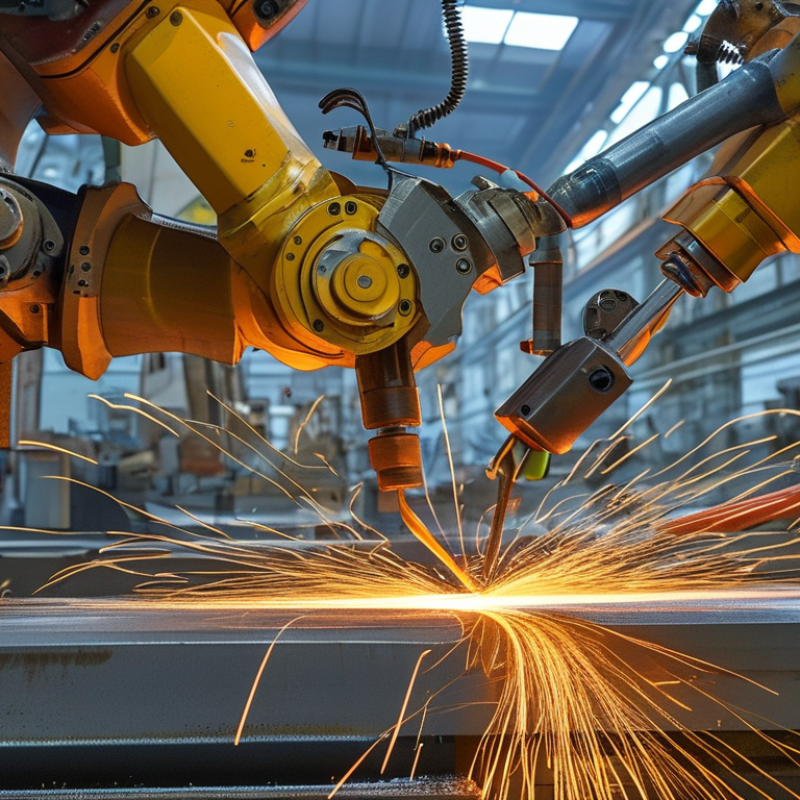
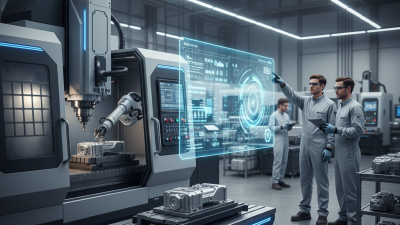
Another emerging technique is robotic automation in machining setups. Robots are being programmed to handle complex tasks. This not only increases efficiency but also ensures consistent quality. However, reliance on automation calls for skilled operators to oversee these processes. There is a delicate balance between efficiency and the need for human expertise.
Additive manufacturing is also gaining traction in the realm of aluminum. This involves creating components layer by layer. It allows for lightweight designs and intricate shapes. Yet, challenges remain. The integration of additive methods into existing workflows can be difficult. Shops need to adapt and invest in training for staff. The path forward may require adjustments to maintain competitiveness.
Sustainable Practices Shaping the Aluminum Machining Industry
Sustainability is becoming a crucial focus in the aluminum machining industry. Many manufacturers are adopting eco-friendly practices. These changes aim to reduce waste and conserve energy. For instance, advanced recycling techniques are gaining traction. They allow for more efficient use of aluminum scrap, minimizing environmental impact. Redesigning processes to use less energy is equally important. Machines that consume less power can significantly lower overall emissions.
The shift towards sustainability is not without challenges. Companies must invest in new technologies, which can be costly. Not all manufacturers can afford such investments. Additionally, there is a learning curve. Training staff on new systems can slow down production initially. However, despite these hurdles, the long-term benefits are undeniable. Customers increasingly prefer sustainable products.
In addition to energy efficiency, innovative materials and processes are emerging. Companies are exploring biodegradable lubricants and eco-friendly coatings. These alternatives may not yet be perfect, but they show promise. The industry faces a balancing act: meeting immediate production needs while striving for sustainable solutions. Continuous improvement and commitment to eco-friendly practices can lead to a more resilient future in aluminum machining.
Advancements in CNC Technology for Aluminum Fabrication
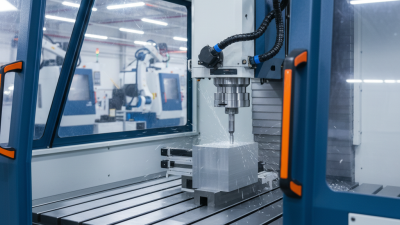
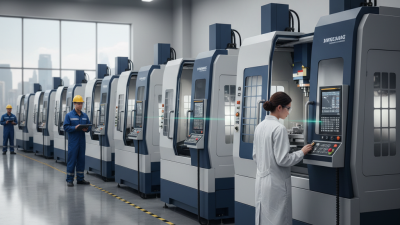
The CNC (Computer Numerical Control) technology landscape is rapidly evolving, particularly in aluminum fabrication. This innovation is reshaping how manufacturers approach production. Advanced CNC machines are now equipped with smarter software and better sensors. These upgrades enhance precision and efficiency during the cutting and shaping of aluminum.
A notable trend is the integration of artificial intelligence. AI systems assist in optimizing machining processes. They analyze data in real-time, leading to improved resource allocation. However, the implementation of AI also presents challenges. Manufacturers must grapple with training their workforce to adapt to these sophisticated systems.
Another interesting development is the increased focus on sustainability. New CNC technologies now allow for less material waste and energy-efficient operations. Yet, the transition to greener practices is not without its hurdles. Many shops still rely on outdated machinery. This lag can hinder overall progress. Balancing innovation with practical constraints is a constant challenge in the industry.
Trends in Lightweight Aluminum Alloys for Enhanced Performance
The demand for lightweight aluminum alloys is on the rise across various industries. These materials offer enhanced performance by improving energy efficiency and reducing overall weight. Reports estimate that the lightweight aluminum market will reach USD 23.4 billion by 2026, growing at a CAGR of 8.5% from 2021. This trend reflects a global push toward more sustainable manufacturing practices.
Aluminum alloys, such as 6000 and 7000 series, are gaining traction. These alloys strike a balance between strength and weight. They possess better corrosion resistance and can be used in extreme environments. This versatility enhances their appeal in sectors like aerospace, automotive, and construction. However, the cost of these advanced alloys can be a barrier for some applications. Companies need to weigh the long-term benefits against initial investments.
Tip: When choosing an alloy, consider not only its strength but also its recyclability. Ensuring that your materials are renewable can lead to future cost savings and a smaller carbon footprint. Balancing performance with environmental responsibility is crucial.
As trends evolve, companies must stay adaptable. Innovations in processing techniques can optimize the performance of aluminum alloys. Look into forging and casting methods that enhance material properties. Continuous improvement in these areas will ensure that aluminum remains competitive in a rapidly changing landscape.
Impact of Industry 4.0 on Aluminum Machine Innovations
The impact of Industry 4.0 on aluminum machine innovations is significant and transformative. As automation, data exchange, and advanced manufacturing technologies rise, they reshape the aluminum sector. Reports indicate that by 2025, the global market for aluminum processing machines could be worth over $10 billion. This growth is driven by smart manufacturing techniques integrating IoT solutions and AI.
Adopting Industry 4.0 technologies enhances efficiency and product quality. Real-time data analytics allows manufacturers to identify inefficiencies quickly. For example, predictive maintenance reduces machine downtime by up to 25%. However, transitioning to these advanced systems is not always smooth. Many companies struggle with integrating legacy systems and training workers.
Tips for companies: Embrace a gradual approach to new technologies. Train employees continuously to ensure they stay updated. Additionally, start with pilot projects to evaluate the effectiveness of innovations before full-scale implementation. Recognizing potential pitfalls is crucial for success in this evolving landscape. Keeping an eye on investments in R&D can also help companies stay ahead.