Top Vertical Machine Innovations Transforming Industry Today?
In the evolving landscape of manufacturing, vertical machines are making a profound impact. Experts like Dr. Emily Chen, a leader in industrial technology, emphasize their importance. She states, "Vertical machines bring efficiency and precision to an industry seeking innovation."
These machines streamline operations and enhance productivity. They offer unique solutions tailored to specific tasks. With automation rising, vertical machines shape the future of manufacturing. Complex processes become simpler through effective design. Yet, organizations must adapt to evolving technology. Embracing change can be challenging.
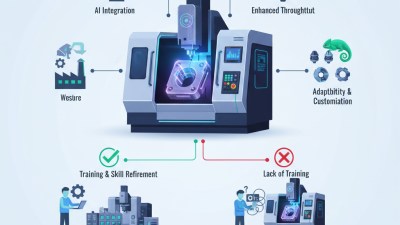
Curiosity and adaptability are key in the vertical machine sector. Some companies struggle with integration, facing gaps in skill sets. This transition demands ongoing training. As vertical machines evolve, so must the workforce. The journey is not without its hurdles. However, the rewards of embracing these innovations are significant. The potential for improved efficiency and reduced waste is transformative.
Key Features of Vertical Machines Revolutionizing Manufacturing
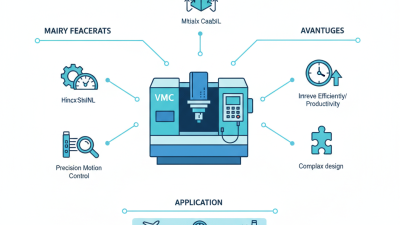
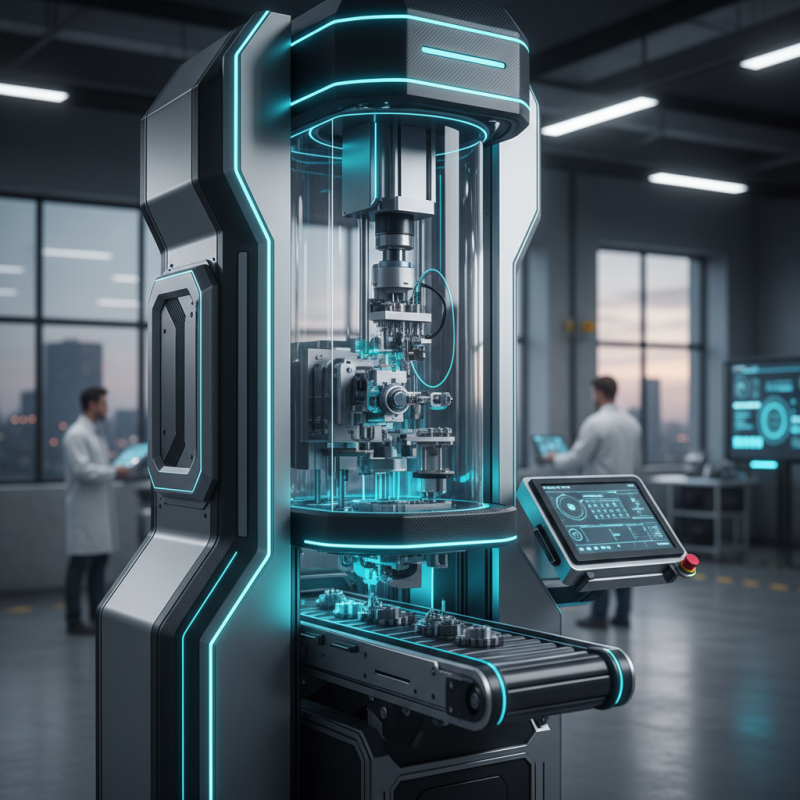
Vertical machines are driving innovations in the manufacturing sector. Key features include automation capabilities that enhance precision. These machines utilize advanced sensors to improve quality control. Real-time data collection allows for immediate adjustments in production.
Another significant aspect is modular design. This flexibility enables easy upgrades and adaptations to changing production needs. Manufacturers can customize setups without extensive downtime. Moreover, energy efficiency is becoming a standard. Machines that consume less energy lower operational costs and reduce environmental impact.
However, the implementation of vertical machines is not without challenges. The initial investment can be substantial. Operators may require specialized training to handle complex systems. Not every facility is ready for such technological shifts. Companies must weigh the benefits carefully against potential setbacks.
Top Vertical Machine Innovations Transforming Industry Today
| Innovation |
Key Feature |
Impact on Manufacturing |
Industry Application |
| Multi-Axis Machining Centers |
Enhanced flexibility and precision |
Reduces setup time and improves accuracy |
Aerospace, Automotive |
| Vertical CNC Machines |
Computerized control for automation |
Increases production efficiency |
General Manufacturing |
| Robotic Vertical Machining |
Integration of robotics for task automation |
Minimizes human error |
Electronics, Medical Devices |
| Hybrid Additive Manufacturing |
Combination of 3D printing and machining |
Enables complex geometries and reduces waste |
Tooling, Aerospace |
| Smart Monitoring Systems |
Real-time data analysis for machine performance |
Improves predictive maintenance |
Manufacturing, Energy |
Emerging Technologies Driving Innovations in Vertical Machinery
Emerging technologies are reshaping vertical machinery, driving unprecedented innovations across various industries. According to a recent report by McKinsey, up to 70% of companies plan to adopt advanced automation in the next five years. This shift reveals a significant transition in how businesses operate.
Smart sensors and IoT solutions enhance machine performance and improve maintenance schedules, reducing downtime by nearly 30%.
AI-driven analytics is a game changer. With access to real-time data, machinery can adapt to production needs quickly. A study from Gartner indicates that 56% of manufacturers are investing heavily in AI technologies to boost operational efficiency. Yet, there are challenges.
Integration costs can be prohibitive for many small businesses, limiting their ability to keep pace with larger competitors.
Sustainability also plays a key role in these innovations. New vertical machines are designed to be energy-efficient, reducing operational costs and environmental impact. However, firms must carefully evaluate the long-term benefits versus the high initial investments in new technologies. Industry leaders must navigate these complexities to remain competitive in a rapidly evolving landscape.
Applications of Vertical Machines in Various Industries Today
Vertical machines are making significant strides across multiple industries. The manufacturing sector has seen a 15% increase in productivity due to these innovations. This can be attributed to their ability to perform precise tasks with minimal waste. For example, vertical milling machines are enhancing accuracy in producing complex parts. They enable manufacturers to meet tight tolerances, which is critical in aerospace and automotive applications.
In the healthcare industry, vertical machines are revolutionizing medical device production. They help create implants and surgical instruments with exceptional precision. A report indicates that the demand for vertical machining in medical manufacturing is expected to grow by 12% annually. This is largely driven by the increasing need for customized, patient-specific solutions. However, challenges remain, such as the high initial investment costs. Many facilities struggle to justify these expenses, particularly smaller operations.
The food processing industry is also leveraging vertical machines for improved efficiency. These machines streamline operations, reducing the time from farm to table. Data shows that implementing vertical processing can decrease food waste by up to 20%. Yet, maintaining hygiene and adhering to safety regulations adds complexity. This requires continual adaptation and training for staff, reflecting the broader theme of innovation versus practical implementation in various sectors.
Challenges and Solutions in Adopting Vertical Machine Innovations
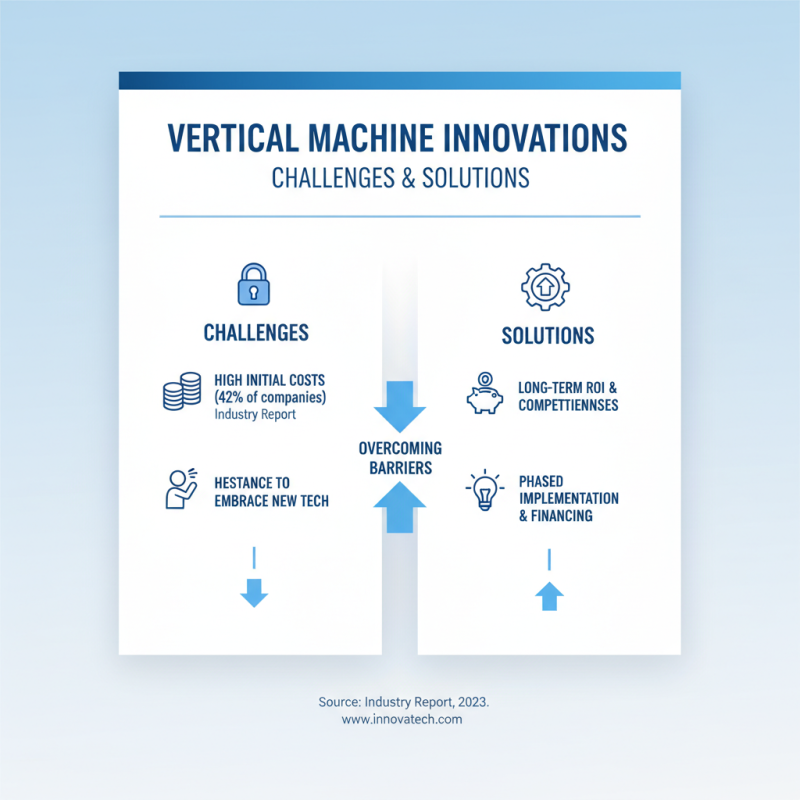
The adoption of vertical machine innovations presents significant challenges for industries aiming to remain competitive. Many organizations struggle with the initial costs. According to a recent industry report, nearly 42% of companies cite high upfront investment as a barrier. This figures reflects the hesitance to embrace new technologies despite their long-term benefits.
Adaptation to vertical machinery also entails a steep learning curve. Training employees to operate advanced machines can be time-consuming and costly. Companies are investing about 15% of their technology budgets in employee training. This often leads to temporary productivity dips, prompting companies to reevaluate their implementation strategies.
Integration with existing systems poses another challenge. Seamless interoperability is crucial but not always achievable. Approximately 38% of businesses report difficulties in aligning new machines with legacy equipment. Such issues can hinder efficiency gains, forcing a rethinking of technology rollout processes. Each of these challenges requires careful planning, innovative thinking, and ongoing adjustments for successful adoption.
Future Trends in Vertical Machinery Advancements for Industrial Use
The future of vertical machinery is rapidly evolving. Recent reports suggest that the global vertical machining center market is projected to reach $7 billion by 2025, growing at a CAGR of over 5%. Such growth highlights the increasing reliance on vertical machines across various sectors. Industries are recognizing the benefits of efficiency, precision, and versatility these machines offer.
One major trend is the integration of automation and AI. Many manufacturers are adopting smart technologies, enhancing machine capabilities. For example, predictive maintenance can reduce downtime by up to 25%. However, this shift requires skilled workers who understand these advanced systems. The current workforce may not be adequately prepared, leading to a skills gap that companies need to address.
Data from industry analysts indicate that sustainability is another emerging focus. Vertical machines are being designed for energy efficiency and minimal waste. Companies are under pressure to adopt green practices due to regulations and consumer demand. Yet, the initial cost of these advanced machines can be a barrier. Businesses must weigh long-term savings against upfront investments. This tension presents a critical challenge for decision-makers as they navigate the path toward modernization.
Top Vertical Machine Innovations Transforming Industry Today
This chart illustrates the advancements in vertical machinery based on various key innovations across different industrial sectors. The data represents the percentage share of each innovation's adoption in recent years.