Top 10 Gantry Machining Centers for Efficient Production?
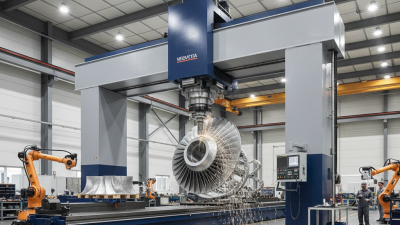
In the competitive landscape of modern manufacturing, the significance of Gantry Machining Centers cannot be overstated. These machines offer precision, speed, and versatility, making them essential for various production needs. According to Dr. Emily Carter, a leading expert in machining technology, "Gantry Machining Centers are revolutionizing how we approach large-scale production." Her insights provide a framework for understanding why these centers are so critical today.
Utilizing a Gantry Machining Center enables companies to enhance efficiency while maintaining high quality. These machines excel in handling large workpieces and complex geometries. However, not all Gantry Machining Centers are created equal. Some lack the advanced features necessary for optimal operation. In a world pushing for better production rates, choosing the right model is vital yet often overlooked.
Several key factors determine the effectiveness of Gantry Machining Centers. These include precision, speed, and the ability to handle various materials. Sometimes, manufacturers might underestimate the importance of software integration and real-time monitoring. With the right approach, businesses can significantly boost their productivity, leading to impressive outcomes and sustained growth.
Top 10 Gantry Machining Centers: An Overview of Industry Standards
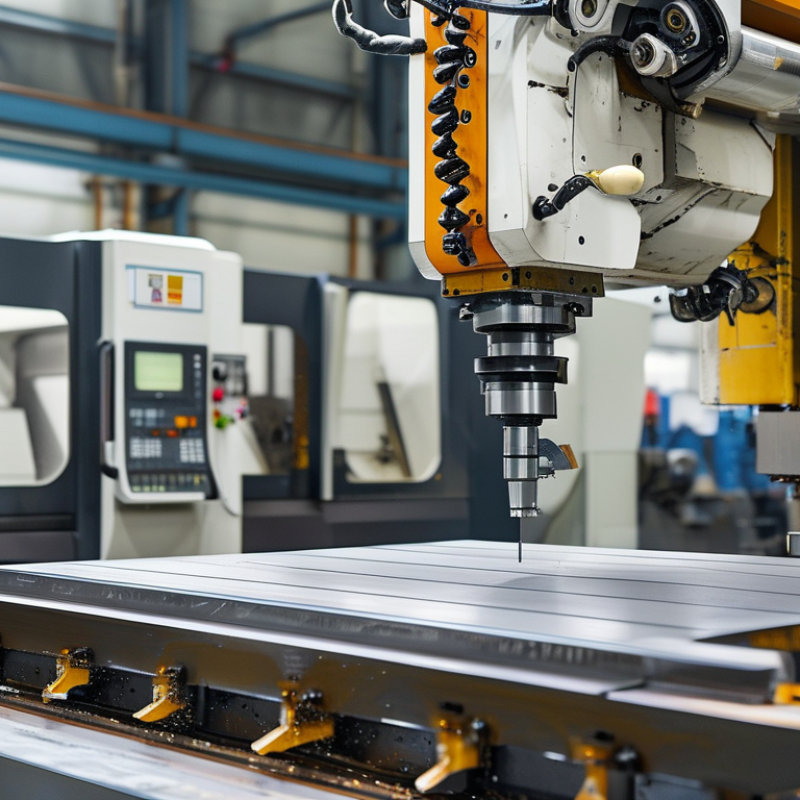
Gantry machining centers play a crucial role in modern manufacturing. They offer high precision and efficiency for large-scale production. These machines can handle extensive workpieces, delivering remarkable accuracy. Understanding industry standards for gantry machines is essential for effective utilization.
Precision is a key factor. The movement of gantry machines allows for intricate machining operations. However, not all machines guarantee the same level of quality. Evaluating different specifications is vital. Factors such as feed rate and spindle speed significantly impact performance. Ensuring that these parameters align with production goals is necessary for success.
Another aspect to consider involves the machine's rigidity. A robust structure is needed for maintaining precision under heavy loads. Surprisingly, some models exhibit deficiencies in this area. This might lead to inaccuracies over time. Ongoing evaluation and improvements in design can help address these issues. Streamlined operations can often reveal unexpected challenges, requiring careful attention to detail. Understanding these nuances promotes better decision-making in selecting the right gantry machining center.
Top 10 Gantry Machining Centers for Efficient Production
This chart displays the production efficiency (in units per hour) of the top 10 gantry machining centers used in the industry. The values indicate how efficient each machining center is in terms of production output.
Key Features to Consider in Gantry Machining Centers for Production
When selecting gantry machining centers, key features are critical for optimizing production efficiency. Precision and rigidity are paramount. A study by the International Journal of Advanced Manufacturing Technology highlights that even a 1% increase in machining precision can lead to a 5% reduction in material waste. This metric underscores the importance of choosing gantry systems designed for accuracy.
Another important factor is the machine's load capacity. High-capacity models improve productivity by enabling multiple heavy components to be machined simultaneously. According to a manufacturing report by SME, centers with enhanced load capabilities can boost throughput by as much as 30%. However, balancing load capacity with rigidity is essential. Overloading can lead to vibration and decreased quality, necessitating careful consideration.
The machining speed and feed rate also directly impact overall efficiency. A higher feed rate can increase output but may compromise part quality. A study from the Precision Engineering Journal suggests that finding the right balance in speed can enhance cycle times without sacrificing precision. Monitoring tool wear is also vital. Inefficient wear can result in poor finishes and increased scrap rates, indicating the need for regular maintenance checks.
Comparative Analysis of Leading Gantry Machining Center Brands
In the realm of precision engineering, gantry machining centers stand out. These machines are pivotal for industries focused on high-volume production. A recent report from the International Machine Tool Industry Association highlighted a 20% year-on-year increase in gantry machine exports. Such growth indicates the rising importance of these machines in efficient production.
When comparing leading brands, several factors emerge. Speed, accuracy, and ease of maintenance are crucial. Research shows that models with a rigid structure can enhance machining precision by up to 30%. However, some users report issues with software integration, leading to unexpected downtimes. This inconsistency raises questions about long-term reliability in production environments.
Additionally, energy efficiency is a growing concern. Many centers now emphasize reduced power consumption, improving the overall sustainability of production. A breakdown analysis reveals that some machines lower energy costs by 15% compared to older models. Yet, the initial investment can be significant, making careful evaluation vital. Balancing initial costs with long-term benefits remains an ongoing challenge in selecting the right gantry machining center.
Top 10 Gantry Machining Centers for Efficient Production
| Model |
Max. Workpiece Size (mm) |
Accuracy (mm) |
Speed (m/min) |
Power (kW) |
Weight (kg) |
| Model A |
3000 x 1200 |
0.005 |
50 |
25 |
2500 |
| Model B |
4000 x 1500 |
0.004 |
60 |
30 |
3000 |
| Model C |
5000 x 2000 |
0.003 |
70 |
35 |
3500 |
| Model D |
6000 x 2500 |
0.002 |
80 |
40 |
4000 |
| Model E |
7000 x 3000 |
0.0015 |
90 |
45 |
4500 |
Efficiency Metrics: Evaluating Production Rates of Gantry Machining Centers
Gantry machining centers are increasingly crucial in manufacturing for their efficiency. Evaluating production rates is key to understanding their impact. Studies show that these machines can reduce cycle times by up to 30% compared to traditional CNC options. This efficiency not only enhances throughput but also minimizes operational costs.
When assessing performance, key metrics include cutting speed, feed rates, and tool change time. Reports indicate that top-performing gantry machines achieve feed rates of over 25 meters per minute. This speed leads to higher productivity levels, with many centers capable of processing multiple parts simultaneously.
Tips: Always consider the intended workload. Not all centers are suited for heavy machining tasks. Evaluate your specific needs before investing. Regular maintenance checks can also prevent downtime and ensure longevity. A well-maintained machine can sustain high efficiency, thus maximizing production output.
Future Trends in Gantry Machining Technology and Market Projections
The landscape of gantry machining technology is evolving rapidly. According to a recent industry report, the global gantry machining center market is projected to grow at a CAGR of 7.4% by 2027. This growth is driven by increasing demands for precision and efficiency in manufacturing. Companies are investing heavily in automation and advanced materials to enhance production capabilities.
Future trends highlight the importance of integrating AI and IoT into machining processes. These technologies allow for real-time monitoring and predictive maintenance, significantly reducing downtime. Some manufacturers have reported a 25% increase in productivity through the implementation of smart technologies. However, the industry faces challenges in adapting existing machines to these innovations. Many older models lack the necessary infrastructure to support new tech advancements.
Cost-effectiveness remains a concern as well. A more automated system may require a heavy initial investment. However, the potential long-term savings through reduced labor costs and increased output cannot be ignored. Companies are balancing the need for innovation with the realities of budget constraints. The path ahead requires careful consideration of both capabilities and limitations.