How to Choose the Best Gantry Machining Center for Your Needs?
Choosing the right Gantry Machining Center can significantly impact manufacturing efficiency. The global market for these machines is expected to reach $5 billion by 2025, according to Industry Research Reports. This growth highlights the increasing demand for versatile machining solutions.
Expert Dr. Michael Langston, a prominent figure in advanced machining technologies, emphasizes, "Selecting the right Gantry Machining Center is critical to achieving optimal production results." His insights reflect the need for careful evaluation of specific operational requirements and machine capabilities.
Many companies struggle with this decision. They often overlook factors like size, weight capacity, and precision levels, which are vital for various applications. Real-world scenarios show that inadequate choices can lead to costly downtime and reduced output. Hence, understanding the unique needs of your operations is essential. Balancing these aspects can lead to a more productive and competitive manufacturing environment.
Understanding Gantry Machining Centers: Key Features Explained
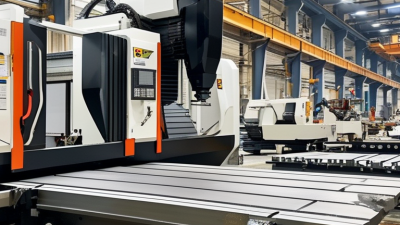
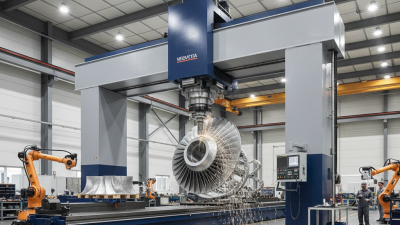
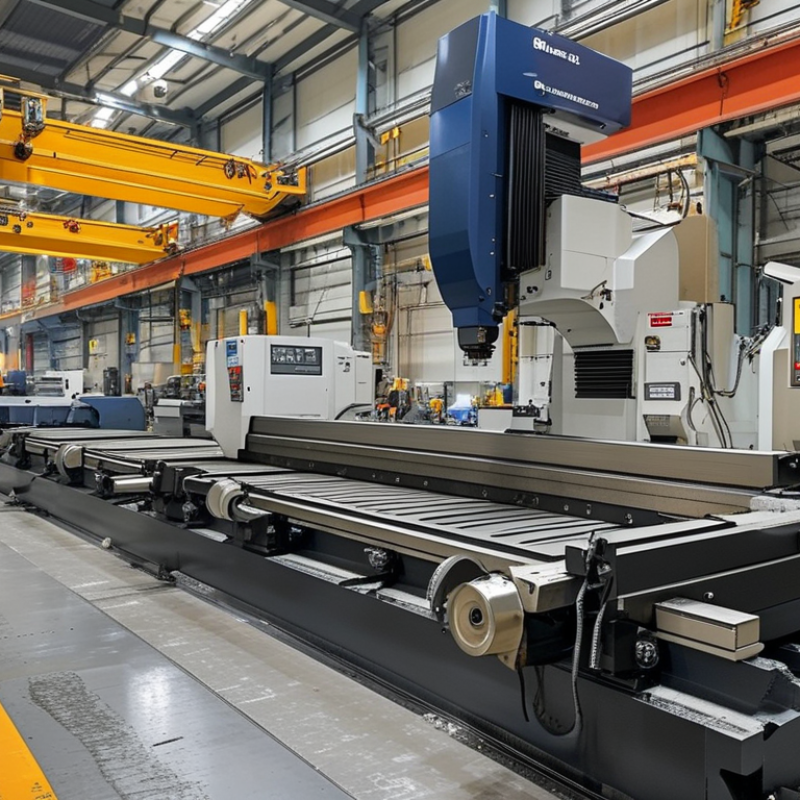
Gantry machining centers are essential in modern manufacturing. They excel in large-scale machining tasks due to their robust design. Key features of these machines include a wide work envelope and high rigidity. According to a recent industry report, the gantry machining center market is expected to grow by 5.6% annually, reflecting increased demand in aerospace and automotive sectors.
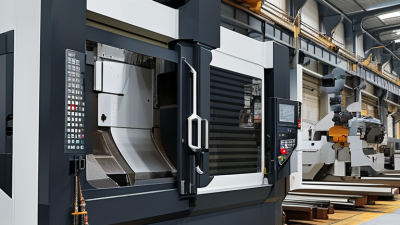
When evaluating a gantry machining center, consider the workpiece size it can accommodate. A larger envelope means more versatility. Additionally, pay attention to the machine's spindle power. Higher spindle power can improve machining efficiency, reducing cycle times. However, balancing power and precision is crucial. A machine that is too powerful may compromise the finish quality.
Tips: Analyze your specific machining needs before making a decision. Invest in a reliable machine that can support your production goals. It’s also wise to consult with industry experts. Their experience can illuminate the nuances of different models. Remember, not every feature is necessary for every application; a focused approach can yield better results. Choose wisely to maximize your investment.
Evaluating Your Machining Needs: Types of Applications and Materials
When evaluating your machining needs, it's essential to understand the types of applications you will undertake. Different materials require specific machining capabilities. For instance, aluminum machining often needs high-speed cutting, while steel may need more robust tools to handle its toughness. Considering these factors can help refine your options.
Additionally, think about the scale and volume of your projects. High-volume production requires different specifications compared to one-off prototypes. A gantry machining center might be an excellent choice for large parts but may not be efficient for smaller pieces. Evaluate the dimensional requirements of your parts as well.
It's also critical to reflect on your operational capacity. If your workforce is inexperienced, a simpler, user-friendly machine might be necessary. This might come at the cost of advanced features. Balancing these choices against your budget will guide you toward the right decision. Each element plays a pivotal role in ensuring you select the best gantry machining center for your specific needs.
Choosing the Right Gantry Machining Center: Application Types and Material Considerations
Assessing the Size and Workspace Requirements for Gantry Systems
When selecting a gantry machining center, workspace requirements are crucial. The size of the machine dictates not only its capacity but also its functionality. A comprehensive 2022 report from the Machinery Manufacturers Association indicates that approximately 45% of manufacturing professionals underestimated needed floor space. This can lead to inefficiencies and operational challenges.
Consider the height, width, and depth of the machining center. A standard gantry system may require at least 15 feet in height to accommodate larger components. However, many operations overlook this dimension, leading to safety and accessibility issues. The layout should also allow for material handling. An efficient flow can minimize downtime.
Furthermore, the surrounding workspace can influence a gantry's performance. It's recommended to maintain at least three feet of clearance around the machine to facilitate maintenance and technician access. A gap of this size can reduce potential accidents by 30%, as per recent safety studies. It’s important to think critically about how the gantry will fit into your workflow and overall production objectives. An improperly sized machine can disrupt your entire operation.
Budget Considerations: Cost Analysis of Gantry Machining Centers
When considering a gantry machining center, budget analysis is crucial. The cost can vary significantly based on specifications, size, and features. Look at both initial costs and long-term investments. Maintenance and operational expenses also play a role. Understand your financial limits before diving in.
Tip: research used gantry options. They often come at lower prices while still delivering quality performance. This can be a practical way to minimize your expenses.
Additionally, explore financing options if upfront costs seem daunting. Many suppliers offer flexible plans. Evaluate your production needs against your budget to find the right match. Not every high-priced option guarantees better results.
Tip: calculate the total cost of ownership. This includes maintenance costs over time. Sometimes, cheaper machines can lead to higher long-term expenses due to frequent repairs. Making an informed decision requires looking beyond the price tag.
How to Choose the Best Gantry Machining Center for Your Needs? - Budget Considerations: Cost Analysis of Gantry Machining Centers
| Model |
Price ($) |
Table Size (mm) |
Max Load (kg) |
Spindle Power (kW) |
| Model A |
50000 |
2000 x 3000 |
1500 |
15 |
| Model B |
65000 |
2200 x 3500 |
2000 |
18 |
| Model C |
80000 |
2500 x 4000 |
2500 |
22 |
| Model D |
90000 |
3000 x 5000 |
3000 |
25 |
Maintenance and Support: Ensuring Longevity and Performance
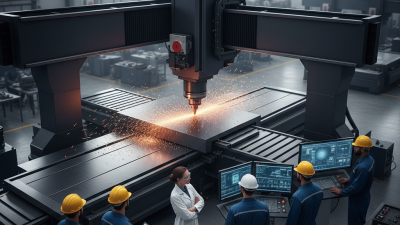
Maintenance and support are crucial for the longevity and performance of your gantry machining center. Regular maintenance can significantly reduce unexpected downtimes. According to a report by the National Institute of Standards and Technology, proactive maintenance can improve machinery availability by up to 25%. This approach minimizes the risk of major malfunctions and extends the machine's lifespan.
Understanding the specific maintenance needs of your gantry machining center is essential. Each model may require different service intervals and inspection protocols. For example, routine checks of linear guides and ball screws are vital. Machine operators should also be educated about basic troubleshooting techniques. Inadequate support can lead to costly errors and operational inefficiencies. A survey by the American Society for Quality found that nearly 30% of machine failures result from inadequate maintenance practices.
Furthermore, sourcing reliable technical support is equally important. Manufacturers or service providers should offer comprehensive support services, including documentation and training. This support builds confidence, ensuring operators can troubleshoot effectively. Investing in proper maintenance and support is not just an operational requirement; it is pivotal in enhancing overall productivity. The long-term success of a gantry machining center hinges on how effectively these aspects are managed.