Top CNC Gantry Machines for Sale Worldwide?
Finding the right Cnc Gantry machine means matching its working envelope and cutting capacity to real production needs. A large table may look impressive, but it can waste floor space if most jobs are small. Compare spindle power, travel, positioning accuracy, and the materials each machine is designed to process. Ask how the manufacturer defines accuracy, and whether figures apply under actual operating conditions. Details matter. A sample cut in aluminum or hardwood can reveal vibration, edge quality, and chip clearance better than a brochure. Even so, one test piece cannot predict every job.
This guide reviews leading CNC gantry machines for sale worldwide, with attention to configuration, controls, support, and value over time. Buyers should check what is included: tooling, software, installation, training, and spare parts can change the true purchase cost. Confirm service coverage in your region, response times, and access to replacement components before placing an order. A low price is not always a bargain. Freight, setup, and production downtime deserve a place in the budget. Specifications can also be difficult to compare when vendors use different test methods. That is worth questioning. Use the rankings as a starting point, then verify each model against your materials, workload, and available space. No single machine suits every workshop, and the best choice may be less obvious than the headline features suggest.
What Defines a CNC Gantry Machine?
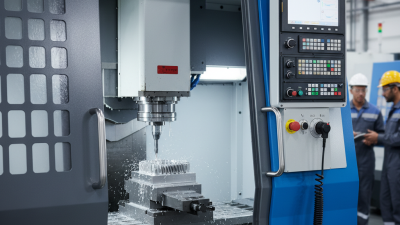
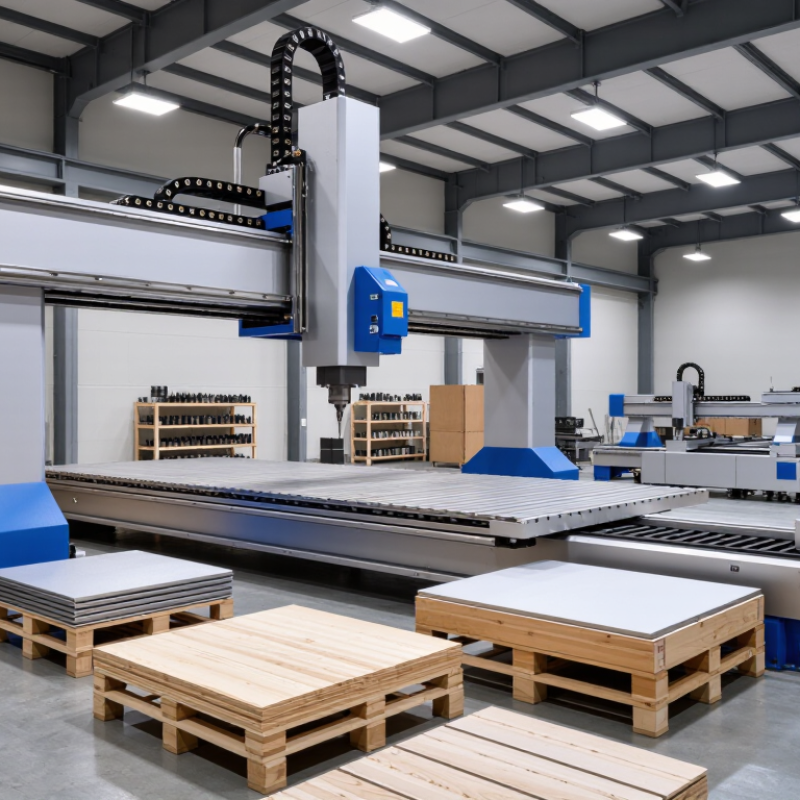
A CNC gantry machine is defined by its overhead bridge, or gantry, which carries the cutting head across a worktable. The bridge travels along parallel rails, while the spindle moves vertically to cut, drill, or shape material. That structure matters. It can provide access to wide or long workpieces that may not fit comfortably on a smaller machine. Depending on its design, a gantry machine may process wood, plastics, composites, or certain metals. Material capacity depends on spindle power, frame rigidity, tooling, and cutting settings—not just the machine’s overall size.
Tips: Check the working area against your actual parts, including clearance for clamps and tools. Ask how the machine handles dust or chips, and confirm what training and maintenance support are available. A large work envelope is useful, but it does not guarantee precise results.
When comparing machines for sale worldwide, examine the frame, rail arrangement, spindle specifications, controller, and stated accuracy. Ask whether accuracy figures describe repeatability or cutting performance under load; they are not interchangeable. Request a demonstration on a material similar to yours, if possible. I would also allow time to review installation needs, power requirements, and service access. These details are easy to overlook, and a machine that looks ideal on paper may still need adjustments for your workshop.
What Defines a CNC Gantry Machine?
A CNC gantry machine is defined by its bridge-like structure, which moves a tool across a work area. Its structure is separate from its axis count: gantry machines can be configured with different numbers of controlled axes.
How to read the chart: Three-axis configurations control movement along X, Y, and Z. Four- and five-axis configurations add one or two rotary axes, respectively. These are common CNC configurations, not limits specific to gantry machines.
How CNC Gantry Machines Operate
How CNC Gantry Machines Operate
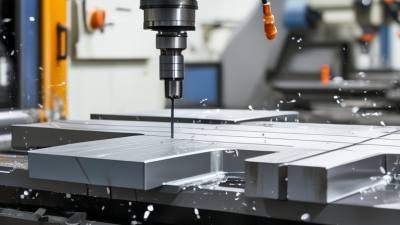
A CNC gantry machine moves a spindle across a wide work area using a bridge-shaped frame. The bridge travels along the X-axis, while the spindle carriage moves across the Y-axis and vertically on the Z-axis. A controller reads toolpaths created in CAM software and coordinates servo motors, drives, and position feedback. The cutting tool then removes material in planned passes. Chips scatter. Coolant may help manage heat and clear the cutting zone.
Frame stiffness matters. A heavy bridge and accurately aligned linear guides help limit vibration, especially when machining large panels or metal parts. In its 2023 CNC Machine Market report, Grand View Research valued the global CNC machine market at USD 101.22 billion. That figure covers CNC machines broadly, not gantry models alone, but it reflects the scale of the wider industry. Still, a larger machine is not automatically more accurate; installation, tool condition, and workholding all affect results.
Tips: Check the machine’s working envelope against your largest real workpiece, not just its advertised travel. Keep the bed clean, verify tool length offsets, and inspect clamping before each job. A small setup error can leave a visible step in a finished surface. Good operators still double-check.
Which Types of CNC Gantry Machines Are Available?
CNC gantry machines come in several layouts, and the right type depends on the workpiece, cutting forces, and available floor space. In a moving-gantry model, the bridge travels over a stationary table. This suits long panels that would be awkward to move, such as cabinet sheets or aluminum plates. Check the machine’s usable travel, not just its advertised bed size; clamps and tool clearance reduce working area. That matters.
A fixed-bridge, moving-table machine keeps the gantry stationary while the table carries the material beneath the spindle. Its structure can offer good rigidity for precise work, but a heavy or oversized part needs enough room to travel. Double-column gantry machines add support on both sides of the work zone. They are often selected for larger, heavier components, though their footprint and installation needs can be substantial. Space is costly.
Some gantry machines are configured for three-axis routing or milling, while others add a rotary axis or five-axis head for angled surfaces and complex contours. These options are not interchangeable upgrades: they affect setup, programming, and maintenance. A practical comparison should include spindle power, table support, positioning accuracy, dust or chip control, and local service access. I would avoid choosing by maximum speed alone; that number says little about how steadily a machine cuts a thick plate or holds accuracy across a long job.
How to Compare Models by Size, Power, and Precision
When comparing CNC gantry machines for sale worldwide, match the working area to the parts you actually make. A 1,300-by-2,500-millimeter bed may suit full sheets, but check usable travel, clamps, and tool clearance. Measure your largest workpiece, then leave room for loading and maintenance. Bigger is not always better. A wider frame takes more floor space and may cost more to keep rigid.
Power should fit both the material and the expected workload. A spindle rated for hardwood cutting may struggle with long production runs or demanding tool paths. Check spindle power, speed range, cooling method, and electrical requirements together. Precision depends on more than a specification sheet. Frame stiffness, linear guides, drive components, calibration, and operator setup all affect the finished edge. Ask for repeatability data and, where possible, inspect a sample cut. Results can vary with tooling and material.
Tips: Compare machines using the same test file and material thickness. Measure the cut part, listen for vibration, and inspect corners for chatter. Keep a little skepticism. A small detail, such as poor dust clearance, can become a daily frustration.
Top CNC Gantry Machines for Sale Worldwide? – How to Compare Models by Size, Power, and Precision
The configurations below represent common CNC gantry machine classes, not specific products. Values are indicative ranges; actual specifications depend on machine design, options, materials, and measurement standards. Confirm the supplier’s stated working envelope and accuracy before purchasing.
| Machine class |
Typical working envelope (X × Y × Z) |
Typical spindle power |
Typical positioning accuracy* |
Common applications |
What to compare |
| Compact gantry router |
Approximately 600 × 900 × 150 mm to 1,300 × 1,300 × 200 mm |
About 1.5–6 kW |
About ±0.05–0.15 mm |
Signs, panels, plastics, wood, and light-duty non-ferrous work |
Usable table area, spindle cooling, dust collection, and workholding |
| Production gantry router |
Approximately 1,300 × 2,500 × 200 mm to 2,100 × 3,100 × 300 mm |
About 5–12 kW |
About ±0.05–0.10 mm |
Cabinetry, sheet goods, composites, and large-format plastics |
Sheet capacity, gantry stiffness, tool changer, and vacuum-table zones |
| Precision moving-gantry machining center |
Approximately 1,000 × 1,000 × 500 mm to 3,000 × 2,000 × 1,000 mm |
About 10–30 kW |
About ±0.01–0.03 mm |
Aluminum and other metals, fixtures, molds, and precision components |
Accuracy test method, thermal control, feedback scales, and tool capacity |
| Large-format gantry machining center |
Approximately 3,000 × 2,000 × 1,000 mm to 6,000 × 3,000 × 1,500 mm |
About 20–60 kW |
About ±0.02–0.05 mm |
Large metal parts, dies, molds, aerospace structures, and heavy fabrication |
Foundation requirements, workpiece mass, chip removal, and service access |
*Accuracy figures are indicative examples of commonly specified machine performance, not guaranteed tolerances. Positioning accuracy and repeatability are different measures; compare both using the same test standard and operating conditions.
How to Evaluate Worldwide Suppliers and Purchase Options
Buying a CNC gantry machine from another country starts with the workpiece, not the sales brochure.
Record the largest panel dimensions, material, thickness, and expected daily operating hours. Then compare travel, spindle power, tool-changing options, and table construction against those needs. Ask suppliers for a machine layout, electrical requirements, and sample-cut data using material similar to yours. A polished video is useful, but it cannot show repeatability over a full shift. Request measured tolerances, test conditions, and a recent inspection report.
Small details matter. A gantry with little clearance above a fixture can make routine loading awkward.
Evaluate suppliers through specific, written answers. Confirm who handles installation, operator training, spare parts, and remote troubleshooting in your region. Ask about response times and the cost of common wear items, such as collets or sensors. Before paying, compare the machine price with crating, freight, insurance, import charges, commissioning, and local electrical work. These costs vary by destination, so request a landed-cost estimate from a qualified logistics provider. Check warranty coverage in writing, including travel fees and labor. A live factory acceptance test can help, but agree on its scope before ordering.
No supplier is perfect.
If specifications remain vague, pause and ask for clarification; urgency is not proof of value.