How to Choose the Best Vmc Machine for Your Business Needs?
Choosing the right Vmc Machine is crucial for any business aiming for efficiency and precision. The selection process isn't always straightforward. Many factors come into play, and each business has unique needs. You must consider your production goals, the types of materials you'll be working with, and the specific applications of the machine.
Understanding the different Vmc Machine features is vital. For instance, consider the size, spindle speed, and tooling capabilities. These can significantly impact the machining process. Lack of proper research can lead to costly mistakes. A machine that doesn’t meet your requirements can hinder growth and productivity.
Engaging with industry experts and researching reviews can shed light on the best options. However, not all sources are equally reliable. Be cautious, as some information may mislead your decision. It's important to weigh the pros and cons carefully. Creating a well-informed choice will pay off in the long run.
Understanding VMC Machines: Types and Functions
When exploring VMC (Vertical Machining Center) machines, understanding their types and functions is crucial. VMC machines vary significantly based on their configurations. The three primary types include 3-axis, 4-axis, and 5-axis models. According to a report by MarketsandMarkets, the global VMC market is anticipated to grow significantly, reaching $12 billion by 2026. This growth is driven by the increasing demand for precision manufacturing across various sectors.
3-axis VMCs are widely utilized for basic machining tasks. They are ideal for simple shapes and straightforward operations. In contrast, 5-axis VMCs offer enhanced capabilities. They allow complex geometries and intricate designs to be created with higher ease. Many manufacturers have adopted 5-axis technology to improve productivity and reduce setup times. A study from SME Media highlighted that 5-axis machines can increase part production rates by up to 30% compared to their 3-axis counterparts.
Machine versatility is essential when selecting a VMC. Different functions cater to varying operational needs. Some machines focus on milling hard materials, while others provide high-speed machining for softer metals. The choice ultimately impacts operational efficiency and production costs. Industry experts recommend assessing your specific requirements carefully. This ensures that the selected VMC aligns with your business objectives, leading to optimized performance and cost savings.
Assessing Your Business Requirements for VMC Machines
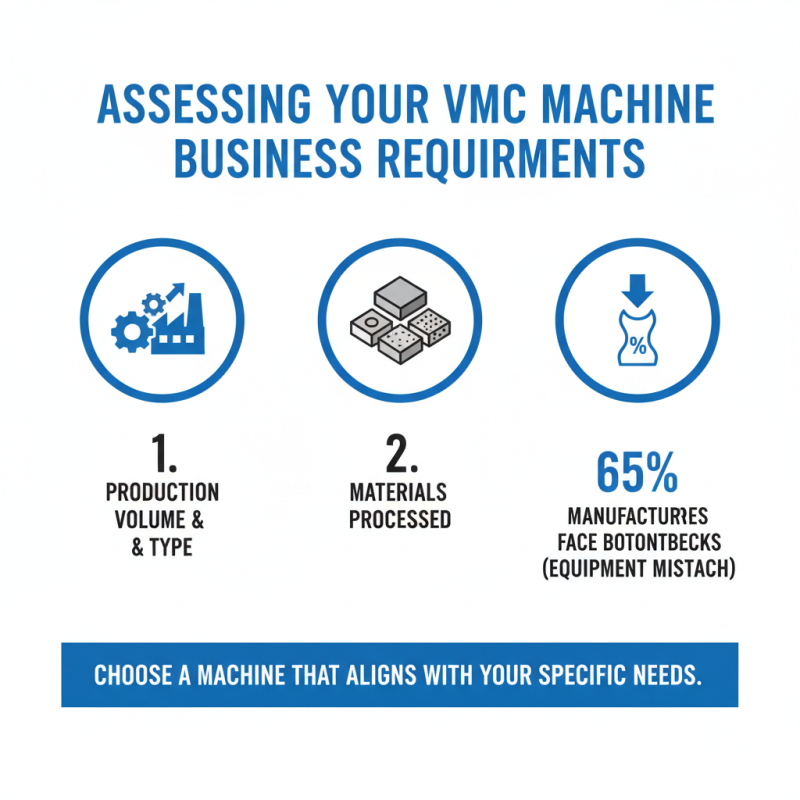
When selecting a Vertical Machining Center (VMC), it’s crucial to assess your business requirements carefully. Understanding your production volume and the types of materials you work with can heavily influence your choice. A recent industry report states that 65% of manufacturers experience bottlenecks due to equipment mismatch. This emphasizes the importance of choosing a machine that aligns with your specific needs.
Consider the machine’s capabilities. For example, a VMC's spindle speed and tooling options should match your production demands. If your facility deals with aluminum, you may need high-speed machining. On the other hand, steel components may require a different approach. Many businesses overlook factors like power consumption and maintenance needs. These can lead to unexpected costs over time.
It's also vital to evaluate the integration with existing systems. A seamless workflow can enhance efficiency. However, improper calibration or compatibility issues can lead to disruptions. Research shows that nearly 40% of companies encounter integration challenges, resulting in reduced productivity. Take the time to map out how the VMC will fit into your operations. This reflection can save resources and improve outcomes significantly.
Key Features to Consider When Selecting a VMC Machine
When selecting a Vertical Machining Center (VMC) machine, several key features demand your attention. The first is spindle speed. A higher spindle speed often leads to better precision and faster machining times. Research by the Association for Manufacturing Technology indicates that machines with spindle speeds over 10,000 RPM significantly improve machining efficiency.
Another crucial aspect is the machine's travel capacity. Ensure that the VMC's axis travel accommodates your largest workpiece. Many manufacturers run into issues when their VMC does not meet the dimensions required for their projects. Understand the specific needs of your applications before making a decision.
Tip: Evaluate the control system carefully. A user-friendly interface with advanced programming capabilities can save time and reduce errors. Additionally, consider machine rigidity. A more robust machine will handle vibrations better, leading to improved surface finishes. Keep in mind that while higher investments may seem daunting, they often yield greater long-term savings.
How to Choose the Best Vmc Machine for Your Business Needs? - Key Features to Consider When Selecting a VMC Machine
| Feature |
Description |
Importance |
Example Values |
| Spindle Speed |
Indicates the maximum speed the spindle can achieve, affecting cutting efficiency. |
High |
12,000 RPM - 30,000 RPM |
| Travel Range |
The maximum distance the machine can move in X, Y, and Z axes. |
Medium |
X: 760 mm, Y: 450 mm, Z: 500 mm |
| Tool Capacity |
Number of tools that can be loaded in the machine's tool changer. |
High |
16 - 40 tools |
| Control Type |
The type of CNC control that manages the machine's operations. |
High |
Fanuc, Siemens, Haas |
| Accuracy |
The precision of the machining, often indicated by tolerances. |
High |
±0.005 mm to ±0.01 mm |
| Cooling System |
System used to maintain optimal temperatures during machining. |
Medium |
Flood, mist, or air blast |
Budgeting and Cost Analysis for VMC Machine Acquisition
When considering the acquisition of a vertical machining center (VMC), budgeting is crucial. Determining the overall cost involves evaluating the purchase price, maintenance, and potential training for your staff. An accurate budget allows for a more informed decision. Remember, additional costs may arise from tooling or software.
Focusing on cost analysis can reveal significant insights. For example, running costs, including electricity and labor, can vary. Some machines are more efficient than others, which can lead to long-term savings. You might consider leasing as an alternative. It can lower upfront costs but may lead to higher long-term expenses.
Also, don't overlook the resale value of a VMC. Machines with better technology often retain value better. Researching previous sales can provide useful benchmarks. It's worth seeking advice from industry experts who can share insights on experience with various machines. This ensures that your investment aligns with current and future needs.
Budgeting and Cost Analysis for VMC Machine Acquisition
Maintenance and Support Considerations for VMC Machines
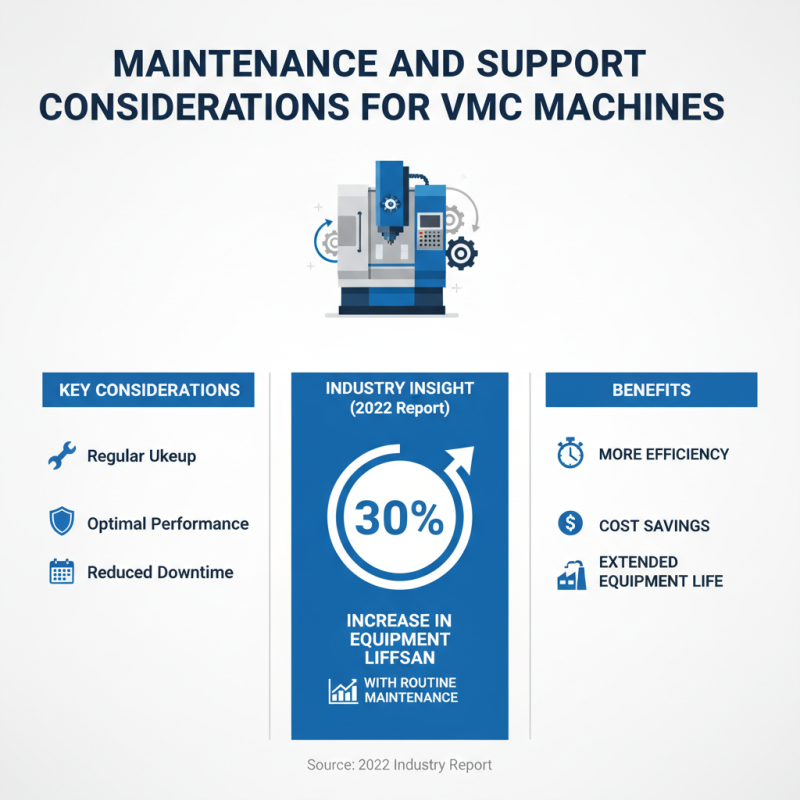
When selecting a Vertical Machining Center (VMC), maintenance and support are crucial. Regular upkeep ensures optimal performance. According to a 2022 industry report, companies that implement routine maintenance see a 30% increase in equipment lifespan. This means less downtime and more efficiency.
Support plays a significant role in maintaining VMC machines. Having access to expert technicians can minimize disruptions. Many manufacturers offer support packages tailored to specific needs. However, not all support is equal. A survey revealed that 40% of users expressed dissatisfaction with after-sales service. It's essential to assess the quality of support before making any commitments.
Understanding the total cost of ownership is vital. Maintenance costs can add up quickly, often totaling 15% of the equipment purchase price annually. Additionally, training staff on proper maintenance techniques can prevent issues. Regular training sessions can empower your team, though the challenge lies in keeping everyone updated. Balancing costs with quality support and maintenance should be a priority for any organization.