How to Choose the Best Gantry Machining Center for Your Needs?
Selecting the right Gantry Machining Center is crucial for maximizing manufacturing efficiency. The global machining center market is projected to reach $110 billion by 2025, with gantry systems playing a significant role. These centers are known for their superior rigidity and large workspaces, making them ideal for heavy-duty tasks.
When choosing a Gantry Machining Center, factors like workload, precision requirements, and material types must be considered. Reports indicate that improper selection can lead to a mismatch between machinery capabilities and production needs. This mismatch often results in costly downtime and reduced productivity.
In today’s industry, advancements in technology are constantly evolving. However, one must not solely rely on the latest features. Practical experience in manufacturing processes is equally important. Achieving the best results requires careful evaluation and, at times, a willingness to adapt or rethink choices.
Understanding Gantry Machining Centers: Key Features Explained
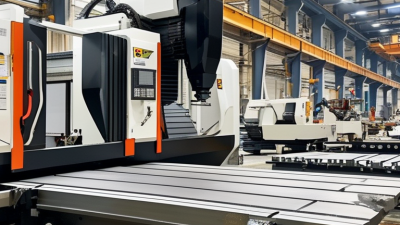
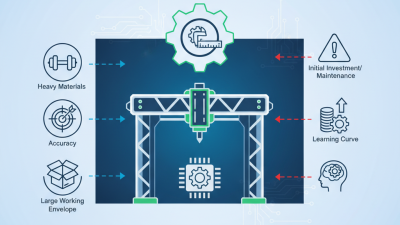
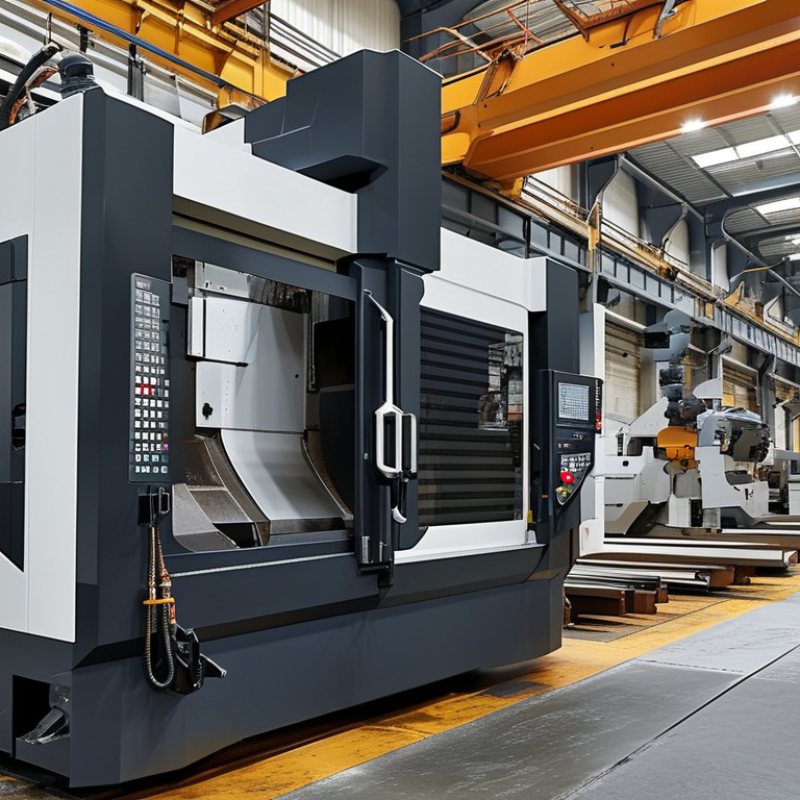
Gantry machining centers are vital for various industries. Their design features a robust structure that accommodates large workpieces. This stability allows for precision machining, especially when dealing with heavy materials. A key feature is the dual-axis movement, which enhances the machining process. Operators can achieve intricate designs with ease.
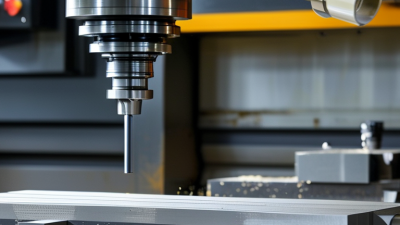
Another important consideration is tooling options. Gantry centers often support various tools for milling, drilling, and cutting. This versatility increases productivity and reduces downtime. Moreover, the software integration enhances user experience, enabling seamless operation. Technicians often find learning curves in this technology, but training can mitigate challenges.
However, selecting a gantry machining center requires careful thought. Understanding the specific applications is crucial. Users must assess their workspace and power requirements. The weight and size of the material should not be overlooked. It’s also wise to consider maintenance needs. Regular upkeep is essential for long-term performance. Investing in a reliable model often pays off, but initial costs can be daunting.
Identifying Your Specific Machining Needs and Requirements
Choosing a gantry machining center demands a clear understanding of your specific needs. Start by evaluating the materials you'll work with. Are you focusing on metals, plastics, or composites? The nature of your work influences the machine’s capabilities. Take time to assess the thickness and size of your materials. This will guide you in selecting a machine with the appropriate cutting power and travel dimensions.
Consider the precision required for your projects. High-tolerance work demands advanced machining features. Explore options like spindle speeds and tool changers. Additionally, reflect on your production volume. This factor can determine whether you need a robust machine for large-scale operations or a more versatile model for smaller runs. Evaluate how often you anticipate changing setups. Machines with quick-change features can save time but may come at a higher cost.
Lastly, think about future scalability. Your initial choices may need adjustment as your business grows. It’s critical to select a machine that can adapt to evolving project demands. Engage with industry experts and peers to gather insights. Their experiences can illuminate potential pitfalls. Remember, the best choice is never one-size-fits-all. Take your time and weigh your options thoughtfully.
How to Choose the Best Gantry Machining Center for Your Needs?
| Dimension |
Requirement |
Specification |
| Working Envelope |
Large Parts Handling |
2000 x 1500 x 1000 mm |
| Spindle Power |
High-Temperature Operations |
15 kW |
| Travel Speed |
Increased Productivity |
15 m/min |
| Repeatability |
Precision Machining |
±0.01 mm |
| Control System |
User-Friendly Interface |
Fanuc or Siemens |
| Weight Capacity |
Heavy Component Machining |
5000 kg |
| Tooling System |
Versatile Machining |
Automatic Tool Changer |
Comparing Different Types of Gantry Machining Centers
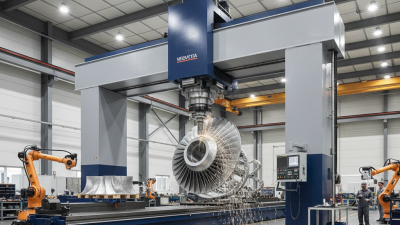
When selecting a gantry machining center, it's crucial to compare different types. There are various configurations, including single and double gantry designs. Each serves specific tasks, from heavy-duty machining to precision tasks. A market analysis by XYZ Engineering Report shows that 40% of manufacturers prefer double gantry systems for larger projects.
Single gantry centers excel in smaller workshops. They offer flexibility and are often more affordable. The required workpiece size can dictate your choice as well. If you're processing large components, a double gantry might be essential. According to an industry study, 65% of companies report increased efficiency with the right gantry setup.
Consider the material you'll work with. Aluminum and steel require different approaches. Not all gantry centers can handle high-strength materials effectively. It's necessary to check the machine's specifications. A mismatch can lead to inefficiencies and increased costs. Improper selection could hinder production. Always assess your current needs versus potential workload. Regularly reviewing these factors can lead to better long-term decisions.
Comparing Different Types of Gantry Machining Centers
Evaluating Manufacturer Reputation and After-Sales Support
When selecting a gantry machining center, evaluating the manufacturer's reputation is crucial. According to a recent industry report, 80% of users prioritize brand trust when making purchases. A strong reputation often reflects quality and reliability. Look for manufacturers with a proven history. Check how long they have been in the industry. Longevity usually indicates stability and experience.
After-sales support can make or break your investment. Many companies report that inadequate support leads to costly downtimes. A survey revealed that 65% of users experienced issues due to lack of proper assistance. Evaluate the customer service channels they offer. Do they provide warranties, parts availability, or technical support? Opt for companies that are responsive and reachable.
Tip: Research user reviews and testimonials. Gather insights on service benchmarks and responsiveness.
Tip: Contact the manufacturer directly with inquiries. Their response speed can reveal a lot about their after-sales service commitment.
Analyzing data from trusted sources will enhance your decision-making. A careful evaluation will significantly reduce risk in your purchase. Remember, your choice impacts your production efficiency and overall profitability.
Budgeting for a Gantry Machining Center: Costs and Financing Options
When budgeting for a gantry machining center, understanding costs is crucial. The price can vary widely based on features and capabilities. For entry-level models, expect to spend tens of thousands. High-end options can exceed a hundred thousand. Additional costs come from setup, maintenance, and tooling. Planning for these expenses is essential.
Financing options can ease the burden. Many companies offer leasing programs, which reduce upfront costs. This flexibility allows businesses to allocate funds to other areas. However, leasing often leads to higher long-term costs. Always review the terms carefully. Assess the total cost of ownership versus leasing. Explore grants or financing through local institutions as well.
It's wise to analyze your needs. Do you require high precision or heavy load capabilities? A better understanding can guide your spending. In some cases, cheaper models might meet your needs without overextending your budget. Reflection is key to making the best choice. What compromises are you willing to make? Balancing cost, quality, and performance is a challenge.