China Best Aluminum Machine Innovations for Superior Manufacturing Techniques?
In the dynamic landscape of manufacturing, China stands out for its innovations in the Aluminum Machine industry. According to a report by the International Aluminum Association, the global aluminum market is projected to grow at a CAGR of 4.5% from 2021 to 2026. This surge is driven by advancements in technology and processes. Experts agree that effective aluminum machinery can drastically enhance production efficiency and product quality.
Dr. Jian Li, a renowned expert in metalworking technologies, emphasizes, "The right aluminum machine is a game-changer for manufacturers." His insights highlight how superior machinery can influence competitiveness. Despite significant advancements, many manufacturers still struggle with integrating new technologies. This gap can lead to inefficiencies and lost opportunities.
The evolving needs of industries require a keen focus on innovation. As manufacturers adapt to new demands, the role of advanced aluminum machines becomes increasingly important. However, the implementation of such technologies isn't without challenges. Reflection on past errors and continuing education in machine upgrades are vital for success. In this context, exploring cutting-edge solutions is not just beneficial but essential.
Innovations in Aluminum Manufacturing: An Overview of China’s Contributions
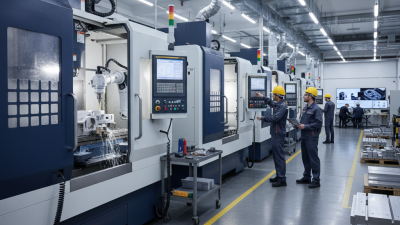
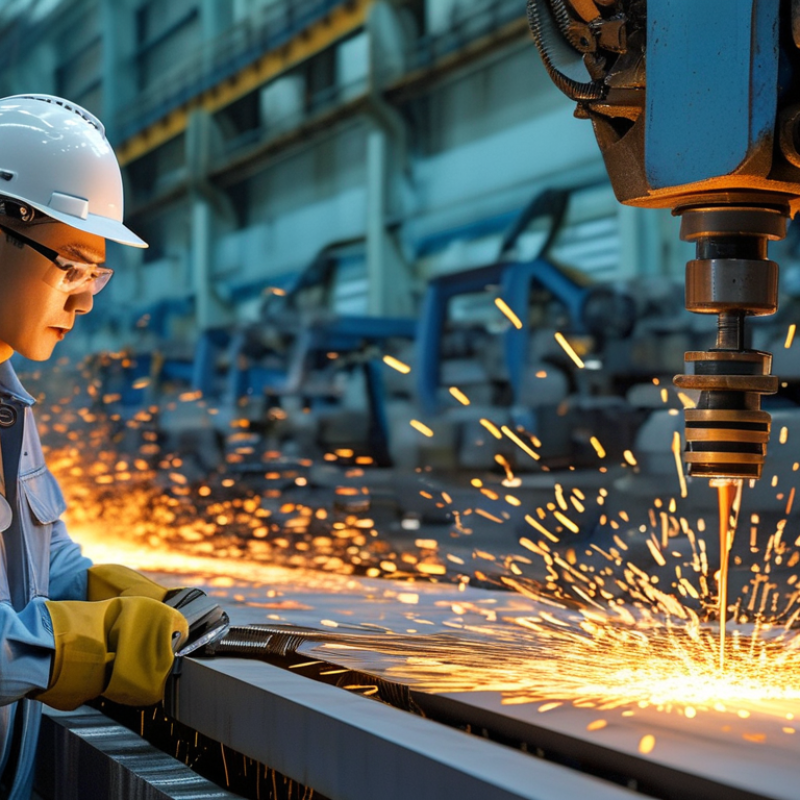
China has become a frontrunner in aluminum manufacturing innovations. The country has made significant strides in improving production techniques. Advanced machinery and automation are transforming the industry. These innovations enhance efficiency and reduce waste. Robots now handle tasks that were once manual, allowing for greater precision. This shift is crucial for meeting global demands.
Beyond technology, the focus on sustainability is noteworthy. New methods reduce energy consumption during production. Environmentally friendly practices are gaining traction. However, challenges remain. The industry must navigate the balance between growth and ecological impact. Some processes still produce harmful emissions. Continuous improvement and stricter regulations are vital.
In recent years, research and development have surged. Universities and companies collaborate to innovate. Knowledge transfer between academia and industry fosters creativity. However, a gap exists in scaling these innovations. Small manufacturers often lack resources to implement new techniques. This limits overall progress in the sector. The path ahead will require addressing these disparities.
Advanced Aluminum Machining Techniques Developed in China
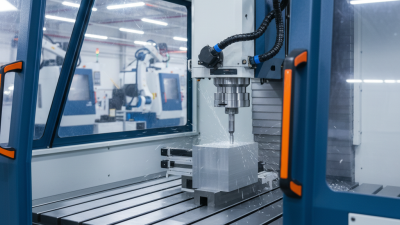
China has emerged as a leader in aluminum machining innovations. Various techniques have been developed that enhance manufacturing efficiency and precision. Advanced CNC (Computer Numerical Control) technologies are at the forefront. These innovations allow for intricate designs and tighter tolerances, which are essential in industries like aerospace and automotive.
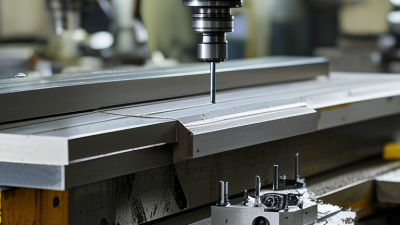
One notable advancement is the use of multi-axis machining. This technique optimizes tool movements and minimizes setup time. Another innovation involves using specialized tools designed for aluminum alloys. These tools improve cutting speeds and extend tool life, reducing costs over time. However, the rapid pace of technology also raises challenges. Manufacturers must stay updated with these changes or risk falling behind competitors.
Despite the impressive advancements, there are still areas for improvement. Some machining processes can produce excessive waste, leading to environmental concerns. Companies need to focus on sustainability while maintaining efficiency. Continuous evaluation and adaptation are critical to achieve a balance between innovation and responsible manufacturing practices.
China's Innovations in Aluminum Machining Techniques
Key Players in China's Aluminum Machine Innovation Landscape
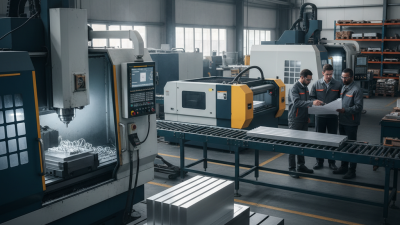
China's aluminum machine innovation landscape features several key players dedicated to advancing manufacturing techniques. These innovators focus on efficiency and precision. They are redesigning machines to meet the specific needs of industries. Enhanced automation processes are pivotal in optimizing production lines.
Technological expertise is crucial in this arena. Engineers and researchers collaborate to refine existing processes. Their experiments lead to improved techniques, such as better alloy handling and optimized melting practices. Yet, the journey is not without challenges. The integration of new technologies often meets resistance from traditional methods. Not everyone adapts easily to change, and that creates obstacles.
Sustainability is another pressing concern. Many players are exploring eco-friendly practices. Reducing emissions and waste is essential. However, this transition requires extensive investment and time. The future of aluminum manufacturing heavily depends on addressing these issues effectively. The commitment to innovation will define the leaders in this space.
Technological Advancements Driving Efficiency in Aluminum Production
In recent years, China's aluminum manufacturing has seen remarkable technological advancements. These innovations enhance production efficiency and significantly reduce waste. Automation has become a key player in this transformation. Robotic systems streamline the production line, minimizing human error and increasing precision. More accurate temperature controls during melting processes lead to improved material quality.
Smart technology is gradually being integrated into aluminum production. IoT devices monitor machinery performance in real-time. This capability allows for timely maintenance, preventing potential breakdowns. Data analytics help companies identify inefficiencies and optimize resource allocation. However, these technologies also require skilled personnel to manage operations effectively.
Not all advancements come without challenges. High initial costs can deter smaller manufacturers from adopting new systems. Transitioning to smart factories involves a steep learning curve. There is also concern about data security in increasingly connected environments. Overall, while these innovations promise enhanced productivity, they also present significant hurdles for the industry.
China Best Aluminum Machine Innovations for Superior Manufacturing Techniques
| Innovation Type |
Description |
Efficiency Gain (%) |
Implementation Year |
| Automated Die Casting |
Integration of robotics for die casting operations. |
20 |
2021 |
| Advanced CNC Machining |
High-precision machining with reduced cycle times. |
30 |
2020 |
| Smart Manufacturing Systems |
IoT-enabled machinery for real-time monitoring. |
25 |
2022 |
| Sustainable Recycling Technology |
Innovations in recycling aluminum scraps. |
40 |
2023 |
| 3D Printing for Prototyping |
Utilization of 3D printing for rapid prototyping of aluminum parts. |
15 |
2021 |
Future Trends in China’s Aluminum Manufacturing Innovations
China's aluminum manufacturing sector is witnessing transformative innovations that reshape production paradigms. As environmental concerns surge, manufacturers are introducing eco-friendly techniques. For instance, smart production lines leverage artificial intelligence to enhance efficiency. These advancements aim to minimize waste and energy consumption.
The integration of Industry 4.0 technologies is critical. Factories are increasingly utilizing IoT devices for real-time monitoring. This shift allows for predictive maintenance, ultimately reducing downtime. However, the reliance on technology poses challenges. Not all manufacturers are prepared for such rapid change, leading to potential skill gaps.
Another trend is automation in casting and machining processes. Robots and automated systems improve precision in aluminum fabrication. Yet, this reliance on automation raises questions about workforce impact. Finding the right balance between technology and human skill is essential for sustainable growth. Embracing these innovations means continuously learning and adapting. The future of aluminum manufacturing is not just about new machines; it's about adapting to change.