How to Choose the Right Aluminum Machine for Your Manufacturing Needs?
Choosing the right Aluminum Machine for your manufacturing needs can be a daunting task. According to industry expert Mark Thompson, "The right machine can transform your production efficiency." With numerous options available, each designed for different applications, it is crucial to understand your specific requirements.
Aluminum Machines vary widely in capability and size. Some are tailored for high-volume production, while others excel in precision work. It’s essential to reflect on the volume of output, desired finish, and materials you plan to work with. This decision impacts not only your workflow but also your overall product quality.
Many manufacturers rush into decisions without thorough evaluation. This can lead to costly mistakes and machine underperformance. Take time to analyze your processes, consult with experts, and consider future scalability. After all, the right Aluminum Machine should not only meet current demands but also adapt to future changes in your production line.
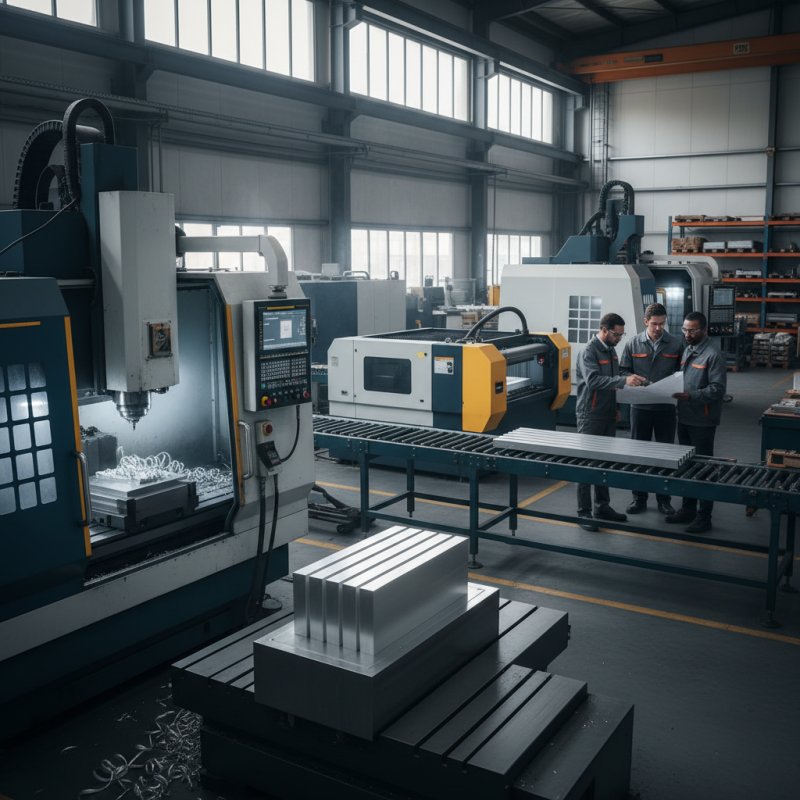
Understanding the Different Types of Aluminum Machines Available
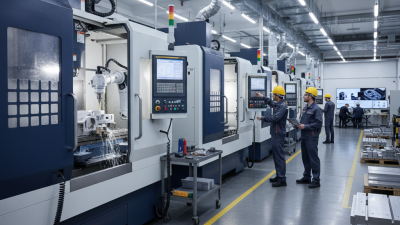
Choosing the right aluminum machine can be challenging. The options available range widely in functionality, size, and technology. Common types include CNC machines, multi-tools, and automated bending machines. Each serves different manufacturing purposes.
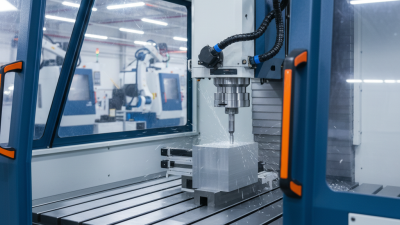
CNC machines excel in precision cutting. They are essential for complex designs. A multi-tool can handle various tasks, from milling to drilling. This versatility can save time and space in your workshop. Automated bending machines offer efficiency; they streamline repetitive bending tasks.
Tips: Assess your production volume and complexity. If your projects are varied, consider a multi-tool. For high-volume runs, a CNC machine might be more beneficial.
Evaluate the space you have. Some machines require significant floor space. Choosing the wrong machine may lead to inefficiencies. It's crucial to reflect on your long-term needs before deciding on a specific type.
Factors to Consider When Assessing Your Manufacturing Needs
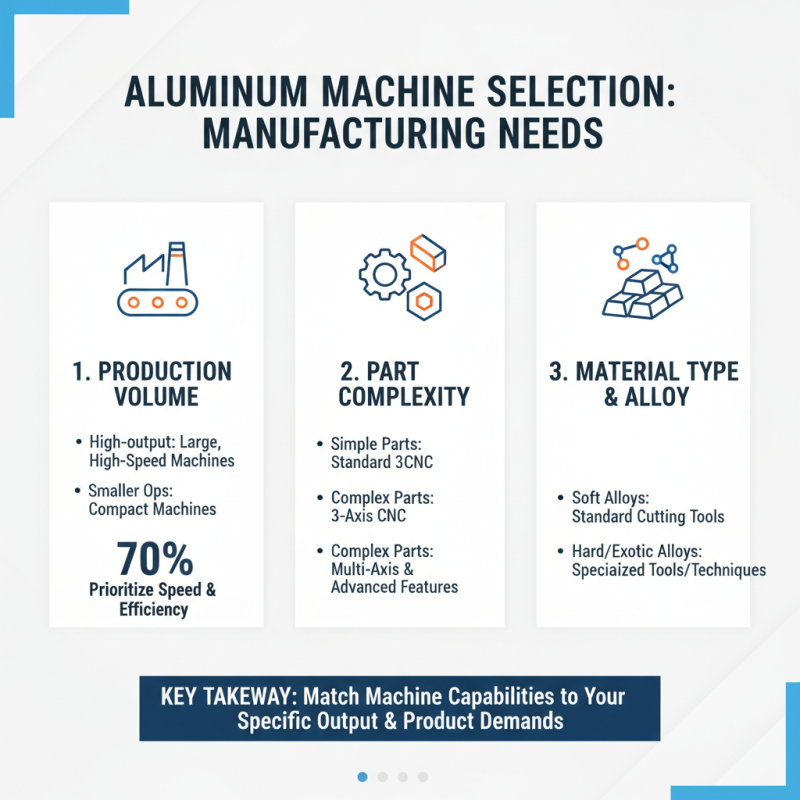
Selecting the right aluminum machine for your manufacturing needs requires careful evaluation of various factors. First, consider your production volume. High output manufacturing may need larger, high-speed machines, while smaller operations can manage with compact options. According to industry research, around 70% of manufacturers prioritize machine speed and efficiency, highlighting the need for machines that can handle your specific output requirements.
Another crucial factor is the thickness and type of aluminum you will work with. Different applications demand different machine capabilities. For example, a report by the Aluminum Association shows that extruded aluminum is becoming increasingly favored in automotive manufacturing. Understanding material specifications will guide you in selecting the right machine.
Tip: Always assess the level of automation you need. Fully automated machines may offer efficiency but often come with a higher upfront cost. If your production is variable, a semi-automated solution could provide a balanced option.
Don’t forget to factor in maintenance and support services. Machines with complex systems could lead to downtime if service is not readily available. Researching the vendor's reputation in after-sales support is essential. It’s prudent to ask peers about their experiences, as anecdotal evidence can highlight potential pitfalls. You would not want to invest in equipment that lacks reliable service.
Evaluating Performance Specifications of Aluminum Machines
When choosing an aluminum machine, evaluating performance specifications is critical. Machines vary in speed, accuracy, and efficiency. According to a recent industry report, a well-optimized aluminum machine can enhance production rates by up to 30%. Analyzing metrics like feed rates and cutting speeds is essential for maximizing output.
It’s vital to consider the intended application. Are you focusing on intricate parts or larger components? Each application has unique demands. Quality surface finishes often require higher precision tools. A machine that lacks this capability may lead to costly rework.
Tip: Always seek specifications that include tolerances and machining capabilities. Compare options based on your
production goals. You can also request demos or trial periods to assess
real-world performance. Realistic evaluations help in making informed decisions. Beware of overly optimistic claims; some machines perform poorly under specific conditions. This reflection ensures that your investment aligns with your operational needs.
Cost vs. Benefit Analysis in Choosing Aluminum Machines
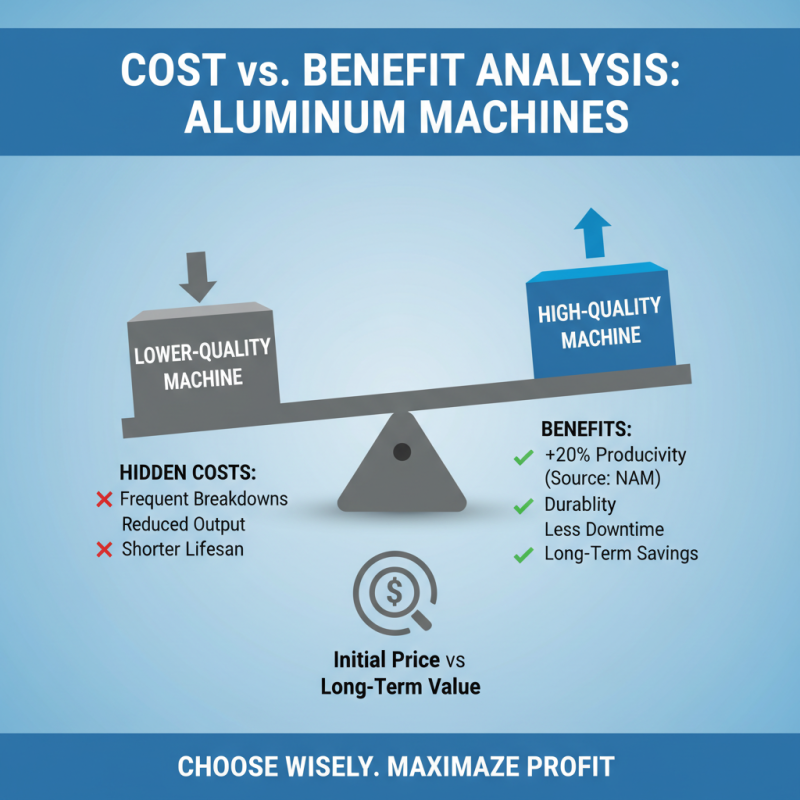
When it comes to selecting an aluminum machine, a careful cost versus benefit analysis is crucial. Many manufacturers overlook the hidden costs associated with lower-quality machines. According to the National Association of Manufacturers, investing in high-quality equipment can improve productivity by up to 20%. This increase often justifies the initial higher purchase price over time.
Tips:
Consider the total cost of ownership. Include maintenance, energy consumption, and potential downtime. A seemingly cheaper machine may lead to higher long-term expenses.
It's important to analyze production needs and machine capabilities. For instance, a study from the Aluminum Association indicates that machines with advanced features can reduce waste by as much as 15%. Such efficiency not only saves material costs but also contributes to sustainability efforts in manufacturing processes.
Tips:
Evaluate the expected volume of production. Ensure the chosen machine meets current and future demands.
However, not all advanced features will suit every business. Manufacturers should reflect on their specific needs and assess if high-tech options genuinely enhance productivity. Avoid the trap of unnecessary upgrades that could complicate operations.
Maintenance and Support Considerations for Aluminum Machinery
When selecting aluminum machinery, maintenance and support cannot be overlooked. Regular maintenance ensures optimal performance and longevity. This includes routine inspections and timely replacements of worn-out parts. A well-maintained machine enhances productivity. It also minimizes unexpected downtime, saving both time and money.
Understanding the support options available is crucial. Some manufacturers offer comprehensive service agreements. These can cover parts, labor, and even emergency repairs. It's beneficial to evaluate these offerings before making a purchase. A reliable support system can make a significant difference in the machine's operational lifespan.
Consider also the complexity of parts. Some components may be harder to source. This can lead to delays in repairs. In such cases, it's wise to keep a stock of critical parts on hand. Being proactive can prevent disruptions in production workflows. Allocating resources for maintenance ensures that your aluminum machine remains a valuable asset.
How to Choose the Right Aluminum Machine for Your Manufacturing Needs? - Maintenance and Support Considerations for Aluminum Machinery
| Machine Type |
Key Features |
Maintenance Frequency |
Typical Lifespan |
Support Options |
| CNC Milling Machine |
High precision, versatile, programmable |
Monthly |
10-15 years |
Online support, on-site service |
| Aluminum Extruder |
Continuous production, custom shapes |
Weekly |
15-20 years |
Technical support, replacement parts |
| Laser Cutting Machine |
High-speed cutting, minimal waste |
Bi-annually |
10 years |
Remote diagnostics, training |
| Aluminum Welding Machine |
Robust, precise welds, automation options |
Monthly |
15 years |
On-site training, maintenance contracts |
| Aluminum Forming Press |
High force, custom dies |
Quarterly |
20 years |
Emergency support, parts sourcing |