10 Essential Tips for Optimizing Your Aluminum Machine Efficiency
In the competitive landscape of manufacturing, optimizing your Aluminum Machine is crucial. Efficiency directly affects productivity, cost, and product quality. Many manufacturers overlook small adjustments that can lead to significant gains.
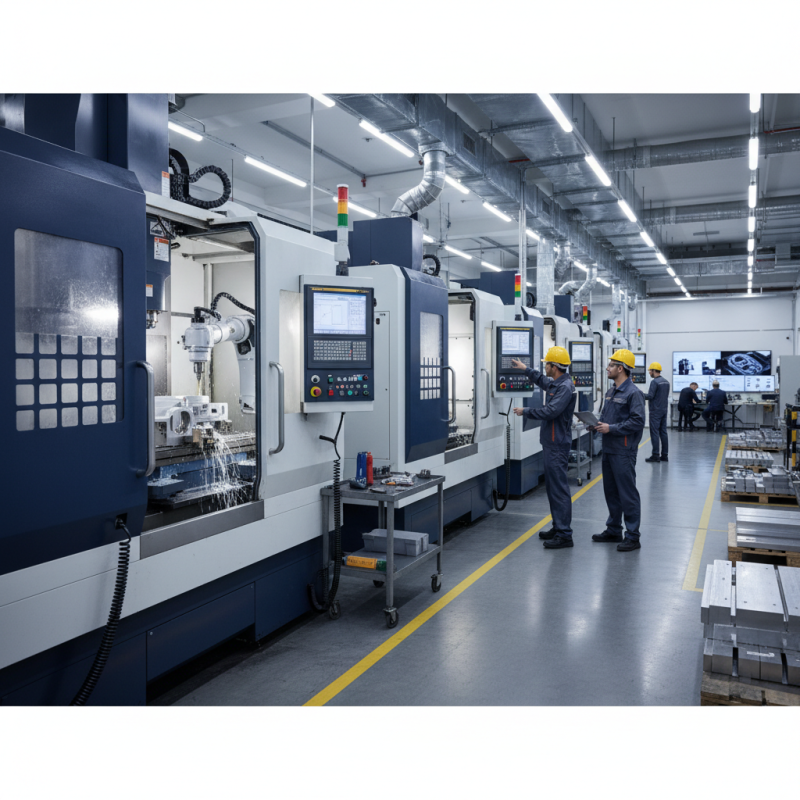
When operating an Aluminum Machine, attention to detail is paramount. Regular maintenance ensures your equipment runs smoothly. Small issues like misalignment or dull tooling can escalate quickly, impacting overall performance. Understanding the machine’s specifications helps in troubleshooting problems effectively.
Additionally, employee training is vital for maximizing efficiency. Skilled operators can identify inefficiencies and suggest improvements. Relying solely on existing processes can hinder innovation. Always evaluate your methods and be open to change. This mindset fosters a culture of continual improvement, benefiting your Aluminum Machine’s performance.
Understanding Aluminum Machining: Key Principles and Processes
Aluminum machining involves several critical principles. Understanding these can lead to better outcomes. Proper tool selection is essential. Different aluminum alloys may require unique cutter geometries. Using the wrong tool can lead to excessive wear and poor surface finish. It's also important to choose the right cutting speed. Higher speeds can sometimes produce better finishes but may also lead to overheating.
Cooling methods deserve attention as well. Effective coolant application prevents overheating and prolongs tool life. Experiment with flood or mist cooling systems. Each method has its pros and cons. Adjustments in coolant flow can lead to noticeable changes in performance.
Finally, it's vital to regularly assess machining processes. Gather data on tool wear and part quality. Analyze this information to identify trends. Continuous improvement depends on understanding what works and what doesn’t. A well-optimized process can significantly enhance production efficiency in aluminum machining.
10 Essential Tips for Optimizing Your Aluminum Machine Efficiency
Enhancing Tool Selection for Improved Aluminum Machining Efficiency
Selecting the right tools is crucial for enhancing aluminum machining efficiency. High-quality cutting tools can significantly affect the overall performance of the machining process. Specialized carbide tools, for instance, offer better wear resistance and longevity. This results in fewer tool changes and reduced downtime.
Understanding the material properties of aluminum is vital when choosing tools. Aluminum is soft and requires specific cutting edges for optimal results. Tools with a sharp, polished surface enable smoother cuts and improved surface finish. This can lead to better final products and increased customer satisfaction.
However, not every tool works perfectly in every scenario. Factors like cutting speed, feed rate, and tool geometry need careful consideration. Some combinations may not yield the desired efficiency. Regularly reviewing and testing different tool options is essential to identify areas for improvement. Embracing this iterative approach can uncover hidden potential in the machining process, driving progress.
Implementing Effective Cutting Parameters for Optimal Performance
When optimizing aluminum machining, effective cutting parameters play a crucial role. Choosing the right feed rate and cutting speed can enhance performance and extend tool life. Every machine setup is unique. It’s essential to experiment with different parameters to find the most effective combinations. Start with moderate settings and make adjustments based on the results.
One common mistake is neglecting the importance of coolant. Proper coolant application can prevent overheating, which leads to faster wear on your tools. Consider using a mixture of water and cutting fluid for better heat management. Regularly monitor the temperature and adjust as necessary.
Another area to reflect on is tool material. Sometimes, operators stick with familiar tools, but different materials can yield better results. Testing various tool types might improve efficiency significantly. Document the outcomes for future reference. Exploring these variables can lead to greater productivity and a more reliable machining process.
Maintenance Practices to Extend Machine Lifespan and Efficiency
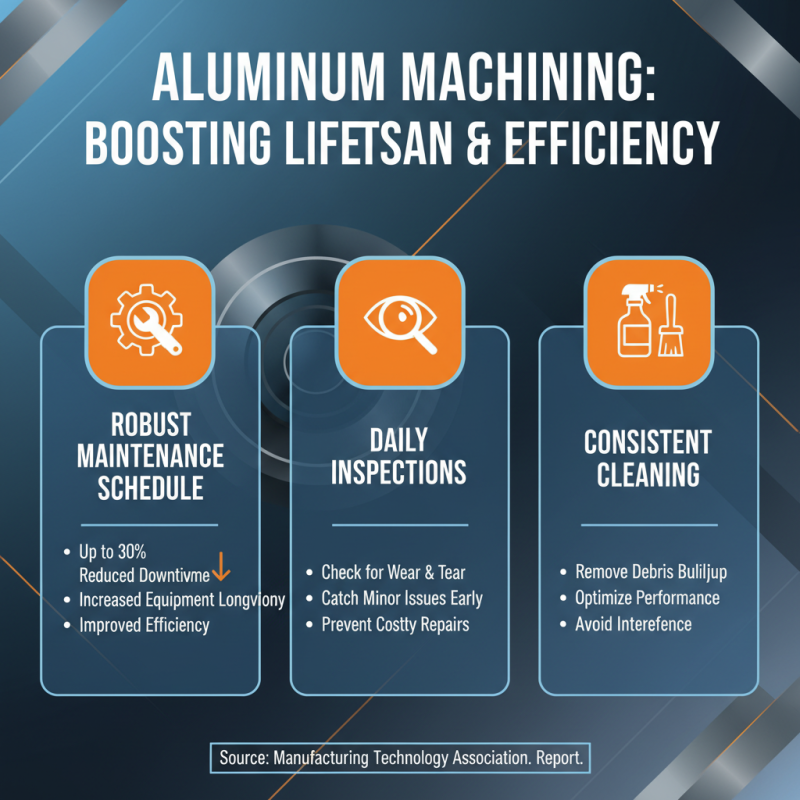
In aluminum machining, regular maintenance can significantly enhance machine efficiency and longevity. According to a report by the Manufacturing Technology Association, equipment that follows a robust maintenance schedule can reduce downtime by up to 30%. Simple practices, such as daily inspection for wear and tear, can catch minor issues before they become costly repairs. A consistent cleaning routine also ensures that debris does not interfere with the machine's performance.
Lubrication is another critical aspect of maintenance. Studies indicate that proper lubrication can extend the life of machine parts by 50%. Using the right lubricants at recommended intervals prevents overheating and minimizes friction. However, many facilities neglect this vital task. As a result, they face unexpected breakdowns, leading to loss of productivity.
Training your staff is equally important. Regular training on maintenance best practices helps reduce human errors. Many operators may overlook small issues due to lack of experience. A report from the Institute of Mechanical Engineers highlights that skilled workers can identify potential problems 20% more effectively. Investing time in staff education can pay off in reduced maintenance costs and improved machine efficiency.
Utilizing Advanced Technologies for Streamlining Aluminum Production
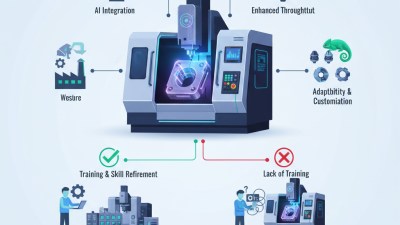
In the aluminum production industry, advanced technologies are transforming machine efficiency. Automation plays a crucial role. A recent report indicates that companies utilizing automated processes can increase efficiency by up to 30%. This surge is a result of reduced manual errors and streamlined workflows. However, many operators still face challenges in integrating these technologies.
Data analytics is another key factor in optimizing operations. Implementing real-time analytics can help identify bottlenecks swiftly. Research shows that firms leveraging data can improve decision-making speed by approximately 40%. Yet, some organizations struggle to adopt these systems effectively. They often lack the necessary training or infrastructure.
Additionally, machine maintenance cannot be overlooked. Predictive maintenance powered by AI can prevent costly downtime. According to industry experts, companies can save up to 25% on maintenance costs when using these methods. Still, many manufacturers do not prioritize maintenance schedules, leading to unexpected breakdowns that disrupt production. Addressing these shortcomings is essential to achieving peak efficiency.
10 Essential Tips for Optimizing Your Aluminum Machine Efficiency
| Tip No. |
Optimization Strategy |
Expected Outcome |
Implementation Difficulty |
| 1 |
Utilize CNC Machines |
Higher precision and reduced waste |
Moderate |
| 2 |
Implement IoT Sensors |
Real-time monitoring and maintenance |
High |
| 3 |
Use of Alloy Improvements |
Enhanced material properties |
Low |
| 4 |
Enhance Cooling Systems |
Reduced cycle times |
Moderate |
| 5 |
Implement Lean Manufacturing Processes |
Minimized waste and improved workflow |
High |
| 6 |
Regular Maintenance Schedule |
Increased machine longevity |
Low |
| 7 |
Train Your Workforce |
Improved operational efficiency |
Moderate |
| 8 |
Integrate Advanced Analytics |
Data-driven decision making |
High |
| 9 |
Upgrade Production Machinery |
Improved speed and efficiency |
Very High |
| 10 |
Optimize Supply Chain |
Reduced costs and time |
High |