2026 Best CNC Gantry Machines for Precision Manufacturing?
The world of precision manufacturing is rapidly evolving. With advancements in technology, manufacturers are increasingly turning to CNC gantry machines. These machines offer remarkable accuracy and efficiency for various operations. The quest for the best CNC gantry models in 2026 highlights the importance of selecting the right equipment for specific needs.
CNC gantry machines come in various designs and specifications. Each has its strengths and weaknesses. Some models excel in speed, while others prioritize precision. It's vital to understand what each machine can deliver. This awareness helps businesses make informed decisions. However, the rapid pace of innovation can also confuse buyers. Not all machines may meet the industry's stringent standards, which require careful scrutiny of features and reliability.
In this exploration, we will examine the top contenders in the CNC gantry machine market for 2026. We'll focus on their capabilities, advantages, and areas for improvement. Many manufacturers overlook potential pitfalls. A deeper understanding can help avoid common mistakes. The right CNC gantry machine can transform manufacturing processes, but it is essential to approach the selection process thoughtfully.
Overview of CNC Gantry Machines in Precision Manufacturing
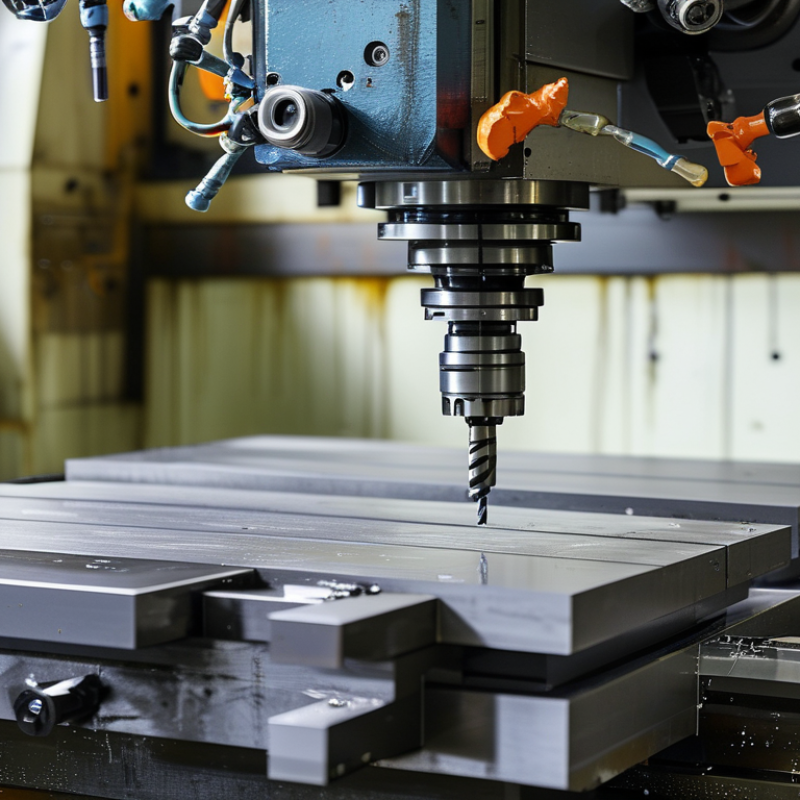
CNC gantry machines play a crucial role in precision manufacturing. They combine advanced technology with adaptability, making them ideal for various applications. According to a recent industry report, the global CNC machine market is expected to grow by over 6% annually, indicating increased demand for precision manufacturing tools. As industries increasingly prioritize efficiency, selecting the right CNC gantry machine becomes essential.
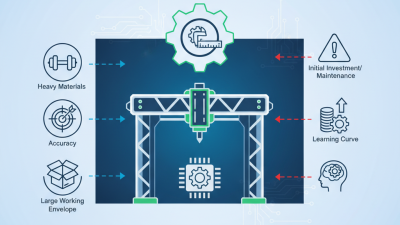
One key aspect to consider is the size of the work area. Larger machines can handle more significant projects but may require more floor space. A report from the Precision Manufacturing Association highlights that companies often underutilize their machines, leading to inefficiencies. Analyzing your operational needs is vital to avoid such pitfalls.
Tips: Always assess machine capabilities against project requirements. Focus on training staff on best practices for optimal machine use. Regular maintenance is non-negotiable for sustained accuracy.
The choice of software also influences precision outcomes. Many machines lack user-friendly interfaces, hindering effective operation. As technology advances, ensuring compatibility and support for software updates is critical. Understanding the limitations can spark ideas for improvement, pushing manufacturers toward better outcomes.
Key Features to Consider for 2026 CNC Gantry Machines
When choosing CNC gantry machines in 2026, several key features come into play. Precision is paramount. Look for machines with high repeatability and minimal backlash. A well-engineered gantry system enhances accuracy. Pay attention to the motion control. Advanced algorithms improve performance, ensuring smooth operation.
Speed is another critical factor. Machines that can achieve rapid traverses without sacrificing accuracy are highly desirable. Consider the materials being used as well. Compatibility with various substrates increases the machine's versatility. The overall build quality should also be evaluated. Sturdy construction supports longevity, but it may add weight, affecting mobility.
Connectivity features matter as well. Modern machines embrace IoT capabilities. This can enhance monitoring and remote operation. However, with more connectivity comes vulnerability. Regular updates to software and firmware are essential. It’s also essential to ensure that technical support is reliable. Assess how easy it is to obtain assistance when issues arise. Ultimately, choosing a CNC gantry machine requires a deep understanding of your specific needs. It’s not just about the features; it's about how they align with your production goals.
2026 Best CNC Gantry Machines for Precision Manufacturing
| Model |
Max Travel (X-Y-Z) |
Spindle Power |
Accuracy |
Control System |
Price Range |
| Model A |
2500 x 1500 x 600 mm |
15 kW |
±0.01 mm |
G-code compatible |
$50,000 - $60,000 |
| Model B |
3000 x 2000 x 800 mm |
20 kW |
±0.005 mm |
Custom control |
$75,000 - $85,000 |
| Model C |
2000 x 1200 x 500 mm |
10 kW |
±0.02 mm |
Standard control |
$30,000 - $40,000 |
| Model D |
3500 x 2500 x 1000 mm |
25 kW |
±0.003 mm |
Advanced control |
$95,000 - $110,000 |
Top Brands and Models in the CNC Gantry Machine Market
When exploring the CNC gantry machine market, several top brands stand out. These machines often emphasize high precision and stability. Each model has unique features catering to specific manufacturing needs. A well-designed gantry system can enhance accuracy, but not all machines meet the same standards.
Many machines exhibit advanced technologies, such as high-speed spindles and intelligent controls. However, users sometimes face challenges in setup and calibration. Some models may require extensive training. Buyers should assess whether the support and resources are adequate for their teams.
In precision manufacturing, even slight inaccuracies can lead to significant issues. Reviewing customer feedback is essential but can be mixed. Some users report excellent performance, while others highlight limitations. Potential buyers must weigh these opinions against their requirements. A balanced approach ensures informed decision-making when selecting a CNC gantry machine.
2026 Best CNC Gantry Machines for Precision Manufacturing
Comparative Analysis of CNC Gantry Machines' Performance Metrics
In precision manufacturing, CNC gantry machines stand out for their ability to deliver high accuracy. The performance of these machines is commonly assessed through various metrics. These include cutting speed, repeatability, and positioning accuracy. Each metric plays a vital role in determining the machine's overall effectiveness.
For instance, cutting speed varies between machines. Some models may excel in high-speed operations, while others focus on precision at slower speeds. Repeatability is also crucial; machines must be able to replicate movements consistently. Fluctuations in these areas can impact the final product's quality. Additionally, positioning accuracy is an essential metric. It's not uncommon for machines to have minor deviations, which can lead to waste and increased production costs.
When analyzing these performance metrics, it's important to reflect on their real-world implications. Data may seem favorable, but it is essential to evaluate how these metrics translate to practical applications. A machine that performs well on paper may not always deliver in a production environment. Users should approach these metrics with a critical eye, weighing the benefits against potential limitations that may arise in everyday use.
Future Trends in CNC Gantry Technology and Manufacturing Efficiency
The future of CNC gantry technology is poised for significant evolution. According to a recent report by Smith & Associates, the CNC machining market is projected to reach $120 billion by 2026. This growth highlights the increasing adoption of precise manufacturing processes across industries.
One trend shaping this future is the integration of artificial intelligence (AI) in CNC operations. AI enhances precision by analyzing data from previous machining tasks. It enables real-time adjustments, which can improve production efficiency by as much as 30%. However, there is a need for industry professionals to be aware of the potential challenges. AI systems require comprehensive training data and ongoing maintenance. Without addressing these issues, companies could face reduced productivity.
Moreover, the implementation of advanced materials is also emerging as a vital trend. Engineers are exploring lighter yet stronger materials for gantry machines. These innovations can lead to reductions in machine weight, thereby increasing speed. Still, there are hurdles. The performance of new materials under high-stress conditions remains under investigation. Manufacturers must ensure that they provide reliable outcomes. Exploring these trends is crucial for boosting overall manufacturing efficiency and maintaining a competitive edge.