Top 10 Vertical Machine Types You Need to Know for Your Industry?
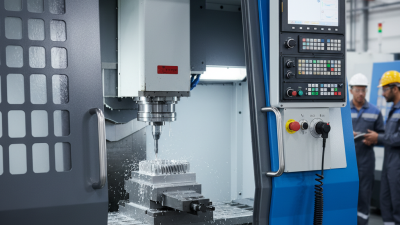
In the rapidly evolving industrial landscape, understanding different types of machinery is crucial. Among these, the Vertical Machine stands out for its versatility and efficiency. This type of machine can be found in various sectors, from manufacturing to construction. Its design allows for better precision and control, making it indispensable for many applications.
As industries grow, the demand for specialized equipment increases. Vertical Machines play a vital role in meeting these needs. Their ability to operate in tight spaces while maximizing output is a game changer. However, there is a learning curve. Selecting the right Vertical Machine can be daunting, even for seasoned professionals.
Exploring the top vertical machine types allows businesses to make informed decisions. With so many options, understanding their unique features is essential. This knowledge can help optimize production and enhance overall efficiency. Embracing innovation in this area can lead to significant improvements, but the journey requires careful consideration and occasional trial and error.
Overview of Vertical Machine Types and Their Industrial Applications
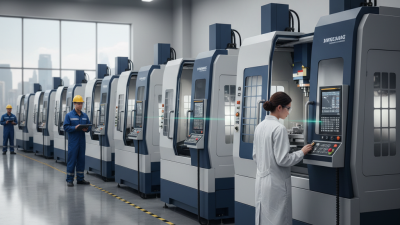
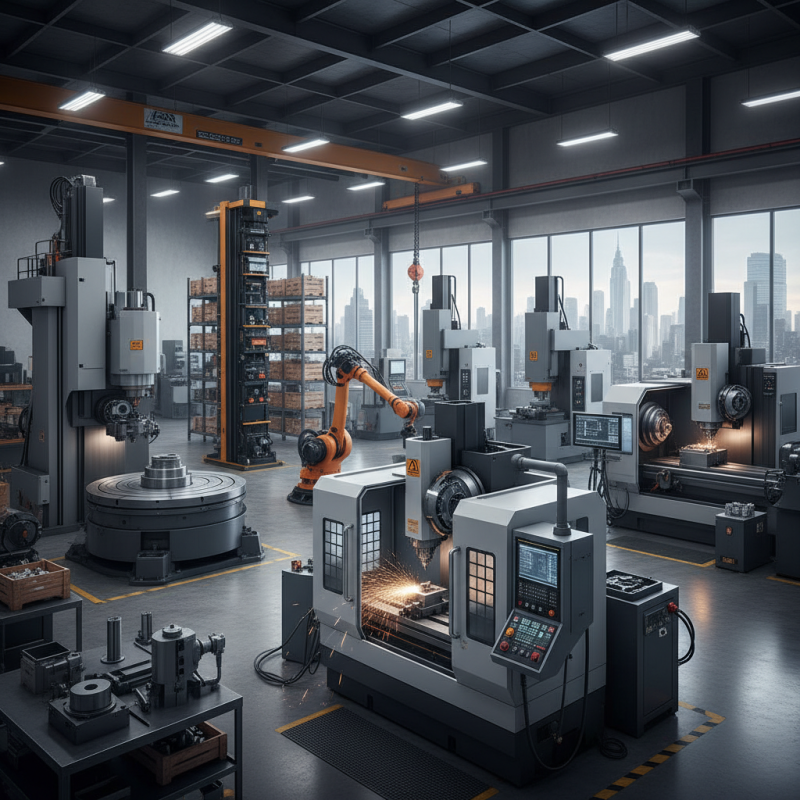
Vertical machines are crucial across various industries, offering unique advantages. They excel in precision and efficiency, which is vital for manufacturing. CNC vertical machining centers stand out for their ability to mill and drill simultaneously. This capability significantly reduces production time and improves accuracy. Operators appreciate the user-friendly interfaces, but mastering advanced features requires training and experience.
In sectors like aerospace and automotive, vertical machines play a pivotal role. They create intricate components that demand high tolerances. However, these machines can also present challenges. For instance, maintaining optimal tool wear can become costly, especially in high-volume production. It's essential for engineers to have a deep understanding of materials and processes. Customization is often required to fit specific operational needs.
Moreover, not all vertical machines suit every use case. Factors such as workspace, part size, and complexity come into play. Companies sometimes find themselves needing to reevaluate equipment choices. Choosing the wrong machine can lead to inefficiencies and increased operational costs. Investing in training for operators can mitigate these issues, but it requires ongoing effort. Understanding each machine's capabilities is key to maximizing productivity.
Benefits of Using Vertical Machines in Manufacturing and Production
Vertical machines play a vital role in manufacturing. They offer numerous benefits that enhance productivity and precision. These machines utilize a vertical orientation, which makes them ideal for tasks such as milling, drilling, and cutting. This design allows for easier gravity-assisted material handling, resulting in improved efficiency.
One significant advantage of vertical machines is their ability to achieve greater accuracy. The vertical setup minimizes the risk of tool drift. Operators can maintain tighter tolerances, leading to higher-quality products. Additionally, vertical machines often feature user-friendly controls. These controls can reduce training time for new operators, allowing companies to transition more smoothly.
However, investing in vertical machines comes with challenges. Initial costs can be high, and maintenance is essential for optimal performance. Companies should weigh these factors carefully. Training and ongoing education for staff are also critical. The right skills can enhance the benefits of these machines, ensuring they meet industry needs effectively.
Top 10 Vertical Machine Types You Need to Know for Your Industry
| Machine Type |
Industry Application |
Key Benefits |
Average Cost ($) |
Maintenance Frequency |
| Vertical Milling Machine |
Metalworking |
High precision machining |
25,000 |
Monthly |
| Vertical Band Saw |
Woodworking |
Smooth, straight cuts |
5,000 |
Bi-Weekly |
| Vertical Injection Molding Machine |
Plastic Manufacturing |
High efficiency and speed |
15,000 |
Quarterly |
| Vertical CNC Lathe |
Automotive |
精确的圆形部件加工 |
30,000 |
Monthly |
| Vertical Grinder |
Tool and Die Making |
Superior surface finish |
40,000 |
Monthly |
| Vertical Laser Cutter |
Sign Making |
High precision cutting |
35,000 |
Weekly |
| Vertical Router |
Composite Materials |
Complex shapes and contours |
20,000 |
Bi-Weekly |
| Vertical Forming Machine |
Sheet Metal Fabrication |
Efficient mass production |
45,000 |
Monthly |
| Vertical Slicing Machine |
Food Industry |
High-speed slicing |
10,000 |
Weekly |
| Vertical Embroidery Machine |
Textile Industry |
Intricate designs with ease |
12,000 |
Monthly |
Key Features to Consider When Choosing a Vertical Machine
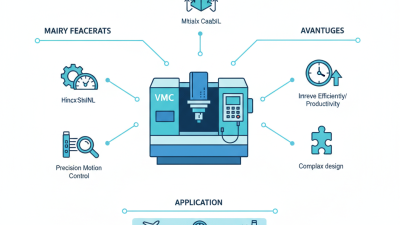
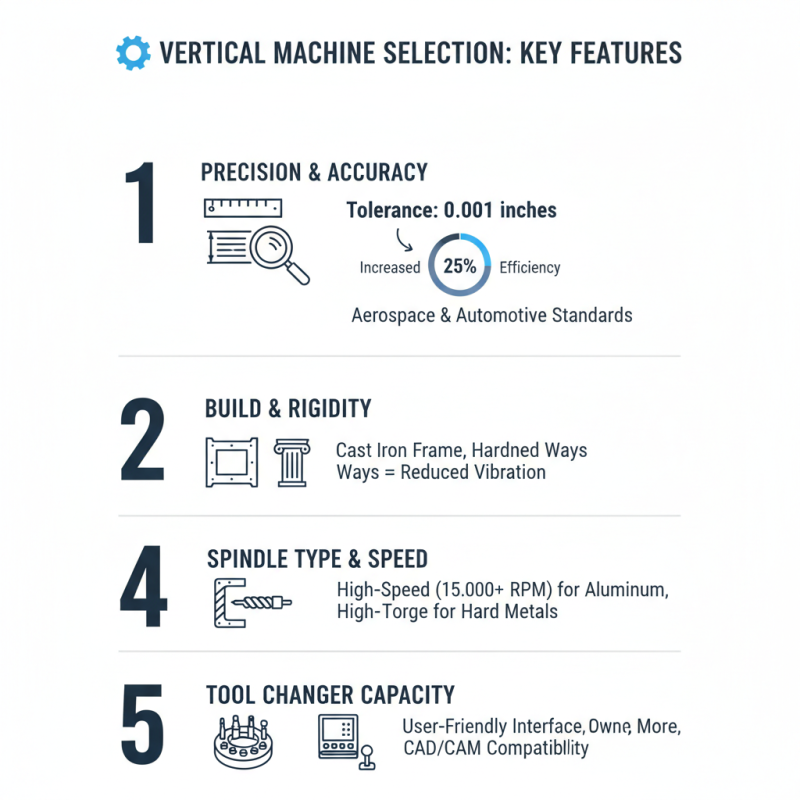
When selecting a vertical machine, there are several key features to consider. Precision and accuracy are paramount. According to a recent industry report, machines with a tolerance of 0.001 inches significantly boost production efficiency by up to 25%. This level of accuracy is essential for industries like aerospace and automotive, where even the slightest deviation can cause major issues.
Another important factor is the ease of use. Many operators prefer machines with user-friendly interfaces. About 70% of surveyed operators indicated that a simple setup process reduced their training time significantly. Control systems should be intuitive, allowing for quicker adjustments. Lastly, durability is critical. Machines made from high-grade materials can last longer, reducing operational downtime. Reports suggest that durable machines can cut maintenance costs by nearly 30% over their lifespan.
While these features are vital, it's crucial to reflect on your specific operational needs. Not every machine will fit seamlessly into your existing workflow. Conducting thorough research and assessments ensures your investment leads to optimal productivity and efficiency.
Comparison of Popular Vertical Machine Types Across Different Industries
Understanding the various types of vertical machines is crucial for efficiency in different industries.
Vertical milling machines are popular in manufacturing. They excel in precision cutting and can handle various materials.
In contrast, vertical bandsaw machines focus on curved cuts and straight line sawing. These tools are essential for crafting intricate shapes.
Tips: When selecting a machine, consider the material and required precision. Each machine type offers specific advantages. Ensure compatibility with your projects.
Moreover, vertical lathes play a critical role in heavy industries. They support large-scale operations and can handle significant weight.
However, maintenance is key to ensure longevity and performance. Ignoring this can lead to costly downtime.
Tips: Regularly inspect the machine for wear and tear. A proactive approach can prevent future issues.
In the healthcare sector, vertical machines are adapted for sterilization processes. They ensure safety and hygiene.
However, not all machines meet stringent regulations. It’s vital to verify compliance with regulations specific to your industry.
Future Trends in Vertical Machine Technology and Adoption Rates
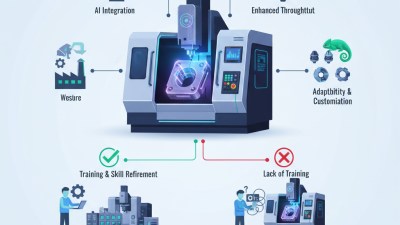
Vertical machine technology is evolving rapidly. Industries are increasingly adopting these machines for enhanced efficiency. Automation and artificial intelligence are major contributors to this trend. Companies are interested in real-time data analytics. They want machines that can predict failures and reduce downtime.
Adoption rates are expected to rise significantly. However, many organizations struggle with integration. Training staff to use new technologies can be challenging. There is also a concern about data security. Companies must ensure that their systems are protected from potential breaches. Customization and flexibility in machine design are becoming essential.
Future trends indicate a push for sustainability. Many vertical machines are now designed with energy efficiency in mind. This is a step towards greener manufacturing practices. Industry leaders must navigate these advancements carefully. Balancing innovation and practicality is crucial for long-term success. As the landscape shifts, organizations need to adapt or risk falling behind.
Top 10 Vertical Machine Types You Need to Know for Your Industry