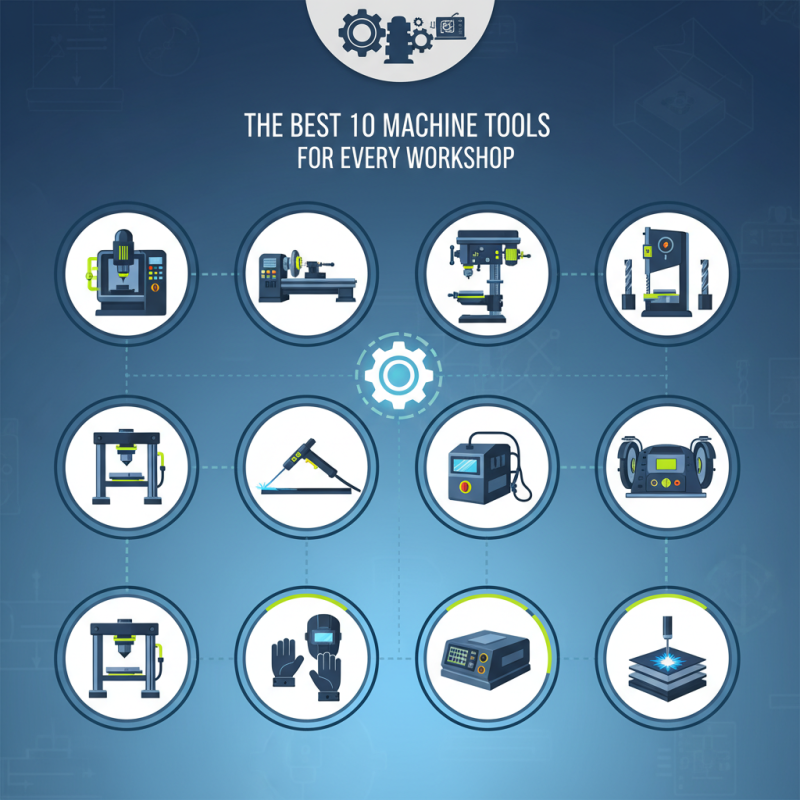
The Best 10 Machine Tools for Every Workshop
In the world of machining, selecting the right machine tools is crucial. John Smith, a veteran in the machine tools industry, once stated, "The right tools can transform your productivity." This captures the essence of why every workshop needs reliable equipment.
Machine tools vary in function and complexity. They can range from simple lathes to advanced CNC machines. Each tool plays a role in the efficiency and quality of the work produced. However, many workshop owners struggle with making the best choices. A one-size-fits-all approach does not apply.
Consider your specific needs and requirements. Not all tools are essential for every task. Some workshops may thrive with basic equipment, while others require more advanced machines. Assessing these factors can lead to better decision-making. Ultimately, investing in the right machine tools should reflect careful consideration and planning.
The Importance of Selecting the Right Machine Tools for Your Workshop
Selecting the right machine tools for your workshop is crucial for productivity.
Poor choices can lead to inefficiency and increased operational costs. A 2021 report by the National Association of Manufacturers indicates that improper tool selection can cause up to a 30% drop in efficiency. This highlights the importance of understanding your specific needs.
Different workshops often require diverse tools. A metalworking shop might need lathes and milling machines, while a woodworking shop benefits from saws and routers. Each tool has unique applications and capabilities. According to a study by the American Society of Mechanical Engineers, investing in the right tools can improve quality and precision, reducing waste by up to 20%.
However, the selection process can be overwhelming. Many workshop owners may prioritize price over quality. This can result in disappointing performance. Tools that are not suited for specific tasks can lead to safety hazards and increased wear and tear. It is essential to analyze long-term costs and performance to make informed choices that support both safety and efficiency.
Top 10 Essential Machine Tools Every Workshop Should Have
Setting up a workshop requires essential machine tools to ensure efficiency and quality. According to industry reports, about 70% of successful workshop setups prioritize core machines. These tools simplify tasks and enhance precision during projects. Having the right equipment is not just about convenience; it’s about maintaining high standards.
One critical tool is the bandsaw. This tool excels in cutting various materials, providing clean edges. The versatility of the bandsaw is invaluable, especially for custom projects. Another must-have is the
milling machine. Its ability to create complex shapes can elevate your woodworking or metalworking tasks significantly. Studies show that shops with a milling machine improve their fabrication speed by nearly 40%.
Tip: Regular maintenance ensures your tools remain reliable. Clean and lubricate them often. Attention to detail can prolong the life of your machines.
Lastly, consider a lathe for cylindrical shapes. Lathes allow for intricate designs and can accommodate various materials. Yet, they require practice to master. Many workshops report that skill development is just as important as having the right tools.
Tip: Invest time in training and resources. Enhancing skills can lead to better project outcomes and greater satisfaction. Balancing tool quality and operator skill is key to workshop success.
In-Depth Analysis of Metalworking Lathes and Their Applications
In modern workshops, metalworking lathes stand as crucial tools. They allow for precision shaping and machining of various materials. According to a recent report from the Manufacturing Technology Association, the demand for lathes has surged by 20% over the past year. This uptrend is attributed to their versatility in different industries.
Using lathes, operators can produce intricate parts with a high degree of accuracy. This is particularly valuable in industries like aerospace and automotive, where mistakes can be costly. But, operators often encounter challenges. For example, improper setup can lead to tool wear or inaccurate cuts. Moreover, the learning curve for beginners is steep.
Despite these setbacks, lathes remain a favorite among experienced machinists. Their ability to create both simple and complex shapes offers a wide range of applications. As technology advances, even more sophisticated models come into play. Nevertheless, the basics of machine operation still require skill and patience. Experts emphasize regular maintenance to ensure reliability and performance.
The Best 10 Machine Tools for Every Workshop
| Tool Name |
Type |
Material Compatibility |
Power (HP) |
Price Range (USD) |
Applications |
| Lathe A |
Metalworking Lathe |
Steel, Aluminum |
5 |
1500-2000 |
Precision Turning |
| Lathe B |
CNC Lathe |
Steel, Brass, Plastics |
7.5 |
3000-4000 |
Complex Part Machining |
| Lathe C |
Manual Lathe |
Aluminum, Nylon |
3 |
500-800 |
Hobby Projects, Small Repairs |
| Lathe D |
Toolroom Lathe |
Steel, Copper |
4 |
1000-1500 |
Repair and Maintenance |
| Lathe E |
Mini Lathe |
Aluminum, Wood |
1 |
200-400 |
Small Craft Projects |
| Lathe F |
Heavy Duty Lathe |
Steel, Titanium |
10 |
5000-7000 |
Industrial Applications |
| Lathe G |
Virtual Lathe |
N/A |
N/A |
Free-100 |
Education and Simulation |
| Lathe H |
Bench Lathe |
Aluminum, Plastic |
2 |
300-600 |
Light Duty Tasks |
| Lathe I |
Digital Lathe |
Metal, Composite |
6 |
1500-2500 |
Prototyping |
| Lathe J |
High-Speed Lathe |
Titanium, Steel |
8 |
4000-6000 |
Medical Equipment Manufacturing |
Comparative Review of CNC Mill Types for Precision Work
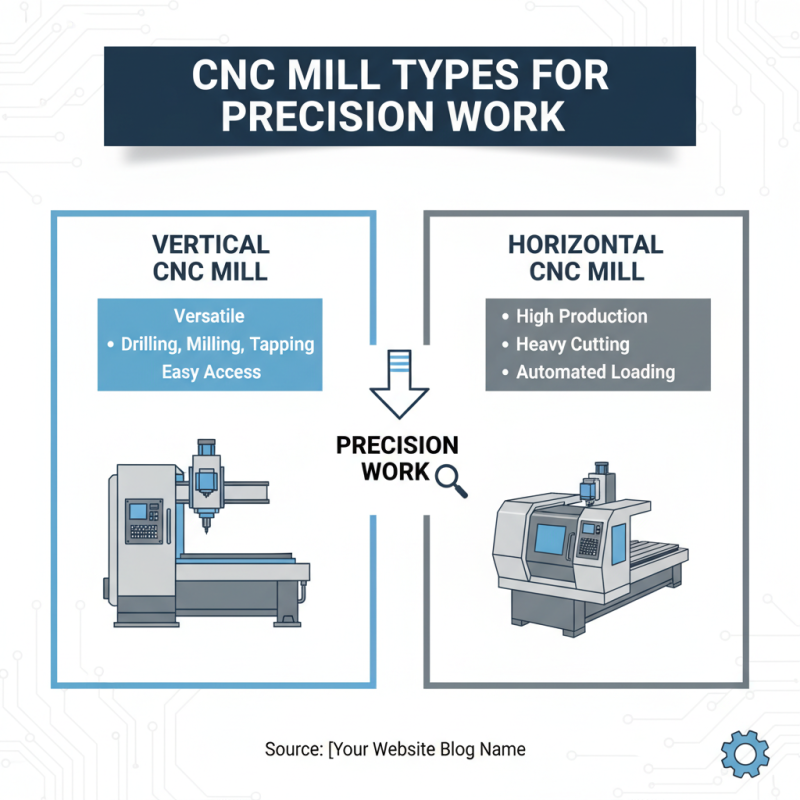
When selecting a CNC mill for precise work, understanding the different types is crucial. Each type serves unique applications. A vertical CNC mill is versatile and ideal for drilling, milling, and tapping. Its upright design allows for easy access, making it a favorite among many machinists.
However, this accessibility can sometimes lead to limitations in space-efficient setups. Horizontal CNC mills, on the other hand, feature a spindle parallel to the work surface. They excel at handling heavy materials and can perform multiple operations simultaneously. This design often results in higher efficiency but may require a larger footprint.
Another common type is the 5-axis CNC mill. This model offers a superior level of precision, allowing for complex geometries in one setup. Yet, beginners may find it challenging. The learning curve can be steep, and operators must master it to avoid costly mistakes. Understanding the nuances of each type can empower workshop owners to make informed decisions, bridging the gap between merely functional machinery and advanced precision work.
Safety Standards and Maintenance Practices for Workshop Machinery
The importance of adhering to safety standards in workshop environments cannot be overstated. According to the National Institute for Occupational Safety and Health (NIOSH), over 400,000 machinery-related injuries occur annually in the U.S. alone. Proper maintenance practices can significantly reduce the risk of such accidents. Regular inspections and well-documented maintenance routines are crucial for ensuring that machinery operates safely and efficiently.
Tips: Always read the manufacturer's manual before using any heavy machinery. This simple action can prevent many accidents. Set up a checklist for daily inspections. Look for loose parts, proper lubrication, and any signs of wear. A proactive approach can save time and lives.
Workshops often overlook the significance of training employees about machinery safety. A 2021 study revealed that 30% of machinery incidents were due to insufficient training. Creating a culture that prioritizes safety can lead to fewer mishaps. Encourage open discussions about safety concerns. Regular training refreshers empower staff to recognize hazards.
Tips: Create a buddy system for new users. Pair them with experienced operators. This promotes hands-on learning and camaraderie. Also, consider investing in safety gear. Having the right equipment, such as gloves and protective eyewear, is essential for mitigating risks.