10 Essential Tips for Mastering Your Vmc Machine?
In the world of machining, mastering the Vmc Machine is crucial. Expert machinist Jane Smith once stated, "Success lies in understanding your tools." This highlights the importance of acquiring the right techniques and knowledge to excel in using a Vmc Machine.
The Vmc Machine, known for its precision and versatility, requires a careful approach. Each point of operation can present unique challenges. For instance, incorrect setup can lead to costly errors. It’s not just about pushing buttons; it’s about being mindful and detail-oriented.
By adopting expert tips, operators can enhance their skills significantly. However, even seasoned professionals can overlook essential practices. Regular training and hands-on experience are vital to achieving mastery of the Vmc Machine. Embracing challenges will only lead to improvement. Each failure offers learning opportunities that contribute to long-term success.
Understanding the Basics of VMC Machines and Their Functions
VMC machines, or Vertical Machining Centers, have become integral in modern manufacturing. They utilize a vertical spindle to perform various machining operations. By understanding their basic functions, users can significantly enhance their productivity. According to a report by the National Tooling and Machining Association, the adoption of VMC technology has increased by 30% over the past five years.
VMC machines excel in precision and speed. They can perform milling, drilling, and tapping tasks efficiently. A study by the International Federation of Robotics indicated that VMCs reduce cycle times by up to 60%. This efficiency means less wasted material and faster turnaround times. However, mastering a VMC requires understanding both its capabilities and limitations. Users often overlook preventative maintenance, which leads to reduced machine life and increased operational costs.
Programming a VMC can also present challenges. New users sometimes struggle with CNC programming, impacting output quality. A survey from the Manufacturing Institute revealed that nearly 70% of operators feel they need more training. This indicates a gap in knowledge that must be addressed. Regular upskilling can help avoid these pitfalls, enhancing overall competency in handling these sophisticated machines. Understanding these nuances is crucial for leveraging the full potential of VMC technology.
Key Features to Look for When Selecting a VMC Machine
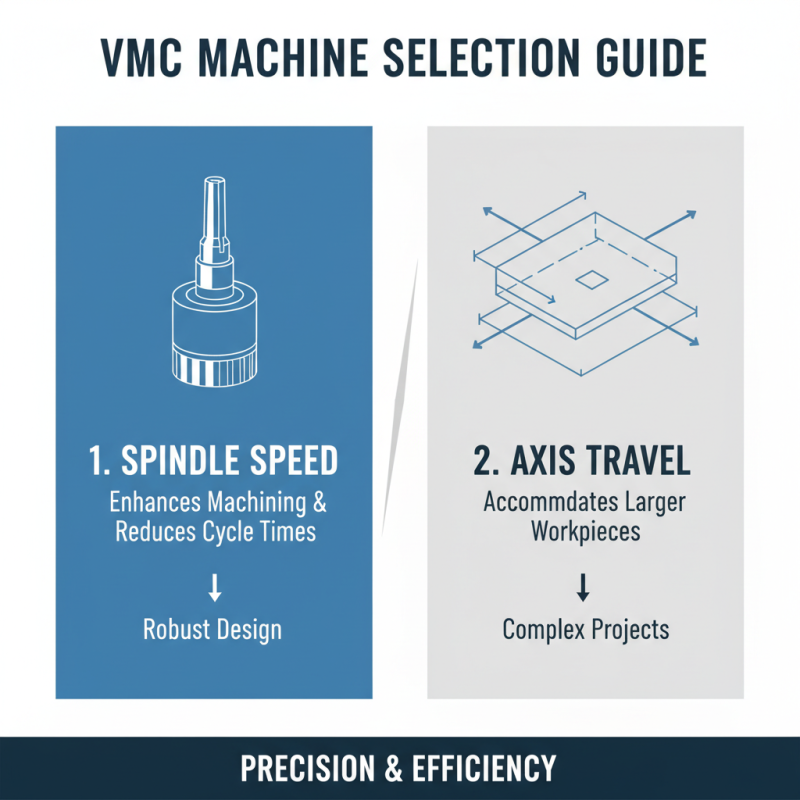
When selecting a Vertical Machining Center (VMC) machine, key features significantly influence precision and efficiency. Consider the spindle speed. A high spindle speed enhances machining operations, reducing cycle times. Look for a machine with robust spindle design to maintain performance over time. Similarly, check the axis travel. Sufficient axis travel accommodates larger workpieces, particularly critical in complex projects.
Beyond specifications, consider the control system. A sophisticated control interface increases ease of use and programming flexibility. Look for features like intuitive software. This can make programming faster and reduce errors. Another important aspect is the tool management system. Efficient tool changers minimize downtime, ensuring production continuity. Evaluate how many tools the machine can hold and how quickly it can switch between them.
Finally, assess the machine's structural integrity. A solid construction minimizes vibrations during operation. This leads to better surface finish and precision. It's crucial to reflect on these elements deeply. Understanding your specific needs can help in choosing the right VMC machine. Seek advice from experienced users and collect insights from industry forums. The right machine can transform production capabilities, but it's essential to weigh all options carefully.
Essential Safety Procedures for Operating a VMC Machine
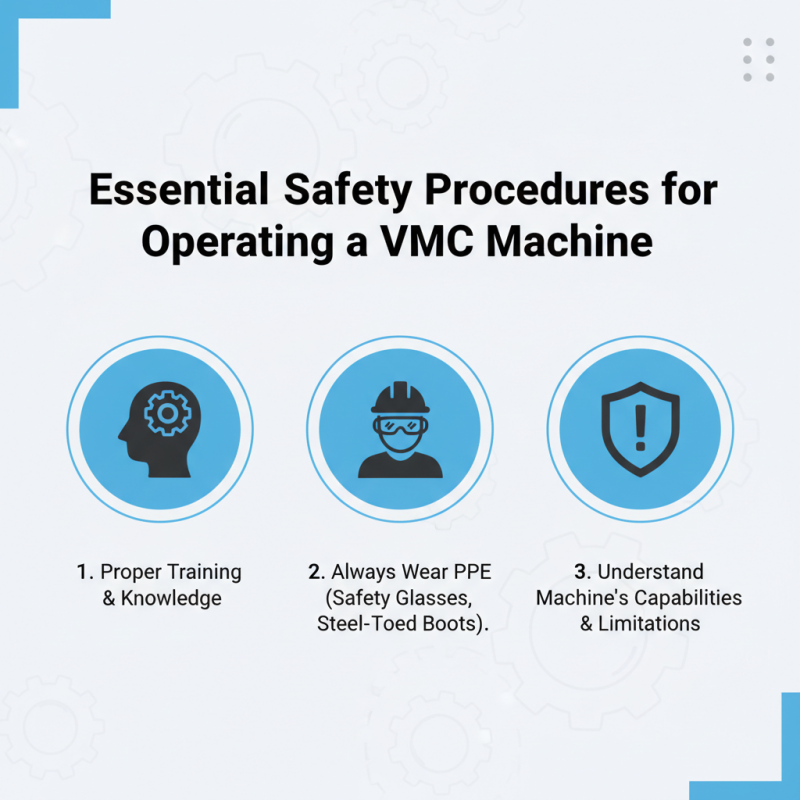
Operating a Vertical Machining Center (VMC) machine requires strict adherence to safety procedures. Proper training is essential before stepping into the environment. Ensure you understand the machine's capabilities and limitations. This knowledge minimizes risks associated with operation. Always wear appropriate personal protective equipment, such as safety glasses and steel-toed boots. It’s critical to shield yourself from potential hazards during machining processes.
Before starting the VMC, inspect the machine thoroughly. Look for loose components or any debris. A clean workspace is crucial for safety. Ensure all tools are accounted for and in good condition. Familiarize yourself with the emergency stop functions. This can save lives in urgent situations. Additionally, maintain a safe distance from moving parts. Accidents often occur when operators are complacent, even after years of experience. Lastly, regularly review safety protocols. Mistakes can happen, and reflecting on them helps reinforce your commitment to safety.
Best Practices for VMC Machine Maintenance and Care
Regular maintenance is crucial for VMC machines. Neglecting upkeep can lead to costly breakdowns. According to industry reports, inadequate maintenance can increase repair costs by up to 40%. Daily checks, such as fluid levels and cleanliness, can enhance machine longevity. Operators should keep a log to track maintenance activities. This promotes accountability and ensures nothing is overlooked.
Lubrication is another key aspect. Under-lubricated machines can experience increased wear. The right amount of lubrication can reduce friction by 30%. However, using too much or the wrong type can also cause issues. It’s vital for operators to review the manufacturer’s recommendations closely to avoid costly mistakes.
Periodic inspections should not be ignored. They can unveil potential problems before they escalate. Reports show that over 25% of machine failures stem from undetected wear or damage. Keeping spare parts on hand can minimize downtime during repairs. Failing to proactively manage these maintenance tasks can lead to missed productivity and revenue loss, which is a persistent challenge in many manufacturing environments.
Common Troubleshooting Techniques for VMC Machine Issues
Troubleshooting VMC machines can often be a daunting task. A recent industry report indicates that nearly 40% of downtime in manufacturing is due to equipment malfunctions. Understanding common issues can help minimize this impact. Noise, vibration, or unexpected stops are typical signs of trouble. These signals often point to maintenance needs. Regular checks can prevent more significant problems.
Another critical area to focus on is software and settings. Approximately 30% of VMC errors stem from incorrect programming. Ensuring that your machine is calibrated correctly is essential. Check for any discrepancies in setup and program parameters before starting work. These small adjustments can save time and costs.
User manuals often contain invaluable troubleshooting guides, but many overlook them. Relying on a standardized approach can help technicians identify issues faster. However, not all users find this method effective. Sometimes, troubleshooting requires a creative approach. Employees should share experiences when they encounter problems. Collaboration can lead to more reliable solutions. According to a survey, companies that encourage team discussions saw a 25% increase in problem-solving efficiency.
10 Essential Tips for Mastering Your VMC Machine
This bar chart illustrates the common issues faced when operating a VMC machine and their respective frequency of occurrence based on industry observations.