2026 Best Gantry Machining Center for Global Buyers?
In the competitive landscape of machining technology, the importance of a reliable Gantry Machining Center cannot be overstated. Experts in the field, like Dr. Alice Johnson, a leading figure at the International Machining Institute, emphasize this point: "The Gantry Machining Center represents the future of precision engineering." Buyers around the globe are now seeking solutions that enhance productivity while ensuring high accuracy.
With various models and features available, the selection process can be overwhelming. More than just a purchase, investing in a Gantry Machining Center involves evaluating capabilities, maintenance, and support services. Buyers must also consider the training required for operators. These factors collectively impact long-term performance and return on investment.
As the industry evolves, the pressure for innovation mounts. Manufacturers face unique challenges in meeting increasing demands for efficiency and versatility. Even the best Gantry Machining Centers are not immune to issues like programming complexities and limited adaptability to new materials. The quest for the ideal model demands careful consideration and awareness of potential pitfalls.

Overview of Gantry Machining Centers
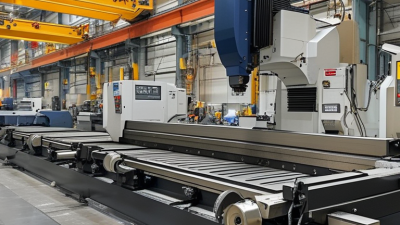
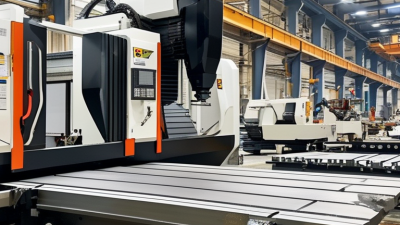
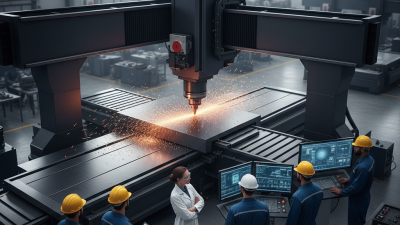
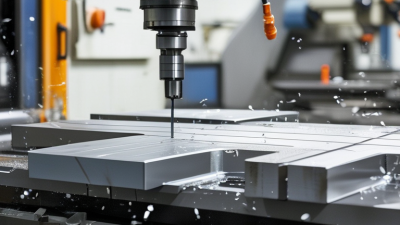
Gantry machining centers are essential in modern manufacturing. They offer precision and flexibility for various applications. These machines excel in handling large workpieces and complex geometries. Their design allows for greater stability and accuracy during machining processes.
Understanding the features of gantry machining centers is crucial for making informed decisions. Look for machines with high-speed spindles and advanced control systems. Pay attention to the size and weight capacity to match your specific needs. Also consider the ease of programming and machine upkeep.
Sometimes, buyers overlook the importance of post-purchase support. Selecting a vendor with reliable service can enhance your operational efficiency. Maintenance plans are vital; they help prevent unexpected downtimes.
Investing in a gantry machining center can significantly boost productivity. However, it is essential to evaluate your long-term requirements. Review your goals, or revisit your choices regularly to ensure alignment with your production needs.
2026 Best Gantry Machining Centers Overview
This chart displays the estimated market share of various gantry machining center features based on user preferences in 2026.
Key Features to Consider in a Gantry Machining Center
When choosing a gantry machining center, several key features can enhance its operational efficiency. Firstly, consider the machine's rigidity and stability. A robust structure minimizes vibrations during machining, leading to improved precision. The weight and balance of the machine play a crucial role in its performance. A well-designed gantry should support heavy workpieces without excessive flexing.
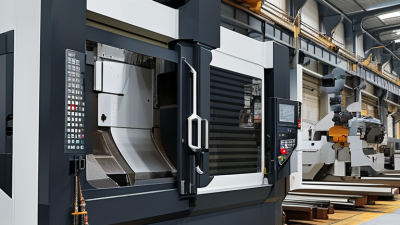
Another vital feature is the control interface. An intuitive control system allows for easier operation and quicker setup times. Look for a machining center that offers user-friendly software with clear instructions. Also, check for advanced features like real-time monitoring and diagnostics, which can help in identifying potential issues before they become major problems.
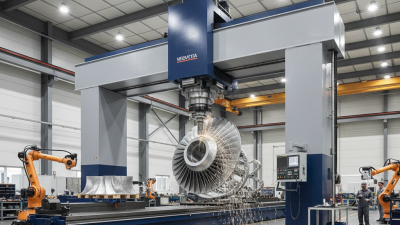
It's wise to evaluate the range of tooling options available. Some gantry machining centers offer versatility in tool types, enabling a broader range of applications. Additionally, consider the machine's compatibility with automation systems. Automated solutions can significantly boost productivity but require a compatible machine structure and software.
Keep in mind that maintenance requirements can impact your operation's efficiency. A machine needing frequent maintenance can disrupt workflow. Evaluate the ease of access for maintenance tasks. Regular upkeep is essential for the longevity and reliability of the equipment. Ultimately, making an informed decision about these key features can lead to better outcomes in your machining projects.
Top Brands and Models of Gantry Machining Centers for 2026
Choosing the right gantry machining center is crucial for manufacturers in 2026. The industry is evolving, and several brands offer superior technology and reliability. According to a recent market research report, the gantry machining center market is expected to grow at a compound annual growth rate of 7.2% through 2028.
When evaluating gantry machining centers, consider precision and versatility. Models featuring multi-axis capabilities can significantly enhance productivity. Pay attention to the machine's load capacity and workspace dimensions. These factors directly affect manufacturing efficiency and product quality.
Operators must also reflect on maintenance needs. Regular upkeep is vital to avoid downtime. Some highly advanced models may require more technical knowledge to operate efficiently. Ensure your team is trained properly to maximize the machine's potential. Manufacturers often overlook this aspect, leading to wasted resources and increased downtime.
Look for user-friendly control systems. Many contemporary models now include intuitive interfaces that simplify operation. This can be critical for reducing training time for new staff. Always conduct thorough research on the latest innovations in gantry machining centers. Staying informed helps buyers make better decisions.
2026 Best Gantry Machining Center for Global Buyers
| Model |
Max Travel (X/Y/Z) |
Spindle Speed |
Weight |
Price Range |
| Model A |
3000 x 2000 x 1000 mm |
12000 RPM |
5000 kg |
$80,000 - $100,000 |
| Model B |
2500 x 1500 x 800 mm |
10000 RPM |
4500 kg |
$50,000 - $70,000 |
| Model C |
4000 x 3000 x 1200 mm |
15000 RPM |
8000 kg |
$120,000 - $150,000 |
| Model D |
3500 x 2500 x 1000 mm |
11000 RPM |
6000 kg |
$90,000 - $110,000 |
Comparative analysis of Price and Performance for Buyers
When considering a gantry machining center, understanding price versus performance is crucial for potential buyers. Many buyers often focus on cutting costs, which can lead to subpar equipment choices. A well-performing machine may come with a higher price tag, but it often pays off with reliability and longevity. For example, paying more for precision ensures better production quality and fewer operational issues.
Performance metrics are key indicators that should not be overlooked. Factors such as speed, accuracy, and build quality can dramatically influence productivity. Buyers should assess their specific needs and match them with the right specifications. Some may find that a less expensive model suffices for lighter workloads, while others require top-tier performance for heavy-duty applications.
It’s also important to consider the support and service available post-purchase. Some machines might offer impressive specs but lack sufficient technical support. This can become a critical issue if problems arise. Researching user reviews can provide insight into both performance and customer service experiences, offering a more comprehensive view for potential buyers.
Future Trends in Gantry Machining Center Technology
Gantry machining centers are rapidly evolving, driven by technological advancements. Future trends showcase a shift towards automation and smarter manufacturing. According to a recent report by ResearchAndMarkets, the gantry machining center market is expected to grow at a CAGR of 5.6% from 2021 to 2026. This growth is fueled by increasing demand in aviation and automotive sectors, where precision engineering is critical.
Integration of IoT and AI will reshape how these machines operate. Smart gantry systems can monitor real-time performance and maintenance needs. This predictive maintenance reduces downtime, increasing overall efficiency. Yet, many companies remain hesitant to adopt these technologies due to high initial costs. The need for skilled personnel to operate advanced systems also poses a challenge.
Consider investing in training programs for your workforce. This ensures they can effectively utilize new technologies. Embracing automation could lead to higher production rates and better quality control. However, businesses must also evaluate their readiness for such shifts. A gradual approach to upgrading equipment and workflow may yield better long-term results.