What Are the Top Types of Aluminum Machines?
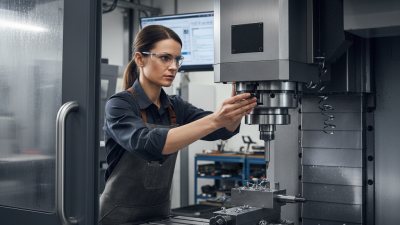
Aluminum is light, workable, and used in products ranging from window frames to vehicle parts. Yet shaping it accurately takes more than a capable operator. The right Aluminum Machine depends on the alloy, part dimensions, required finish, and production volume. This guide introduces common machine types and explains what each one does. A CNC milling machine removes material with rotating cutters, making it useful for slots, pockets, and precise surfaces. An extrusion press pushes heated aluminum through a shaped die to create long profiles. Sawing machines cut stock to length, while laser cutters produce detailed shapes from sheet metal. Each process leaves different marks and requires its own setup.
Other equipment handles forming and finishing. Press brakes bend sheet into channels or enclosures; rolling machines create curves. Deburring and polishing machines smooth sharp edges and visible surfaces. Small details matter. Blade condition, clamping, feed speed, and tool choice can affect cut quality and waste. When comparing machines, check capacity, repeatability, available tooling, maintenance access, and operator training needs. Ask suppliers for specifications and, where practical, sample results using material similar to your own. A machine that suits thin sheet may not handle thick plate efficiently. Even a tidy comparison can miss a shop-floor complication. Real material, tooling, and production demands sometimes reveal gaps that brochures do not. Use the following overview as a starting point, then verify each option against your actual parts and workflow.
Aluminum Cutting Machines for Sizing and Shaping
Aluminum Cutting Machines for Sizing and Shaping
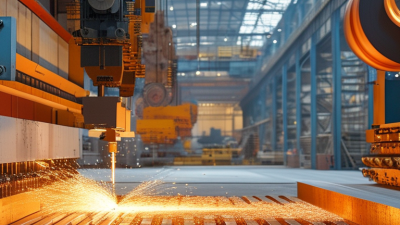
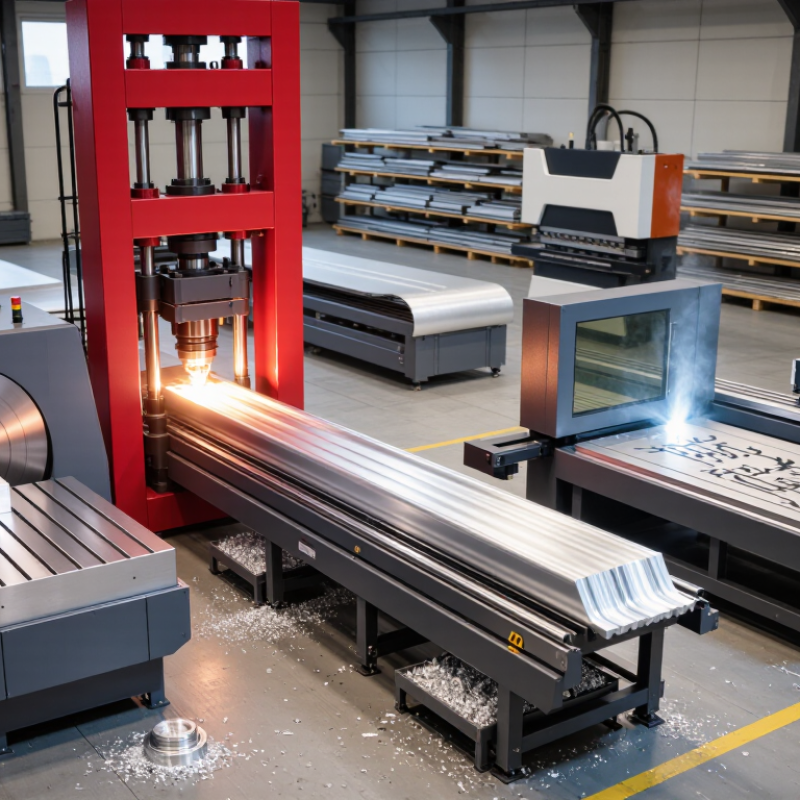
For straight, repeatable cuts, circular saws are common choices for aluminum profiles and bars. Carbide-tipped blades, secure clamping, and suitable feed rates help limit burrs and heat buildup. Bandsaws handle larger sections and varied shapes, while CNC routers cut panels, slots, and curved profiles with programmed accuracy. For thin sheet, laser or waterjet systems can create intricate outlines, though setup, edge finish, and operating cost differ.
The right machine depends on the workpiece, not just its thickness. A long extrusion needs stable support; a narrow panel may need careful hold-down to prevent vibration. USGS Mineral Commodity Summaries 2024 reported roughly 70 million metric tons of global primary aluminum production in 2023. That figure shows the material’s scale, but it does not determine which cutter suits a workshop. Fit matters. Chip collection matters, too. The International Aluminium Institute reports that recycling aluminum uses about 5% of the energy required for primary production. Clean, separated chips can support recovery, but oily or mixed scrap may need extra handling. A fast cut is not always a good cut; I would check burrs and dimensions before raising feed speed.
Top Types of Aluminum Cutting Machines
Qualitative suitability guide for common cutting tasks. Scores are comparative guidance, not measured performance; results depend on alloy, stock thickness, tooling, and machine setup.
Circular saws and shears are commonly used for straight sizing. Band saws handle straight and curved cuts, while CNC routers, laser cutters, and waterjet cutters are suited to profile work. Choose equipment based on the material and cut requirements.
CNC Machines for Precision Aluminum Components
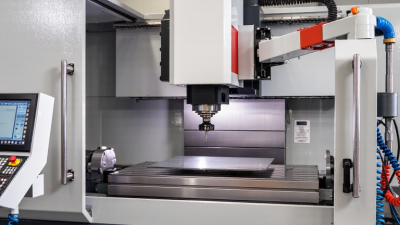
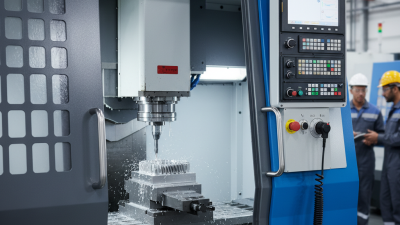
CNC machines turn aluminum stock into precise components by removing material along programmed tool paths. They are useful for housings, brackets, heat sinks, and parts with closely spaced holes. Aluminum cuts readily, but it can also heat up, cling to a tool, or vibrate during machining. These issues may affect surface finish and dimensional accuracy. Stable fixturing, sharp cutting tools, and suitable speeds help control them. Small details matter. A thin wall, for example, may flex under cutting pressure, so tool paths and support need careful planning.
Tips: Confirm the alloy and drawing tolerances before machining. Check tool sharpness, clamp the work securely, and clear chips from the cutting area. Measure critical features during production, not only at the end.
A finished part can look clean and still miss a bore tolerance. That is why inspection should match the component’s function, using calibrated measuring tools and recorded results. Temperature also matters: aluminum expands with heat, so measuring a warm part can mislead. For repeat orders, document the setup and inspection points. Even then, review the process when a design changes; a reliable setup is not automatically reliable for every part.
Aluminum Extrusion Presses for Shaping Profiles
Among the major types of aluminum-processing equipment, extrusion presses are essential for making long profiles with consistent cross-sections. A heated aluminum billet is pushed through a shaped steel die by a hydraulic ram. The emerging metal may form a window frame, rail, heat sink, or structural channel. Small changes in die design can produce very different shapes.
Press capacity, billet temperature, and extrusion speed affect the result. If the billet is too cool, the press may need excessive force, and the profile can develop surface defects. If it is too hot, shape control may suffer. Operators monitor pressure and temperature, while guiding the emerging profile onto a runout table. It moves quickly. Cooling and straightening follow.
The press is only one part of the line. Billet heating, die handling, cooling, cutting, and inspection all influence finished quality. For example, a thin-walled profile may need slower handling to reduce distortion. In practice, setup often takes adjustments; the ideal settings are not always obvious from a drawing. Alloy, profile complexity, and equipment condition all matter. A reliable process records these details and checks dimensions along the length of each profile.
Rolling Mills for Producing Aluminum Sheets and Plates
Rolling mills turn aluminum slabs into sheets and plates through controlled pressure, heat, and repeated passes. Hot rolling reduces thick slabs quickly; cold rolling then improves gauge accuracy and surface finish when thinner sheet is needed. Plate production may use fewer finishing steps, depending on alloy and specification. Mill operators watch roll force, strip temperature, tension, and thickness across the width. A small mismatch can leave visible waviness or uneven edges.
Scale matters. The USGS Mineral Commodity Summaries 2025 estimated world primary aluminum production at about 72 million metric tons in 2024. That figure is not rolled-product output, but it shows the size of the material supply supporting downstream mills. Four-high or six-high stands help control roll deflection, while cooling and lubrication manage heat and surface quality. A perfect surface is not the whole story; production speed, yield, and consistent dimensions must balance. This balance can be harder than it looks.
Tips: Match mill capacity to target alloy, width, and gauge range. Check sample sheets for thickness variation and edge quality. Keep records of roll changes and temperature settings; small adjustments can matter. Don’t assume one setup suits every order.
Casting Machines for Forming Complex Aluminum Parts
Casting machines shape aluminum parts by forcing or guiding molten metal into a mold. For thin walls, ribs, and detailed housings, high-pressure die-casting machines inject metal quickly into a steel die. Controlled injection helps fill narrow features before the aluminum cools. Still, speed alone cannot solve poor venting or an uneven die temperature.
Low-pressure die-casting machines push metal upward from a sealed holding furnace. This gentler flow can reduce turbulence in parts such as wheels and structural components. Gravity die casting is slower, but reusable metal molds suit many sturdy parts with moderate detail. Sand-casting equipment offers more flexibility for large, intricate shapes, though surface texture and dimensional consistency may need extra attention. The right process depends on geometry, production volume, alloy, and tolerances.
Look closely at the machine’s clamping force, shot control, temperature monitoring, and mold-handling setup. A complex aluminum housing, for example, may contain thin ribs beside thick mounting bosses. Those sections cool at different rates, which can create shrinkage or distortion. Trial runs reveal problems that drawings may miss. Even careful setup has limits; a complicated part may need revised gates or a simpler geometry. The trade-off is real. A useful evaluation includes sample castings, inspection data, and notes on cycle stability—not just the machine’s rated capacity.