Top 10 Benefits of Using a Three Axis CNC Machine for Your Business?
In the world of manufacturing, precision and efficiency are paramount. The use of a Three Axis CNC Machine can significantly enhance production capabilities. According to industry reports, the CNC machine market is expected to grow to $117 billion by 2026, reflecting its increasing adoption across various sectors. This growth underscores the critical role of three-axis machines, especially in sectors requiring precise cuts and complex shapes.
Three Axis CNC Machines offer versatility, allowing businesses to handle various materials effectively. They simplify operations, reduce human error, and optimize production times. The ability to automate tasks leads to higher productivity levels. A study by the Association for Manufacturing Technology shows that companies using CNC technology have reported a 30% increase in output. This showcases the reliability of three-axis systems in boosting business performance.
However, the transition to CNC technology is not without its challenges. Initial costs can be high, and staff may need training. Some businesses may hesitate to adapt, fearing the complexity of new systems. Despite these hurdles, the advantages clearly demonstrate that embracing Three Axis CNC Machines is a step toward future-proofing manufacturing processes.
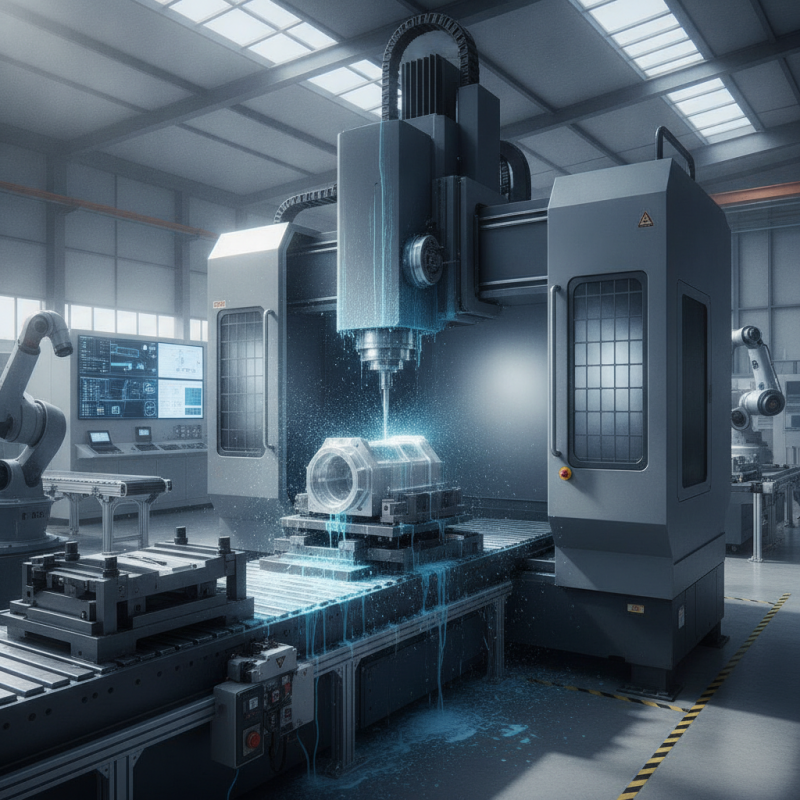
Enhanced Precision and Accuracy in Manufacturing Processes
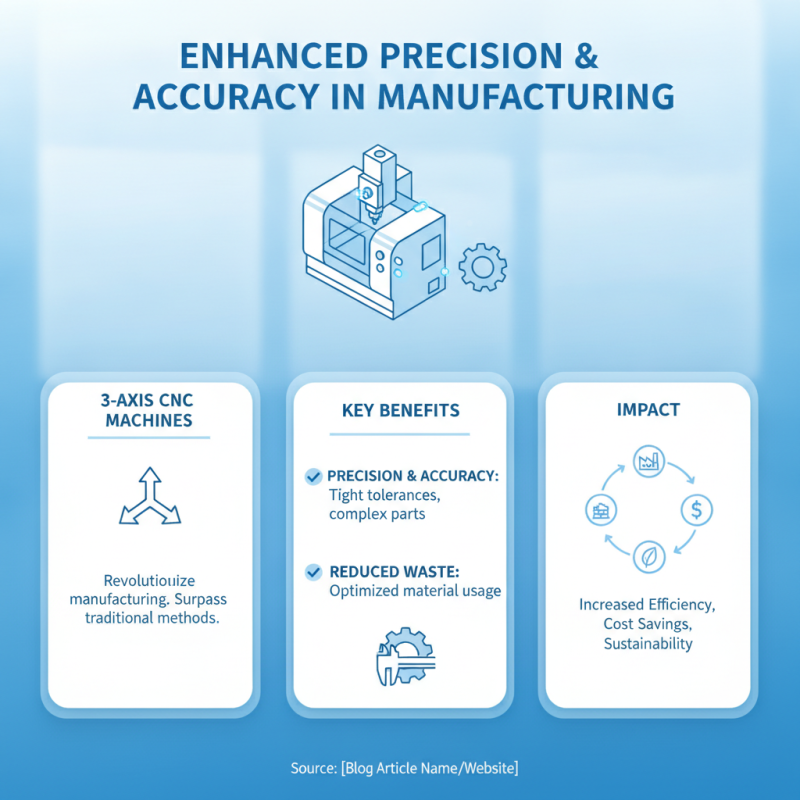
Three-axis CNC machines revolutionize manufacturing. They provide enhanced precision and accuracy that traditional methods struggle to achieve. A well-calibrated three-axis system can create parts with tight tolerances. This precision reduces waste and optimizes material usage.
Moreover, the versatility of three-axis CNC machines allows for producing intricate designs. They can cut, engrave, and mill complex shapes with minimal human intervention. Yet, reliance on technology can lead to occasional errors, such as misalignment or software glitches. Regular maintenance and operator training can help minimize these issues.
Incorporating a three-axis CNC machine can significantly streamline production. It reduces the time needed for setup and adjustments. However, businesses must remain vigilant. Continuous monitoring of output quality is essential to ensure that the promised accuracy is consistently delivered. The challenge lies in balancing technology with human oversight.
Increased Production Speed and Efficiency
Using a three-axis CNC machine can significantly enhance production speed and efficiency in various sectors. According to the National Association of Manufacturers, companies employing advanced CNC technology report up to a 30% increase in productivity. This improvement stems from the machine's ability to execute complex designs with high precision and minimal downtime. The capability to run multiple operations in one setup saves both time and labor costs.
Here are some tips to maximize efficiency:
- Ensure regular maintenance of your CNC machine to avoid costly breakdowns.
- Establish clear programming protocols to eliminate errors and reduce setup times.
- Training employees on best practices can lead to better utilization of the machine's features.
As valuable as these tools are, it is essential to be aware of the learning curve involved. Improper use may lead to defective products, wasting materials and time.
Moreover, incorporating three-axis CNC machines can lead to a more streamlined production process. The reduction in manual labor not only speeds up the operations but also reduces human errors. Yet, reliance on automation can create challenges. Teams need to adapt to new workflows and continuously evaluate their processes. Embracing feedback and making necessary adjustments can turn these challenges into opportunities for improvement.
Versatility in Material Handling and Design Capabilities
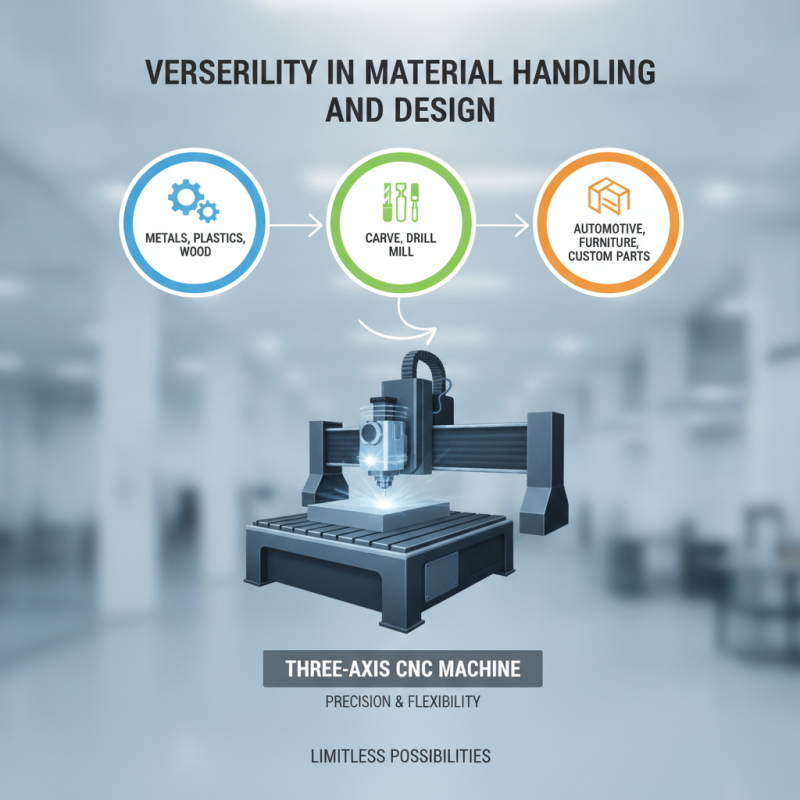
In today's manufacturing landscape, a three-axis CNC machine offers significant versatility in material handling and design capabilities. These machines allow operators to carve, drill, and mill various materials, including metals, plastics, and wood, with precision. This flexibility helps businesses produce diverse products, catering to different markets. Imagine creating customized parts for automotive applications or unique designs for furniture. The possibilities are limitless.
However, the learning curve can be steep. Operators may face challenges in mastering the software and understanding machine settings. A well-designed part may fail due to improper tool selection or speed settings. Testing different materials can yield unexpected results. This trial-and-error process is crucial for honing skills. Investing time in training ensures operators leverage the full potential of the machine.
Design capabilities expand significantly with three-axis CNC systems. Complex geometries and intricate features can be crafted efficiently. This technology enhances creativity and innovation in product design. Yet, balancing creativity with functionality can be difficult. Designs that look good on paper may not perform well in practice. Regular feedback and adjustments are necessary to avoid pitfalls.
Reduction of Setup and Labor Costs
In recent years, businesses have increasingly adopted three-axis CNC machines to streamline operations. One major benefit is the significant reduction in setup and labor costs. According to the National Association of Manufacturers, the average manufacturing labor cost accounts for nearly 20% of total production costs. By minimizing the need for manual setup, companies can allocate resources more efficiently.
Using three-axis CNC machines allows for quicker transitions between different tasks. For example, a recent industry study indicated that companies employing CNC technology reported a 30% decrease in production time per job. Less time spent on setup translates to greater output. This efficiency is crucial in today’s fast-paced market, where timelines are tight and meeting deadlines is essential.
However, it's important to recognize the learning curve associated with adopting this technology. Employees may need training to fully leverage machine capabilities. Without proper guidance, initial productivity might dip. Yet, once mastered, the benefits can outweigh the initial hardships. The investment in training could lead to more skilled labor and increased job satisfaction. An informed approach to using these machines can yield lasting advantages for manufacturers.
Top 10 Benefits of Using a Three Axis CNC Machine for Your Business
Improved Product Quality and Consistency through Automation
In modern manufacturing, automation has revolutionized how products are created. A three-axis CNC machine exemplifies this change. By automating processes, businesses can ensure product quality and consistency. These machines offer precise control over materials, significantly reducing errors.
The precision provided by CNC technology leads to higher quality outputs. Each piece can match specifications perfectly, which builds trust with clients. Consistency is vital; customers expect uniformity in products. However, implementing such technology requires careful planning and training. Mistakes in setup can lead to inconsistencies that impact the final product.
While the advantages are clear, there are challenges in adopting CNC methods. Staff needs proper training to operate machines effectively. Initial costs can be high, which may deter some businesses. Investing in a three-axis CNC machine is significant, and assessing its long-term benefits is crucial. Balancing cost and quality remains a delicate task for many manufacturers.