2026 Top Three Axis Cnc Machine Innovations and Trends?
In the rapidly evolving landscape of manufacturing, the Three Axis CNC Machine stands out as a pivotal technology. As we approach 2026, innovations and trends in this field are crucial for industry professionals. John Anderson, a leading expert in CNC machining, emphasizes, “Embracing new technologies in Three Axis CNC Machines can revolutionize production efficiency."
This statement encapsulates the sentiment within the industry. There is a growing need for advanced capabilities. Companies explore improvements in software integration, automation, and user-friendly interfaces. These enhancements not only streamline operations but also improve precision and reduce waste.
Nevertheless, the journey is not without its challenges. Many businesses face hurdles in adapting to these innovations. Skill gaps and resistance to change can hinder progress. Despite these obstacles, the potential benefits of embracing new trends in Three Axis CNC Machines continue to drive innovation forward.
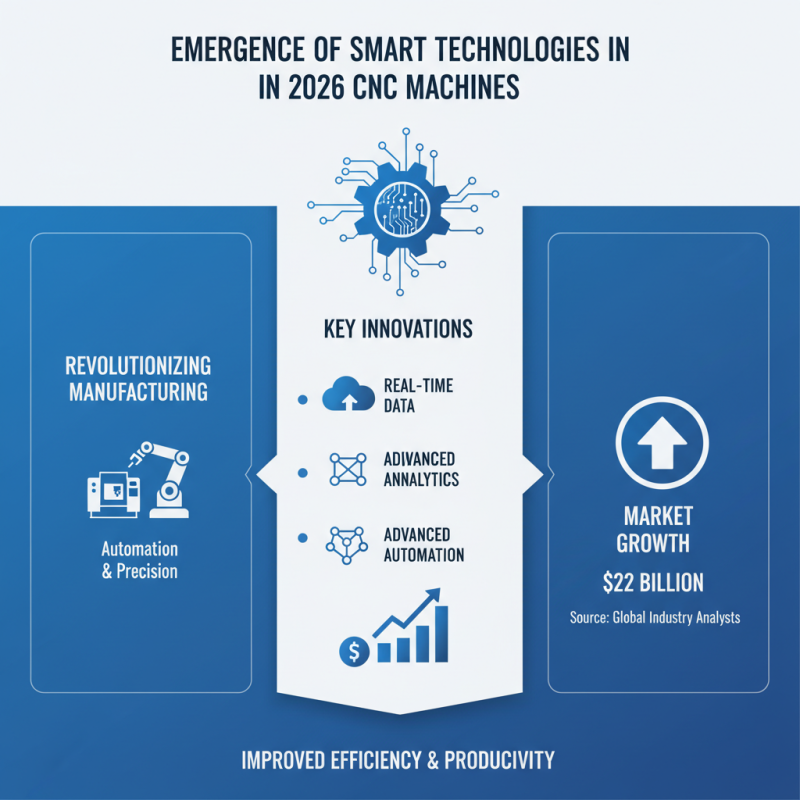
Emergence of Smart Technologies in 2026 CNC Machines
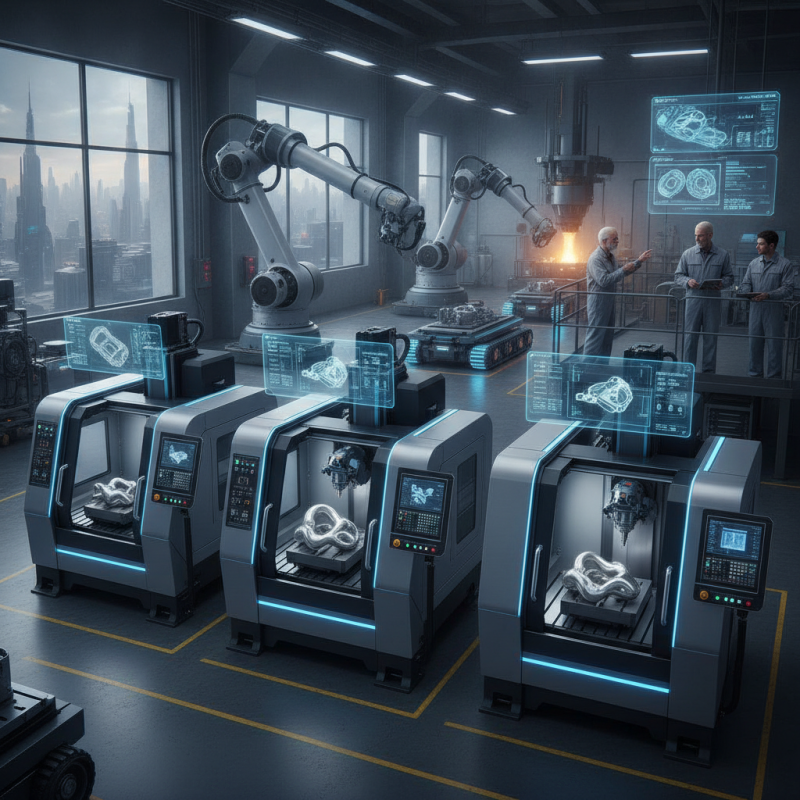
The integration of smart technologies into CNC machines is revolutionizing the industry in 2026. Emerging innovations focus on automation and real-time data analysis. According to a report by Global Industry Analysts, the smart CNC market is expected to grow significantly, reaching $22 billion by 2026. This growth is driven by the demand for improved operational efficiency and precision.
Cloud computing and IoT are at the forefront of these advancements. Machines now collect and analyze performance data continuously. This capability allows manufacturers to optimize processes and predict maintenance needs accurately. Companies report a 15% increase in productivity due to smart monitoring systems. However, cybersecurity risks need reflection. As machines connect to the cloud, potential vulnerabilities arise, urging manufacturers to enhance their security protocols.
Artificial intelligence is also making waves. Machine learning algorithms can adapt to production changes quickly. This flexibility could lead to faster turnaround times, yet challenges persist. Not all companies have the resources to implement these technologies effectively. The digital divide may widen between industry leaders and smaller players. Addressing these gaps will be crucial for equitable growth in CNC manufacturing.
Integration of Artificial Intelligence in CNC Machining Processes
The integration of artificial intelligence (AI) in CNC machining processes is revolutionizing the manufacturing landscape. Reports indicate that by 2026, up to 40% of CNC machines will adopt AI technologies. This transition aims to enhance precision and efficiency, yet it introduces new challenges. For instance, relying solely on AI for decision-making may overlook nuanced human expertise essential in complex scenarios.
AI systems can optimize machining parameters in real time, adapting to varying materials and conditions. This leads to reduced waste and improved cycle times. However, implementing AI is not without its risks. Data security concerns arise as CNC machines become more interconnected. Organizations must prioritize secure data management to mitigate potential breaches.
Tips: Train staff on new tech. Regular assessments can help identify gaps in skills. Furthermore, consider the blend of human insight and AI. An ideal approach often combines machine learning with human oversight, ensuring optimal outcomes while retaining the critical touch of human judgment.
2026 Top Three Axis Cnc Machine Innovations and Trends
| Innovation/Trend |
Description |
Impact on CNC Machining |
Adoption Rate (%) |
| AI-Driven Predictive Maintenance |
Utilizing AI algorithms to predict machine failures and schedule maintenance before breakdowns occur. |
Significantly reduces downtime and maintenance costs, enhancing operational efficiency. |
70% |
| Smart Automation in CNC Operations |
Integration of smart robotic systems to automate CNC machining processes, improving speed and accuracy. |
Increases production rates and reduces human error, leading to higher quality outputs. |
65% |
| Advanced Material Compatibility |
Development of CNC machines capable of working with a wider range of advanced materials, including composites and metals. |
Expands applications in various industries like aerospace, automotive, and medical. |
60% |
Advancements in Materials for Three Axis CNC Machines
The advancements in materials for three-axis CNC machines are revolutionizing the machining landscape. Especially notable is the shift towards lightweight composites. These materials enhance efficiency by reducing machine load. They also allow for intricate designs that were once considered too challenging. The incorporation of advanced polymers is noteworthy as well. These materials show excellent durability and resistance to wear.
Tips: Consider experimenting with different materials. They can significantly impact the final product's quality. Always review your choices based on project needs.
Metal alloys have also seen improvements. New high-strength alloys present opportunities for innovations in aerospace and automotive industries. These materials make parts lighter while maintaining structural integrity. However, machining such materials requires upgraded tools and techniques. Challenges in the process can lead to trials and errors.
Tips: Make sure to invest in proper training for your team. Understanding new materials will enhance production quality. A well-informed team can navigate complex machining processes effectively.
2026 Top Three Axis CNC Machine Innovations and Trends
The chart below illustrates the advancements in materials for three-axis CNC machines, highlighting the percentage of usage of various materials in 2026.
Sustainability Trends in CNC Machine Manufacturing
Sustainability has become a significant priority in
CNC machine manufacturing. Many companies are exploring innovative practices to reduce environmental impact.
This move aligns with global demands for greener technology. Using renewable energy sources is one approach gaining traction.
Solar and wind power can help reduce reliance on fossil fuels.
Moreover, improving energy efficiency in CNC machines is essential.
Manufacturers are designing machines that consume less power during operation.
This transformation requires investment but offers long-term savings.
Recycling materials in the production process is another promising trend.
It not only minimizes waste but also conserves resources.
However, challenges remain. The upfront cost of adopting sustainable practices can be high.
Not all companies have the resources to invest in new technologies swiftly.
Additionally, some may struggle to find reliable suppliers for eco-friendly materials.
As the industry progresses, fostering a culture of sustainability will take time.
Companies need to prioritize their commitment to the environment while balancing productivity and profitability.
User-Centric Design Innovations in CNC Machinery
User-centric design is vital in CNC machinery innovation. As manufacturers aim for higher productivity, understanding user needs becomes essential. Ergonomics, ease of use, and accessibility are key components to consider. A machine that prioritizes user experience can drastically reduce training time and increase efficiency.
One trend is the integration of touchscreens. These interfaces simplify operations for users. Touchscreens can display real-time data, alerts, and settings adjustments. This reduces complexity and allows for quick adaptations during machining processes. However, transitioning from traditional controls can be challenging for some operators. Often, familiarity with older systems is hard to let go.
Tips: Always seek user feedback on new designs. This feedback can identify pain points and areas for improvement. Continuous iteration based on user experience can lead to a more refined product. Additionally, consider incorporating customizable features. This can accommodate diverse skill levels among operators.
Another aspect of user-centric design is software. Intuitive software enhances machine functionality. It can streamline tasks from setup to maintenance. However, software updates must be carefully managed. Frequent changes can confuse users who rely on stable interfaces. Balancing innovation with user comfort is crucial for success.