How to Use a Three Axis Cnc Machine for Precision Engineering Projects?
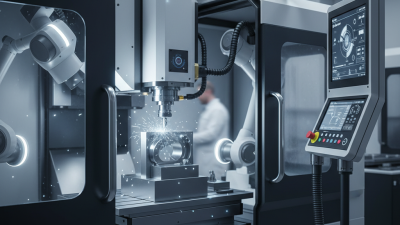
The Three Axis CNC Machine has transformed precision engineering. This technology plays a crucial role in various industries, from aerospace to automotive. According to a report by Grand View Research, the global CNC machining market is projected to reach $100 billion by 2025. Such growth highlights the increasing reliance on advanced machinery for intricate designs and manufacturing efficiency.
Expert John Smith, a leading figure in CNC technology, emphasizes, “The precision of a Three Axis CNC Machine can define the quality of the final product.” His insights remind us that while these machines enhance production, understanding their capabilities is vital. Many engineers face challenges when upgrading or integrating CNC systems into existing operations.
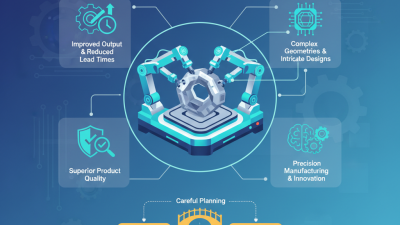
Accuracy and speed are paramount, yet they are not without limitations. A Three Axis CNC Machine may struggle with complex geometries that require multi-axis capabilities. Thus, careful planning and design considerations are essential to maximize the benefits of this technology. Engaging with experts and continuous training can elevate skill levels, thereby reducing costly mistakes in production.
Understanding the Basics of a Three Axis CNC Machine
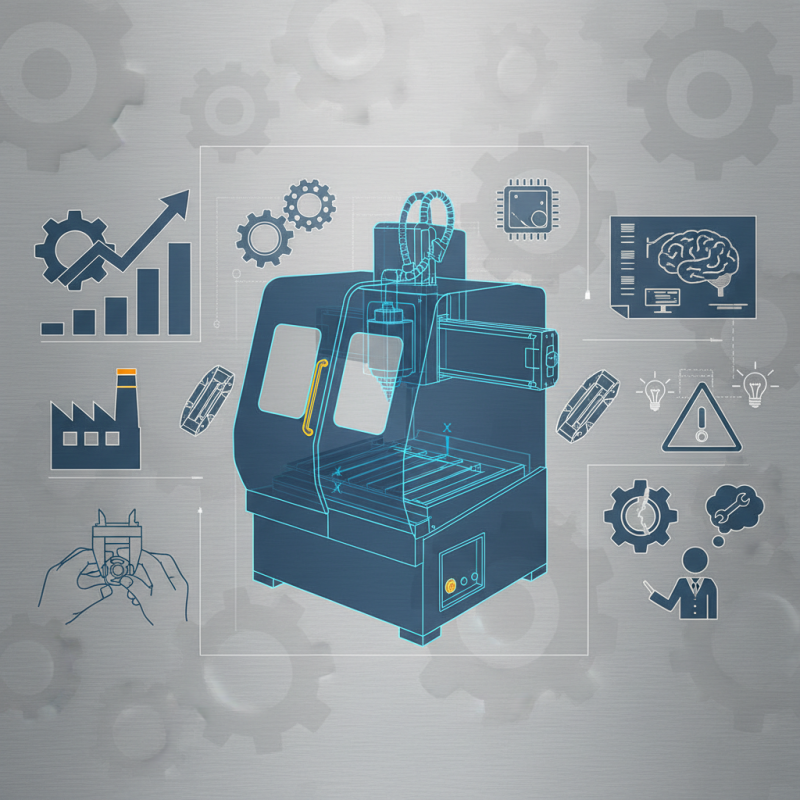
A three-axis CNC machine is a powerful tool in precision engineering. Understanding its basics is crucial for effective use. These machines operate on three axes: X, Y, and Z. The X and Y axes move horizontally, while the Z axis controls vertical movement. This simple design allows for complex shapes and patterns to be crafted with high accuracy.
When using a three-axis CNC machine, the setup process is vital. Properly securing the material ensures stability during cutting. Any movement can lead to errors. Moreover, programming the machine can be challenging. Familiarization with the software is necessary to improve efficiency. Often, users encounter difficulties in creating the perfect design file. Adjustments may be required to fine-tune the output.
While three-axis machines are versatile, they have limitations. Intricate designs might require additional axis capabilities. Reflecting on these challenges can lead to better project outcomes. Engaging with the CNC community can offer insights. Sharing experiences might reveal techniques for overcoming obstacles. Each project teaches valuable lessons, emphasizing the importance of continuous learning.
Precision Engineering Projects Using a Three Axis CNC Machine
Essential Components of a Three Axis CNC Machine
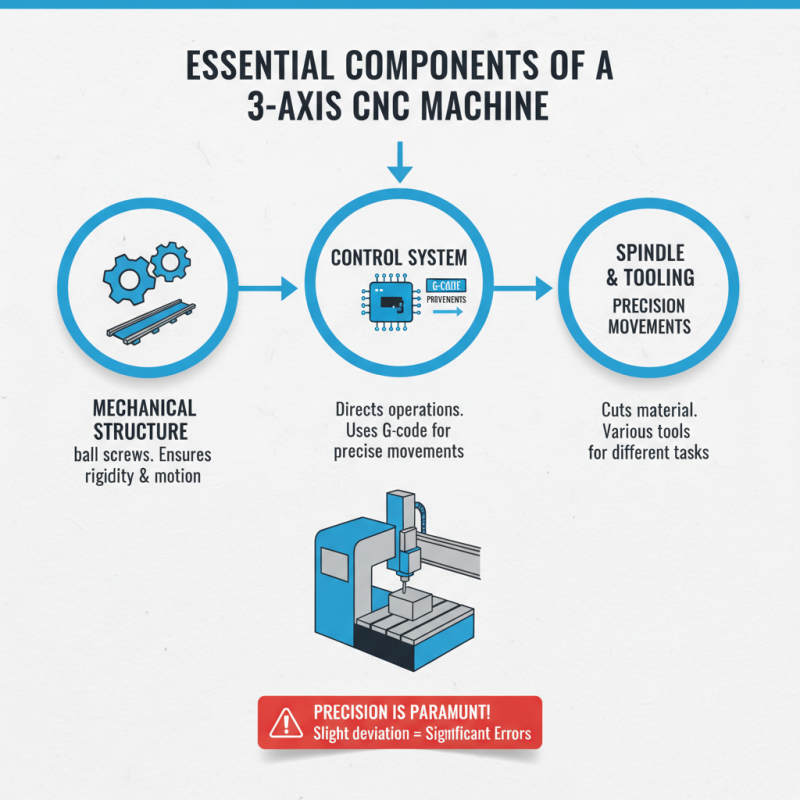
The three-axis CNC machine is essential in precision engineering. Its core components play a critical role in its functionality. The control system directs the machine's operations with high accuracy. Typically, a CNC controller uses G-code, which specifies every movement. Precision is paramount, as reports indicate that even a slight deviation can lead to significant errors in production.
Next, the linear guides support movement along the X, Y, and Z axes. High-quality guides provide smoother motion and reduce friction. For instance, a recent survey found that using premium linear guides can improve machining accuracy by over 15%. The spindle is another key part. It holds and rotates the cutting tool. The spindle speed significantly affects material cutting efficiency. Research highlights that higher speeds often yield better finishes but can increase wear on tools.
While three-axis CNC machines offer numerous advantages, there are areas where users must exercise caution. Overloading the machine can lead to mechanical failures. Users also need to ensure proper maintenance. A lack of regular checks can compromise the machine's performance. In precision engineering, every detail matters, and overlooking these aspects can be costly.
Step-by-Step Guide to Setting Up Your CNC Machine
Setting up a three-axis CNC machine requires careful preparation and precision. Start by ensuring that your workspace is clean and organized. Place the CNC machine on a stable surface. This will minimize vibrations during operation. Next, secure your machine's power supply. This is crucial for safety. Once powered, check that all components are properly connected.
After everything is connected, it’s time to calibrate the machine. Use a dial indicator to ensure the axes move smoothly. This step is often overlooked. If misaligned, adjustments may be necessary. Remember, each machine can have unique quirks. Regularly review your settings to maintain accuracy.
Now, upload your design file to the CNC software. Make sure the file is compatible with the machine's operating system. This prevents any processing errors later on. Before starting the cutting process, conduct a dry run. This means running the program without the material. It helps you visualize the operation and identify any potential issues. Ensure you monitor the entire process. While mistakes can happen, they are part of the learning curve. Stay mindful of each step, and don’t rush through the setup.
How to Use a Three Axis CNC Machine for Precision Engineering Projects
| Step |
Description |
Tools Required |
Estimated Time |
| 1 |
Gather necessary tools and materials |
CNC machine, tools, materials |
1 hour |
| 2 |
Set up the CNC machine |
Screwdriver, Level |
2 hours |
| 3 |
Install the CAM software |
Computer, CAM software |
30 minutes |
| 4 |
Create a design for the project |
CAD software |
3 hours |
| 5 |
Convert design to G-code |
CAM software |
1 hour |
| 6 |
Test the machine with a sample run |
Test material |
1 hour |
| 7 |
Run the final project |
CNC machine, final material |
Varies |
Techniques for Achieving Precision in CNC Machining
In precision engineering, the accuracy of a three-axis CNC machine is vital. Proper setup and calibration can enhance machining results significantly. Focusing on technique is essential for achieving desired precision. One key aspect is the selection of cutting tools. The right tools complement different materials, improving finish and accuracy.
Tips: Ensure your tools are sharp. Dull tools can create excess heat and lead to imprecise cuts. Regularly inspect and replace worn-out tools to maintain high-quality outputs.
Another technique involves optimizing feed rates and spindle speeds. These settings greatly influence the outcome of your project. Too fast can lead to inaccuracies, while too slow might affect efficiency. Experimentation is necessary to find the sweet spot for your specific project.
Tips: Conduct small test cuts before the main project. This practice helps assess the machine’s performance and refine your settings without wasting materials.
Additionally, maintaining a clean workspace is crucial. Dust and debris can interfere with precision. Regular cleaning routines should be implemented as part of your machining process. It’s a seemingly simple step, yet it can reduce errors significantly in the final product.
Common Applications of Three Axis CNC Machines in Engineering Projects
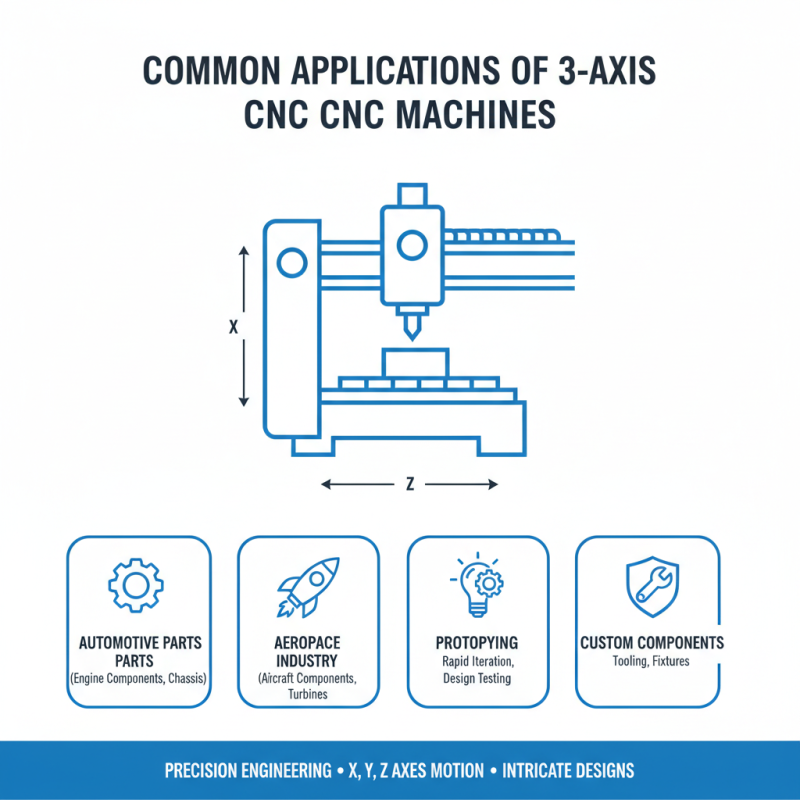
Three-axis CNC machines are essential in precision engineering. Their ability to move on X, Y, and Z axes allows for intricate designs. Common applications include machining parts for automotive and aerospace industries. Engineers often use these machines for creating prototypes and custom components.
In the medical field, three-axis CNC machines play a vital role. They help produce surgical tools and implants with high precision. The accuracy of these machines reduces the likelihood of errors, enhancing patient safety. However, not all projects achieve the intended outcomes. Some designs may require multiple iterations before reaching perfection.
Another significant application lies in the manufacturing of intricate molds. These molds serve various industries, from plastic to metal fabrication. Despite the advantages, challenges remain. Operators need to understand the capabilities and limitations of their machines. Mistakes can happen, leading to wasted materials and time. Continuous learning is crucial in refining the use of three-axis CNC machines in engineering.