Leave Your Message

What Is the Best Gantry Machining Center from China?

Choosing the best Gantry Machining Center from China requires more than comparing prices, table sizes, or promotional videos. China remains one of the world’s largest machine-tool producers and consumers, according to the China Machine Tool Industry Association and Gardner Intelligence’s World Machine Tool Survey. This scale creates strong manufacturing depth, but quality still varies between builders. A massive steel frame does not automatically deliver stable accuracy. The spindle, guideways, thermal control, CNC system, and assembly discipline matter equally.

This guide examines those details through practical purchasing criteria. It considers working volume, cutting force, positioning accuracy, repeatability, chip removal, and long-term service support. ISO 230-2 testing can help verify positioning performance, while ISO 10791 standards provide useful references for machining-center evaluation. A machine cutting a two-meter steel mold needs different rigidity from one machining aluminum aerospace panels. That difference is easy to miss.

Real ownership matters.

Industry forecasts from reports by MarketsandMarkets and Grand View Research continue to show expanding demand for CNC machining, driven by aerospace, automotive, energy, and precision manufacturing. However, market growth does not prove that every Chinese supplier offers dependable results. Buyers should request factory acceptance records, laser calibration data, sample-cut videos, electrical schematics, and references from comparable installations. Service response time deserves equal attention. A bargain machine can become expensive when a spindle fault stops production for three weeks. Some conclusions may change after reviewing actual workpieces, not brochures. Therefore, the following sections compare Chinese gantry-machine manufacturers with a balanced focus on engineering evidence, application fit, reliability, and total ownership cost.
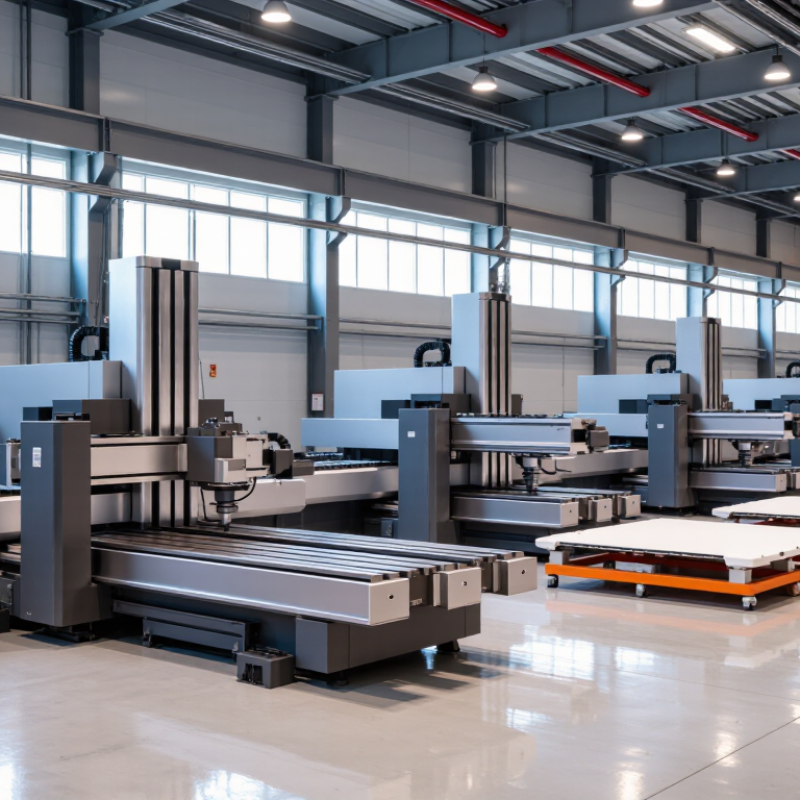
What Is the Best Gantry Machining Center from China?

Understanding Chinese Gantry Machining Centers

Choosing the best gantry machining center from China begins with understanding how the machine fits your production needs. A gantry center should provide a rigid frame, stable guideways, and accurate movement across large workpieces. Steel plates, molds, and aerospace components demand different working ranges and spindle power. Bigger is not always better.

In practical evaluations, inspect the machine’s casting quality, axis alignment, spindle runout, and thermal stability. Ask for documented test results, including circular interpolation and positioning accuracy. The control system should support your operators without creating unnecessary complexity. Reliable service also matters. Spare parts, remote diagnosis, installation support, and technician training can reduce downtime. A machine may perform well during a demonstration but struggle after months of heavy cutting. That detail is easy to overlook.

Tips: Compare complete specifications, not only the purchase price. Request machining samples using your actual material and tools. Check the table’s load capacity and working envelope carefully. Confirm how accuracy is measured and which standards are followed. Visit the production site when possible. Look at assembly cleanliness, inspection equipment, and quality records. A clear warranty is useful, but response time matters more. Some buyers focus too heavily on spindle speed. In many workshops, rigidity and chip removal affect productivity more. My own assessment would remain cautious: published figures cannot replace independent testing under real cutting conditions. The “best” center is the one that remains accurate, serviceable, and economically suitable for its workload.

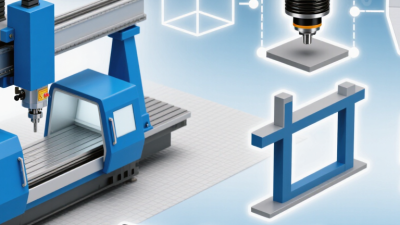
Key Features That Define Machining Center Quality

What Is the Best Gantry Machining Center from China?

Quality begins with structure, not a decorative specification sheet. A rigid cast-iron gantry should resist vibration during heavy cutting. On the shop floor, listen for stable spindle sound and inspect the chip pattern. Uneven chips often reveal deflection, poor tooling, or weak process control. Guideways, ballscrews, and worktables need documented accuracy tests. ISO 230-2 positioning results are more useful than a vague “high precision” claim.

Thermal behavior matters just as much. A machine may pass a morning test and drift after six hours of cutting. Ask for ballbar results, spindle warm-up records, and measurements taken at different temperatures. The 2024 Grand View Research report estimates the global CNC machine market reached 83.8 billion dollars in 2023. Fortune Business Insights forecasts continued expansion through 2032. Growing demand makes verification more important, not less. A larger market does not guarantee better engineering.

Control response, spindle power, automatic tool changing, and chip evacuation also define daily productivity. The control should recover safely after interruptions and display useful alarm information.

Service quality is often overlooked. Request spare-parts lead times, remote-support procedures, and operator training records.

I would not trust an impressive brochure alone. Some suppliers publish excellent accuracy numbers but provide limited test conditions. That is a weakness worth challenging. Visit a working installation if possible, cut your own sample, and measure flatness, perpendicularity, surface finish, and repeatability before making a purchase.

Comparing China’s Leading Gantry Machining Center Types

What Is the Best Gantry Machining Center from China?

Comparing China’s Leading Gantry Machining Center Types

China’s gantry machining centers generally fall into fixed-beam, moving-beam, and hybrid designs. A fixed-beam model keeps the crossrail stationary while the table moves. It suits heavy steel plates, large molds, and stable, repeated cutting. Moving-beam machines travel over a fixed table. They use floor space efficiently and handle long workpieces with fewer repositioning limits. Hybrid designs combine both movements, but their control systems and maintenance demands are higher.

The best type depends on cutting forces, part weight, and required accuracy. A double-column frame with a wide guideway can reduce vibration during rough milling. Linear scales, thermal compensation, and automatic tool measurement support more reliable finishing. Grand View Research valued the global CNC machine market at about USD 83.65 billion in 2022, with strong growth projected through 2030. That demand encourages more Chinese manufacturers to offer larger travel ranges and smarter monitoring. More features are not always better.

In practical trials, operators should inspect chip evacuation, spindle heat stability, and table flatness after several hours. A 2024 industry report from Research and Markets identifies automation and high-speed machining as major growth drivers. Yet published specifications can hide setup weaknesses. A machine rated for heavy cutting may still struggle with thin plates or poorly supported fixtures. Buyers should request test cuts using their own material, tooling, and tolerances. The result may be less impressive, but more trustworthy.

How to Evaluate Accuracy, Capacity, and Reliability

What Is the Best Gantry Machining Center from China?

Accuracy, capacity, and reliability should guide every serious evaluation. Do not judge a machine by brochure figures alone. Request a documented inspection report and a machining test piece. Check positioning accuracy, repeatability, and thermal stability under realistic conditions. ISO 230-2 testing can provide a useful reference, but your own workpiece remains the stronger test.

Capacity must match both today’s workload and possible growth. Measure table length, width, travel range, spindle-to-table clearance, and permitted load. A large table is not enough if the structure flexes during heavy cutting. Review spindle power, torque, tool capacity, and chip evacuation. Ask for cutting examples using similar materials. Small details matter. The operator’s access also matters.

Tips: Visit the production site when possible. Inspect assembly areas, electrical cabinets, lubrication points, and guideway protection. Ask how service requests are recorded and how replacement parts are supplied. Require clear acceptance criteria before payment, including accuracy checks, noise limits, and trial machining. Keep every result in writing.

Reliability is harder to measure than accuracy. Ask for maintenance records from comparable installations and contact users directly. Check whether software backups, wiring diagrams, and manuals are complete. A machine may pass inspection yet struggle in a hot, dusty workshop. That risk deserves attention. I would also allow time for operator training, because even a well-built center can lose precision through poor setup. Supplier claims should be tested, not simply trusted.

Selecting the Best Gantry Machining Center for Your Needs

What Is the Best Gantry Machining Center from China?

Selecting the best gantry machining center starts with your work, not the catalog. Measure the largest part, fixture height, cutting envelope, and floor space. A wide table is useless if the spindle lacks clearance. For steel frames, check torque at low speed, not only maximum RPM. For aluminum panels, prioritize acceleration and chip evacuation. ISO 230-2 testing can help verify positioning accuracy, while ISO 10791-7 addresses machining-center test conditions. Ask for recent inspection records, thermal compensation results, and sample cuts on comparable material.

China offers a deep manufacturing ecosystem. The International Federation of Robotics reported 276,288 industrial robot installations in China during 2023, representing 51% of global installations. This scale supports local access to automation, controls, motors, and service engineers. Yet scale does not guarantee a suitable machine. Review the spindle taper, guideway design, table load rating, and coolant filtration. Request references from users cutting similar components. Video evidence is helpful, but witnessed testing is stronger. Remote demonstrations can hide vibration and surface defects.

Budget for the entire cell. Include tooling, foundations, installation, training, probes, software, and spare parts. A lower purchase price may become expensive after repeated alignment visits. I would also test communication speed and service response before signing. Ask one difficult question and observe the reply. Some specifications still look impressive but lack working conditions, tolerance ranges, or test duration. That gap deserves attention. Data from the vendor, an independent inspection, and your own trial should agree before purchase.