What Is the Best 5th Axis CNC Machine?
Choosing the best 5th Axis Cnc Machine is not as simple as comparing spindle speed or table size. The right choice depends on part geometry, material, tolerance, production volume, and operator experience. A machine cutting titanium aerospace brackets needs different strength and control than one producing aluminum prototypes. Even impressive specifications can mislead when they ignore real workshop conditions.
In this guide, we examine machine rigidity, rotary-axis accuracy, controller capability, tool access, maintenance, and after-sales support. We also consider practical details, such as chip removal, fixture clearance, probing systems, and the space required around the enclosure. A reliable 5th Axis Cnc Machine should hold stable cuts while the table rotates under load. It should also make setup changes predictable, not mysterious. Small errors become expensive quickly.
There is no universal winner.
Our assessment draws on manufacturing principles, published specifications, and hands-on considerations familiar to CNC professionals. However, some recommendations may change as control software, tooling, and machine designs improve. That uncertainty deserves attention. A lower-cost machine may appear attractive, yet weaker support or limited post-processor options can delay production for weeks. Conversely, premium equipment may exceed the needs of a small job shop. The best decision comes from matching measurable capability with daily work, not chasing the most impressive brochure. Before choosing, readers should verify test-cut results, service coverage, warranty terms, and compatibility with their CAM workflow.
What Is a 5th Axis CNC Machine?
What Is the Best 5th Axis CNC Machine?
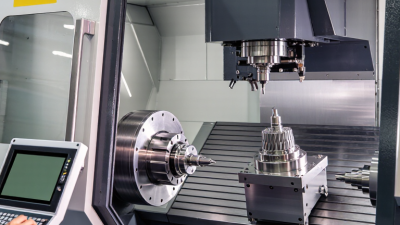
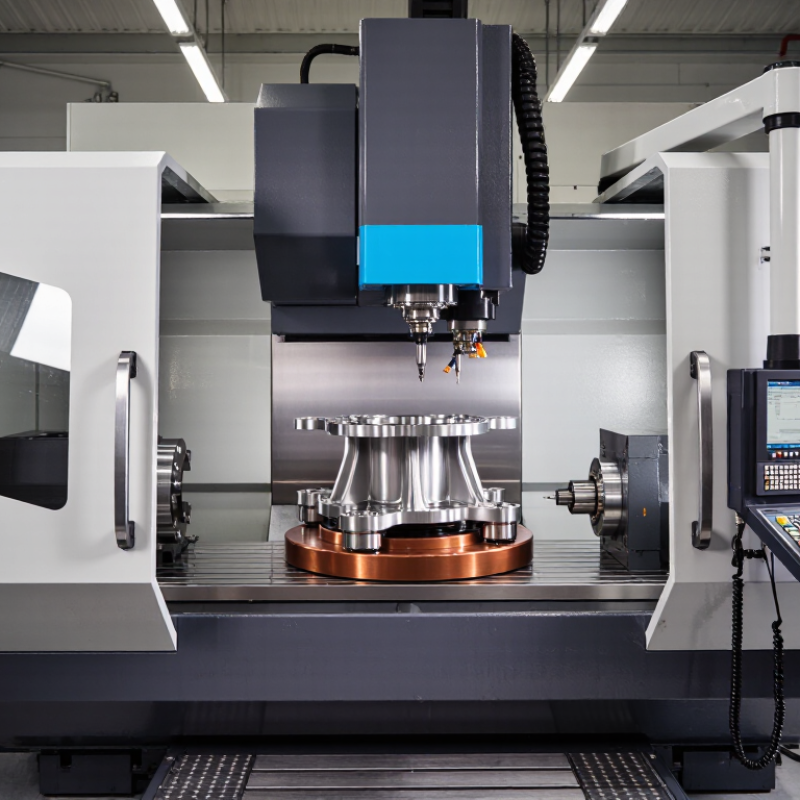
A 5th axis CNC machine adds rotary movement to the usual three linear axes. The X, Y, and Z axes move the cutting tool or workpiece across three directions. The fourth and fifth axes rotate around two different centerlines. This movement lets the tool approach a part from several angles.
A machinist can cut a curved turbine blade, angled medical component, or deep mold feature with fewer setups. Instead of removing the workpiece repeatedly, the machine tilts it and reaches difficult surfaces. That can reduce alignment errors and improve surface consistency. In practice, accurate results depend on calibration, tool length measurement, and a reliable workholding system. Small setup mistakes still matter.
It is not automatically faster.
The best 5th axis CNC machine matches the material, part size, and production volume. A rigid frame helps control vibration during heavy cutting. A precise rotary table supports stable positioning. Good control software and a correctly tested postprocessor are equally important. I have found that operators often focus on axis count and overlook training. That is a mistake. A machine may have impressive specifications but still perform poorly with unsuitable tools or weak fixturing. Check the working envelope, spindle power, rotary accuracy, maintenance support, and programming workflow before choosing. Even experienced teams should test a representative part first.
How 5th Axis CNC Machining Works
What Is the Best 5th Axis CNC Machine?
How 5th Axis CNC Machining Works
A 5th axis CNC machine adds two rotary movements to the standard X, Y, and Z axes. One axis may tilt the workpiece, while the other rotates it. This lets the cutting tool approach complex surfaces from several angles. In practice, a turbine blade can stay clamped while the spindle reaches its curved edges. That reduces repositioning errors and shortens setup time.
The control system coordinates all five movements through a programmed toolpath. A postprocessor converts CAM instructions into machine-specific code. Accurate calibration remains essential. Even a small rotary-axis error can create visible mismatch lines on a medical component or aerospace bracket. I have found that workholding often limits performance more than spindle power. The machine may move beautifully, but a weak fixture still causes vibration.
Industry data supports this shift toward advanced automation. The International Federation of Robotics reported 541,302 industrial robot installations worldwide in 2023. Meanwhile, Grand View Research estimated the global CNC machine market at about USD 83.8 billion in 2023. These figures suggest rising demand for flexible production, though they do not guarantee better machining results. A 5th axis machine still needs skilled programming, tool management, and inspection. More axes can also create more collision risks. That part is easy to underestimate. For the best machine, manufacturers should compare rotary accuracy, control capability, work envelope, and service support against actual part geometry.
What Is the Best 5th Axis CNC Machine? — How 5th Axis CNC Machining Works
A 5-axis CNC machine combines three linear movements—X, Y, and Z—with two rotary movements. This allows the cutting tool to approach a workpiece from multiple directions, reducing repositioning and improving access to complex surfaces.
The comparison uses standard CNC axis classifications: 3-axis machines provide three linear axes, while 4-axis and 5-axis machines add one or two rotary axes respectively. A 5-axis configuration generally offers the greatest flexibility for multi-sided and contoured machining, although the best choice depends on part geometry, tolerance, material, and production volume.
Key Factors for Choosing the Best 5th Axis CNC Machine
What Is the Best 5th Axis CNC Machine?
Key Factors for Choosing the Best 5th Axis CNC Machine
The best 5th axis CNC machine depends on your parts, materials, and production goals. In real workshops, machine size often matters more than impressive specifications. A compact trunnion table may suit small aluminum housings. A long-bed machine may better handle aerospace structures or large molds. Measure your largest workpiece, including fixture height and rotary clearance. Leave extra space for tool changes.
Accuracy begins with machine rigidity and thermal stability. Check positioning accuracy, repeatability, spindle torque, and rotary-axis backlash. These details affect deep cavities, angled holes, and smooth finishing. A powerful spindle is helpful, but it cannot correct poor fixturing. The control system should support reliable five-axis interpolation and collision checking. A proven postprocessor is equally important. Small errors there can damage tools or fixtures.
No machine is perfect. A lower-priced model may save money initially, yet require more adjustment time. Service response, operator training, spare parts, and preventive maintenance deserve equal attention. Ask for a test cut using your material and toolpath. Inspect the finished surface, hole position, and cycle time. I would also review sample programs with an experienced machinist. Specifications look clean on paper, but shop conditions are rarely perfect. A careful comparison should include noise, chip removal, access for cleaning, and the learning curve for daily operators.
Top 5th Axis CNC Machine Types for Different Applications
The best 5th axis CNC machine depends on the part, material, and production goal. A trunnion-table machine fits compact parts, such as impellers, medical housings, and mold inserts. It keeps the workpiece low, which improves rigidity during heavy cutting. A swivel-head machine offers greater access to tall or awkward components. It works well for aerospace frames and deep cavity machining. Dual rotary-table machines support complex surfaces from multiple directions. They can reduce repositioning and protect tight tolerances.
A mill-turn 5-axis machine suits parts needing milling and turning in one setup. Shafts, valve bodies, and eccentric components benefit from this arrangement. A gantry-style 5-axis machine handles large molds, structural parts, and oversized panels. Its open workspace improves access, but floor space and machine calibration require attention. Not every part needs five axes. That matters.
In practical shop trials, setup quality often affects accuracy more than axis count. Check spindle reach, rotary torque, workholding clearance, and postprocessor reliability. A probing system can verify datums before cutting begins. Shorter tools usually reduce vibration around steep walls. Chip evacuation can still become troublesome inside deep pockets. I have seen excellent machines lose precision through poor fixturing and rushed calibration. That trade-off is easy to underestimate. A smaller, rigid machine may outperform a larger model on detailed aluminum components.