Top 10 Metal Cnc Machines for Global Buyers Today?
The metal CNC machine market is experiencing significant growth, projected to reach $5 billion by 2025. This surge is driven by advancements in automation and precision manufacturing. Metal CNC machines have become indispensable in various industries, such as aerospace, automotive, and medical. Their ability to produce intricate parts with high accuracy is unmatched.
Despite this growth, challenges remain. Many buyers face difficulties in selecting the right machine. Mismatched specifications and supplier reliability are common concerns. It’s essential to evaluate the machinery not just on price but also on performance and durability. Understanding the technology behind metal CNC machines is crucial for making informed decisions.
As global buyers explore options, awareness of the leading brands and technologies available is vital.
Navigating through the options can be overwhelming. This highlights the importance of industry reports and professional advice when choosing the top metal CNC machines. By considering these factors, buyers can ensure they make choices that meet their operational needs.
Overview of Metal CNC Machines in the Global Market
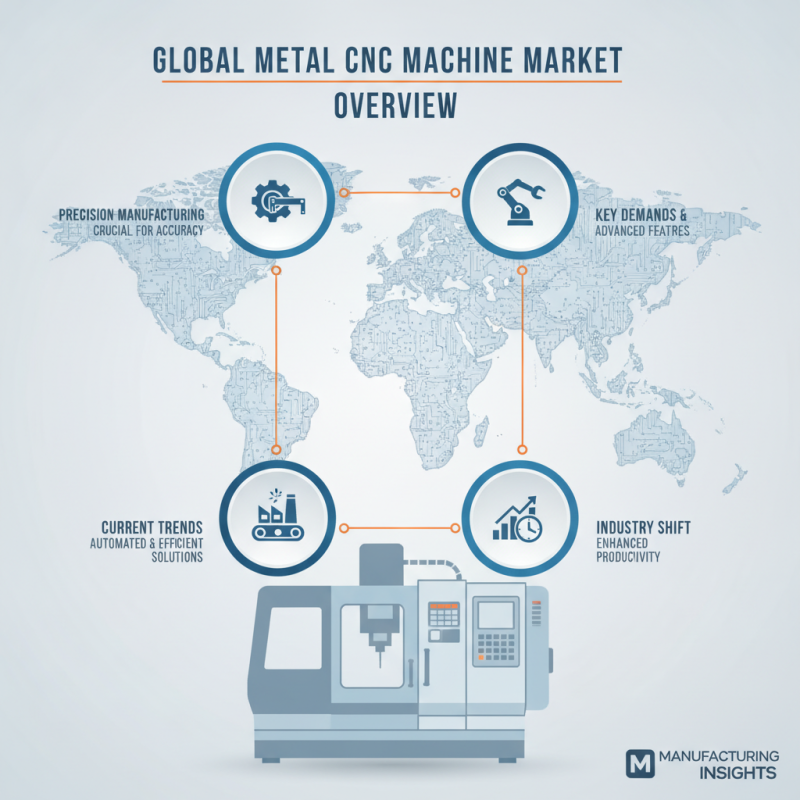
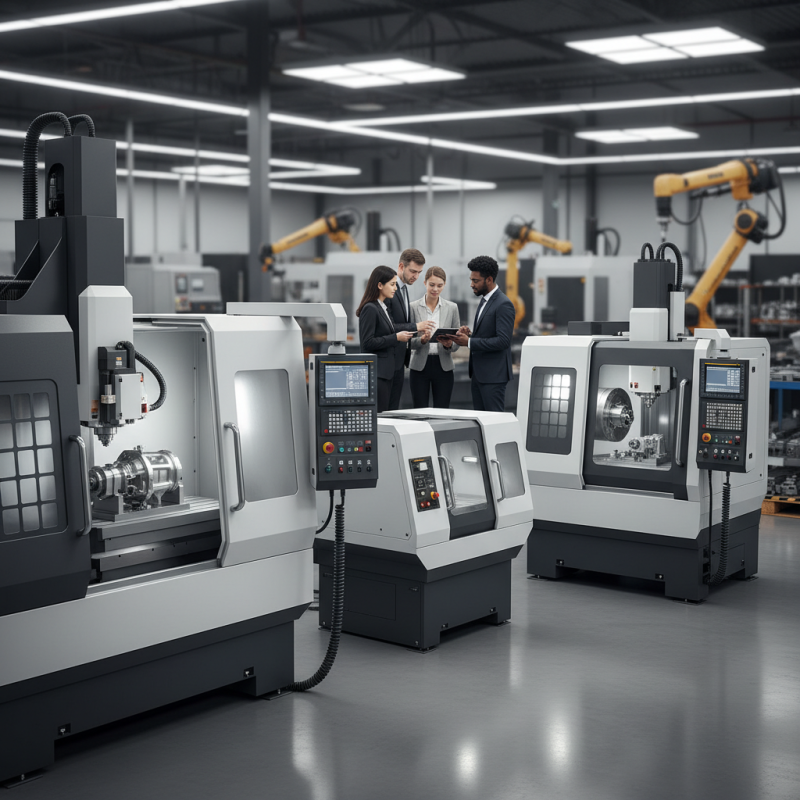
The global market for metal CNC machines continues to evolve. These machines are crucial for precision manufacturing across various industries. Manufacturers seek reliability and advanced features for better performance. Current trends show a growing demand for automated and efficient solutions. This shift reflects the industry's need to enhance productivity.
In this competitive landscape, buyers face challenges. Understanding specifications can be daunting. Industrial buyers must assess machine capabilities carefully. Some machines promise high speed but may compromise precision. It's vital to weigh these factors when making a purchase. Additionally, the integration of cutting-edge technology has its drawbacks. Not all high-tech solutions deliver as expected.
The need for user-friendly interfaces grows. Simple operation ensures more firms can adopt CNC technology. However, decisions shouldn't be rushed. Clients should test machines under real conditions before investing. Knowledge and experience play vital roles in these choices. Collaborating with experts might help mitigate risks.
Key Features to Look for in Metal CNC Machines
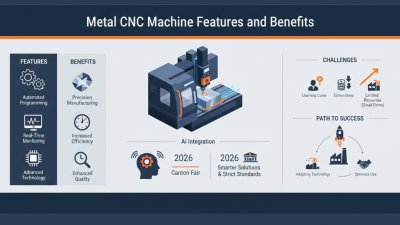
When selecting metal CNC machines, buyers should prioritize several key features.
Precision is critical; machines must offer high accuracy to achieve intricate designs.
According to industry reports, 70% of manufacturers cite precision as a top requirement.
High-quality spindle performance and rigidity enhance the machine's ability to maintain precision over time.
Another vital aspect is the machine's versatility.
Buyers should look for models that can handle various materials such as aluminum, steel, and titanium.
A study revealed that versatile machines can reduce operational costs by up to 30%.
Additionally, ease of programming is essential, especially for teams new to CNC technology.
Machines with user-friendly interfaces can drastically cut training time.
Reliability should not be overlooked.
Downtime can be costly, with reports indicating potential losses of $300,000 annually for manufacturers.
Regular maintenance must be factored into the total cost of ownership.
While many machines promise low maintenance, actual performance may vary based on usage.
Always consider the long-term implications of maintenance and service support when making a decision.
Top 10 Metal CNC Machines: A Comprehensive Review
In the world of metal fabrication, CNC machines play a crucial role. These machines provide precision and efficiency, enhancing production capabilities. Their technological advancements allow for intricate designs and complex cuts. Metal CNC machines can handle various materials, including steel, aluminum, and copper. The versatility of these machines makes them indispensable for modern manufacturing.
Selecting the right CNC machine is challenging. Buyers must assess their needs and budget carefully. Some machines offer advanced features but may exceed budget constraints. Others may lack essential functionalities, leading to inefficiencies. A thorough understanding of specific tasks is essential. Consider the machine's compatibility with software and tools commonly used in your shop.
Reviewing different models can reveal invaluable insights. Discussions among industry professionals often highlight real-world performance and limitations. It's important to analyze user experiences and gather recommendations. Mistakes are common in selecting a CNC machine, so ongoing research is vital. Each choice carries weight, and the right decision can significantly impact productivity.
Comparative Analysis of Cost and Performance
In the current landscape of metal CNC machines, cost and performance remain paramount. Buyers seek reliable machines that can optimize production while being mindful of budgets. Various models offer different capabilities, from basic machining to advanced automation. Understanding the intricate balance between price and the features provided is essential for informed purchasing decisions.
Performance often correlates with the machine's ability to handle diverse materials and complex designs. Buyers need to assess the specifications closely. For instance, spindle speed and torque can significantly impact machining efficiency. Each unique use case may dictate different requirements. Some users may prioritize speed over precision, while others might find durability more critical.
Cost analysis shouldn't overlook maintenance and operating expenses. Machines with lower upfront costs might incur higher long-term expenses. It's crucial to consider total cost of ownership. This ongoing financial liability can affect a company's bottom line. Reflecting on these factors is vital for making the best long-term investment.
Future Trends in Metal CNC Technology and Buyer Insights
The landscape of metal CNC technology is evolving rapidly. Global buyers are increasingly looking for machines that enhance precision and efficiency. Advanced features like automation and smart technology are becoming standard. These advancements promise to reshape how manufacturers approach metalworking.
Tips: When choosing a CNC machine, consider your specific needs. Are you focused on speed or precision? Understand your production volume. Some machines excel in small batches, while others handle mass production better.
Sustainability is another growing trend in this field. Manufacturers are exploring eco-friendly solutions. Users are encouraged to think about energy consumption and waste reduction. This not only benefits the planet but can reduce operational costs too.
Investing in training is equally essential. Your team must be well-prepared for operating modern CNC machines. Inadequate training can lead to mistakes and inefficiencies. Reflect on the skills that your team currently possesses and identify areas for improvement.