What Are the Top 10 Types of Metal CNC Machines?
A Metal CNC Machine is more than a cutting tool; it shapes how reliably a factory turns metal stock into finished parts. A CNC lathe spins a steel bar while a tool cuts its surface. A milling machine moves cutters across a fixed workpiece. Other machine types handle drilling, grinding, routing, and multi-axis operations. The differences affect accuracy, cycle time, tooling, and operator skill. Small details matter.
The market context is substantial, though it does not isolate CNC machines for metal. Grand View Research estimated the global machine tools market at USD 86.7 billion in 2022 and projected 6.8% annual growth from 2023 to 2030. That broader category includes equipment beyond the ten types covered here, so the figure is useful context, not a direct market-size estimate. Not a perfect comparison.
Machine selection also depends on repeatability, a point reflected in Toyota production system architect Taiichi Ohno’s often-cited words: “Where there is no standard, there can be no kaizen.” For manufacturers, standards help compare tolerances, setups, maintenance needs, and production volume. This guide introduces ten common metal CNC machine types and explains where each fits. Real workshops are messier than lists suggest; one machine can perform several tasks, while similar machines may suit very different jobs. The right choice depends on the part, material, budget, and production demands.
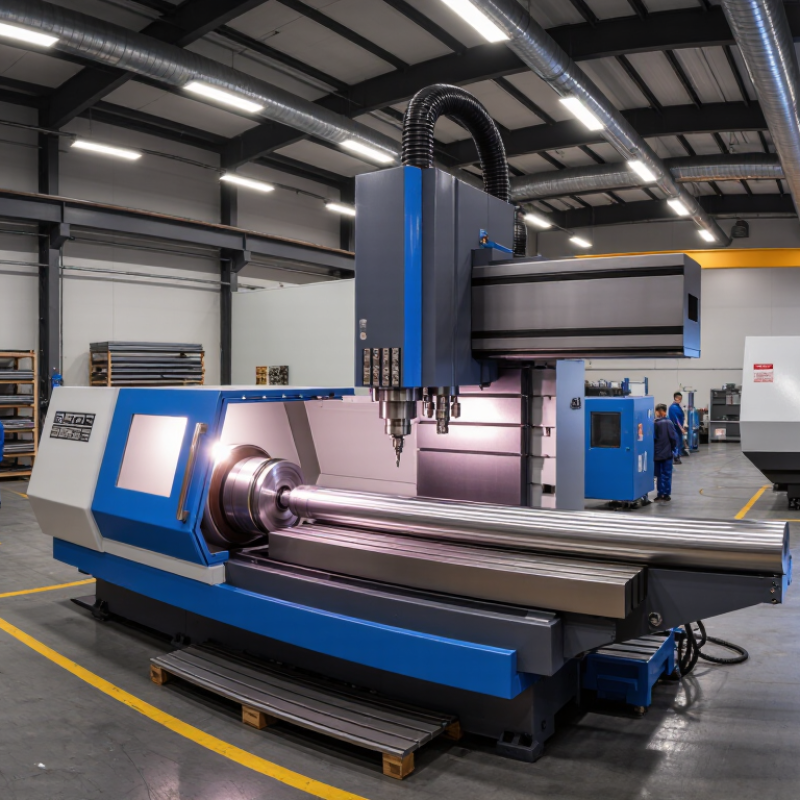
CNC Milling, Turning, and Mill-Turn Machines
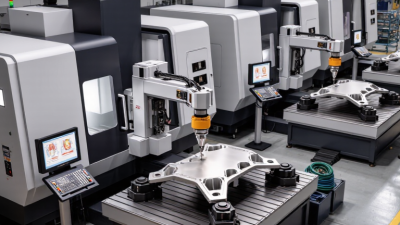
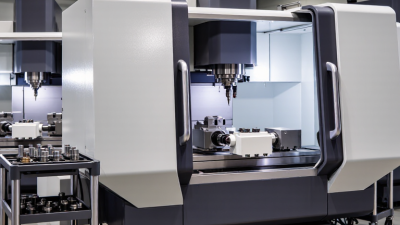
CNC milling machines remove metal with rotating cutters while the workpiece stays clamped. They can produce pockets, slots, flat faces, and complex contours. A machinist may use a small end mill to cut a narrow channel, then switch tools for a larger face. Tool choice, cutting speed, and workholding all affect the result. Thin parts can vibrate. That matters.
CNC turning machines rotate the workpiece against a cutting tool. They suit cylindrical parts such as shafts, bushings, and threaded fittings. A properly supported bar can yield consistent diameters, but long or slender stock may deflect during cutting. Even a small setup error can leave a visible taper. Measuring the first part is essential, not a formality.
Mill-turn machines combine rotating-tool milling with turning in one setup. They can machine flats, cross-holes, and concentric features without moving the part between separate machines. Fewer transfers can reduce alignment errors and handling time. Yet these systems need careful programming, tool planning, and skilled setup. They are not automatically the best choice for every job. For a simple round component, a turning machine may be more practical; for parts with mixed features, mill-turn capability can save time. The trade-off deserves a closer look.
CNC Drilling, Boring, and Grinding Machines
Metal CNC work often depends on drilling, boring, and grinding machines for accurate holes and finished surfaces. Each process removes material differently. Drilling makes an initial hole, while boring enlarges or corrects an existing one. Grinding removes small amounts of material with an abrasive wheel, helping control dimensions and surface finish. These operations may appear straightforward, but setup details matter.
A rigid workholding setup helps prevent vibration and misplaced features. Operators should check tool condition, spindle speed, feed, and coolant requirements for the material. For a deep hole, chips need a clear path out of the cut. Boring can correct a hole that is slightly off-center, but it cannot always fix a poor initial setup. Grinding also needs care: excessive heat may affect the workpiece. One easy mistake is assuming a clean-looking surface proves the part meets its measurements.
Tips: Confirm dimensions with suitable measuring tools, such as a bore gauge or micrometer. Remove chips before checking a feature. Keep a record of tool wear and adjustments. Small checks help, though they do not replace a sound machining plan.
CNC EDM and Laser-Cutting Machines
CNC EDM and Laser-Cutting Machines
CNC EDM and laser cutters solve different metalworking problems. Wire EDM removes conductive metal through controlled electrical discharges, making it useful for hardened tool steels, narrow slots, and precise die profiles. The wire never presses against the workpiece. No cutting force. Sinker EDM forms cavities using a shaped electrode, but electrode wear and slower material removal can affect cost and lead time. EDM also cannot cut nonconductive materials.
Laser cutting uses a focused beam to separate sheet metal quickly, often with assist gas to clear molten material. It suits intricate flat patterns and repeat production, though heat can leave discoloration or a heat-affected edge. Material, thickness, and finish requirements matter. Fortune Business Insights’ 2024 laser-cutting-machine report projects a 7.4% compound annual growth rate through 2032, reflecting expanding industrial demand; that forecast does not mean laser cutting fits every job. For thick, hardened parts or tight internal features, EDM may be the more dependable choice.
Tips: Check the drawing, material, and cut-edge tolerance before choosing. Ask for a sample cut on the actual alloy. Inspect the edge under good light; small burrs can become costly rework.
CNC Plasma and Waterjet-Cutting Machines
CNC plasma and waterjet machines cut metal in very different ways. Plasma uses an electrical arc and gas to cut conductive plate. Waterjet systems force water, often mixed with abrasive, through a narrow nozzle. The difference shows at the edge. Plasma is often selected for fast profiles in thicker steel; waterjet cutting avoids heat-affected zones and can suit heat-sensitive alloys. Neither process wins every job.
The World Steel Association reported 1,882.6 million tonnes of global crude steel production in 2024, reflecting the enormous range of material shops may need to process. For waterjet equipment, Grand View Research estimated a global market value of USD 1.2 billion in 2022 and projected 5.1% annual growth from 2023 to 2030. These figures describe industry scale, not a guarantee that waterjet is the economical choice for a particular workshop.
On the shop floor, compare cut quality, speed, material thickness, and secondary finishing. Edges tell the story. Plasma may leave dross or a heat-affected edge that needs cleanup; waterjet avoids thermal distortion but uses abrasive and can cut more slowly. A useful trial is a nested set of parts in the actual sheet thickness, followed by inspection of kerf, squareness, and edge finish. This still misses operating realities: abrasive disposal, nozzle wear, energy use, and operator skill can change the cost calculation.
How the 10 Machine Types Differ in Use and Capability
Metal CNC machines differ mainly in how they remove or shape material. Milling machines use rotating cutters for pockets, slots, and flat faces. CNC lathes rotate the workpiece, making shafts and cylindrical parts efficiently. Routers handle lighter work, often on thin aluminum sheet. Drilling and tapping machines create accurate holes and threads. Grinding machines refine hardened surfaces and tight dimensions, but remove material slowly. Each has a distinct role.
Laser cutters produce narrow cuts in suitable sheet metals without tool contact. Waterjet machines cut heat-sensitive materials with an abrasive stream, though edges may need finishing. Plasma cutters work quickly on conductive plate, but usually leave rougher edges. Wire EDM cuts complex profiles in conductive materials; sinker EDM forms cavities using a shaped electrode. Both are precise, but generally slower than milling. The distinction matters. A shop choosing equipment should compare material, thickness, tolerance, and production volume—not just cutting speed.
Tips: Check the machine’s stated capacity against your actual stock size and alloy. A bright, clean cut is not always a finished surface. Confirm tool access, fixturing, and expected edge quality with a test part. Some trade-offs are easy to underestimate. I would revisit the choice after measuring real setup time, not only cycle time.