Top Vmc Machine Features Benefits and Applications Explained
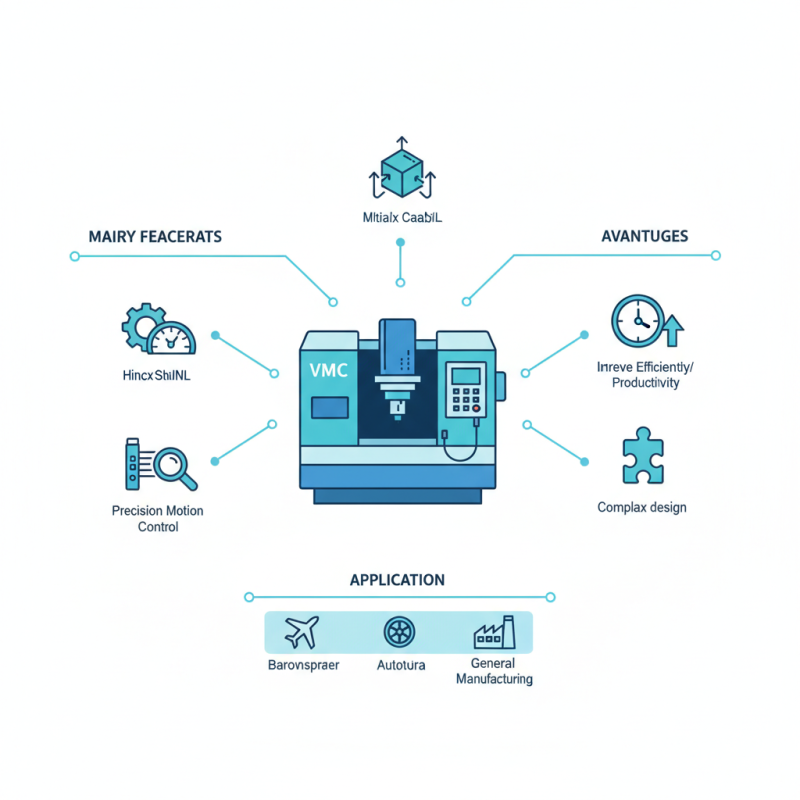
The Vmc Machine is a pivotal technology in modern manufacturing. It enhances precision, efficiency, and productivity. Understanding its key features helps businesses maximize benefits.
This machine combines advanced features like high-speed spindles and multi-axis capabilities. These attributes allow for intricate designs and quicker turnaround times. However, integrating a Vmc Machine requires training and knowledge. Many users struggle with the learning curve.
Nevertheless, the Vmc Machine plays a vital role across various industries. Its applications range from aerospace to automotive and beyond. Exploring its benefits reveals its potential to transform manufacturing processes. Each feature not only improves performance but also demands careful consideration and proper usage. The journey of mastering a Vmc Machine may be challenging, yet it is rewarding.
Key Features of VMC Machines That Enhance Precision and Efficiency
VMC machines offer outstanding precision and efficiency in modern manufacturing. They integrate advanced features that significantly enhance machining processes. One key feature is their multi-axis capability, allowing complex shapes to be produced with high accuracy. With a 5-axis VMC, even intricate geometries become manageable. This level of precision greatly reduces manual setup and rework time.
Another critical aspect is the use of automated tool changers. Automation speeds up production cycles and minimizes human error. Operators benefit from increased productivity, as the machine can switch tools quickly between operations. This not only boosts efficiency but also ensures consistent quality across multiple parts.
However, relying heavily on automation can sometimes lead to a disconnect between operators and machine performance understanding. Workers may overlook small variances in output during routine operations. Regular training and assessments are essential to maintain high operational standards and troubleshoot any unforeseen issues that may arise in production. Balancing technology with skilled oversight is key to maximizing the benefits of VMC machines.
Key Features of VMC Machines and Their Impact on Precision and Efficiency
Understanding the Benefits of VMC Machines in Modern Manufacturing
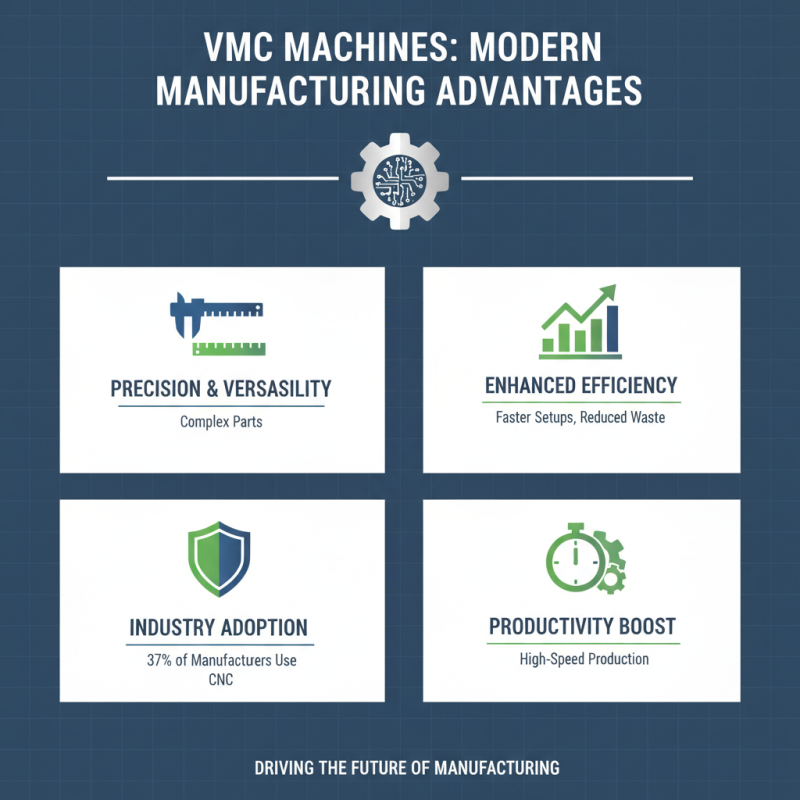
VMC machines play a crucial role in modern manufacturing. Their precision and versatility are unmatched. According to a recent report from SME, 37% of manufacturers now emphasize the adoption of computer numerical control (CNC) technology, driving efficiency in production processes. VMC machines enhance machining processes by enabling faster setups and reducing waste, making them invaluable in today's fast-paced industry.
These machines excel in various applications, from aerospace components to automotive parts. The ability to make complex shapes quickly saves time and costs. A study by the National Association of Manufacturers highlighted that businesses that integrate VMC technology report up to 20% improvements in production efficiency. However, the initial investment can be steep, and some companies struggle with the learning curve associated with advanced machinery.
Despite these challenges, the long-term benefits often outweigh the drawbacks. Adopting VMC machines can lead to significant cost reductions and increased competitiveness in the market. The global shift towards automation means that understanding these machines' functions is more important than ever. As manufacturers evaluate their processes, the potential of VMC machines continues to reshape the landscape of modern manufacturing.
Common Applications of VMC Machines Across Various Industries
VMC machines, or Vertical Machining Centers, play a vital role in various industries, including aerospace, automotive, and electronics. These machines are known for their precision and efficiency. They excel at creating complex components with tight tolerances. Many industries rely on their ability to perform multiple machining operations in a single setup. This reduces production time and waste.
In the aerospace sector, VMC machines are often used to produce intricate aircraft components. Their accuracy ensures that parts fit together perfectly. In automotive manufacturing, they're crucial for making engine blocks and frames. The versatility of VMC machines allows for quick changes in tooling and fixtures. This flexibility meets the demands of high-volume production.
Electronics manufacturers utilize VMC machines for small, detailed components. These parts often require complex shapes and features. While VMC machines offer numerous advantages, there are challenges as well. For instance, operators must be skilled to program and maintain them correctly. Missteps can lead to costly errors. Continuous learning and adaptation are essential for optimal performance. Every industry that employs VMCs aims for efficiency but must also address these limitations.
Top Vmc Machine Features Benefits and Applications Explained
| Feature |
Benefit |
Application |
Industry |
| High Precision |
Improved product quality and reduced waste |
Complex part machining |
Aerospace |
| Multi-Axis Capability |
Versatile machining of intricate designs |
Manufacturing molds |
Automotive |
| Automated Tool Changing |
Increased efficiency and reduced downtime |
Production of complex components |
Medical Devices |
| User-Friendly Interface |
Easier for operators to learn and manage |
Custom part fabrication |
Consumer Electronics |
| Robust Construction |
Longevity and reliability under heavy use |
Heavy-duty machining |
Construction Equipment |
Comparative Analysis: VMC Machines vs. Traditional Machining Methods
When comparing VMC machines to traditional machining methods, several key differences emerge. VMC machines offer automation, precision, and efficiency, crucial for modern manufacturing. In contrast, traditional methods rely heavily on manual labor, leading to variability in quality and output. VMC machines can execute complex designs rapidly, something manual machining struggles to achieve. The consistency in part production is a significant advantage, minimizing waste.
Tips: Ensure proper maintenance of VMC machines for optimal performance. Regularly check alignment and calibration to maintain precision. Even a small error can lead to increased costs.
Another notable difference lies in setup time. VMC machines can be programmed for multiple tasks in one go, reducing downtime. Traditional methods often require resetting for different tasks, which consumes time. However, the initial investment in VMC machines can be high. Companies must evaluate their production needs carefully before transitioning.
Tips: Assess the skill level of your workforce. Training in VMC operations can enhance productivity. Consider the learning curve when adopting this technology.
Future Trends in VMC Machine Technology and Its Impact on Production
The future of vertical machining centers (VMCs) is set for significant transformation. As manufacturers integrate advanced technologies, efficiency will rise. A recent report by Industry Research estimates that the global VMC market will reach $7 billion by 2025. This growth is driven by improvements in automation and data integration.
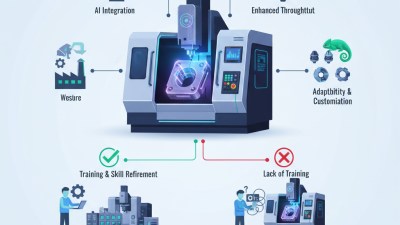
One impactful trend is the incorporation of artificial intelligence (AI) into VMC operations. AI can enhance predictive maintenance, reducing downtime by 30% or more. This potential for increased reliability is crucial. However, the challenge remains in ensuring that operators can adapt to these sophisticated systems. Training requirements will escalate as complexity increases.
Another noteworthy trend is the adoption of IoT in VMC machines. Connected machines can monitor usage in real-time. This data leads to better decision-making and can optimize production workflows. Nevertheless, integrating IoT into existing systems may present hurdles, particularly in cybersecurity. Manufacturers must address these challenges to harness the full potential of technology in VMC production.