How to Operate a Vmc Machine Effectively for Beginners?
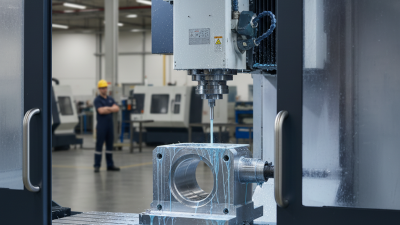
Operating a Vmc Machine can seem daunting for beginners, but with the right approach, anyone can learn to use it effectively. A Vmc Machine, or Vertical Machining Center, is crucial in modern manufacturing. It allows for precision machining of various materials. Understanding its functions and features is key to mastering its operation.
Many newcomers face challenges when starting with this technology. Mistakes may occur, leading to frustration. For instance, improper tool setup can cause errors in machining. This is a learning opportunity. Each misstep provides insight into the machine’s capabilities and limitations. Practicing will enhance one’s skills over time.
A solid foundation is essential when working with a Vmc Machine. Basic knowledge of tools and controls will make a significant difference. Seeking guidance from experienced operators can also provide valuable tips. Quality training resources can boost confidence and competence. With dedication and reflection, beginners can navigate their learning curve, ultimately becoming proficient users of the Vmc Machine.
Understanding the Basics of VMC Machines for Beginners
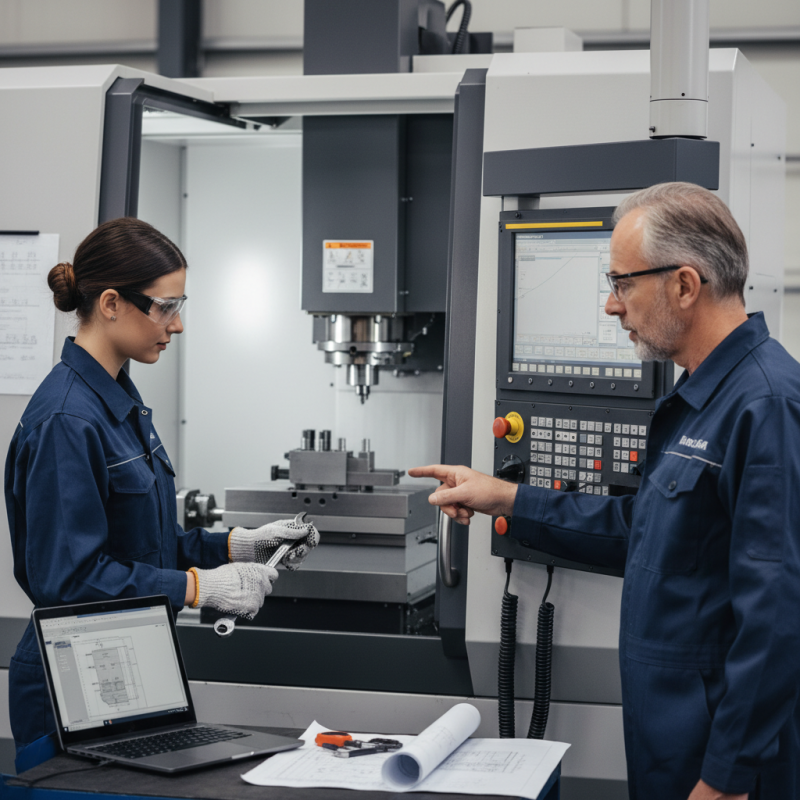
Understanding VMC machines is crucial for beginners in machining. VMC stands for Vertical Machining Center. It's a type of CNC machine used for
precision cutting. These machines operate with high-speed tools that move along multiple axes. Familiarity with these basics helps reduce mistakes and improve results.
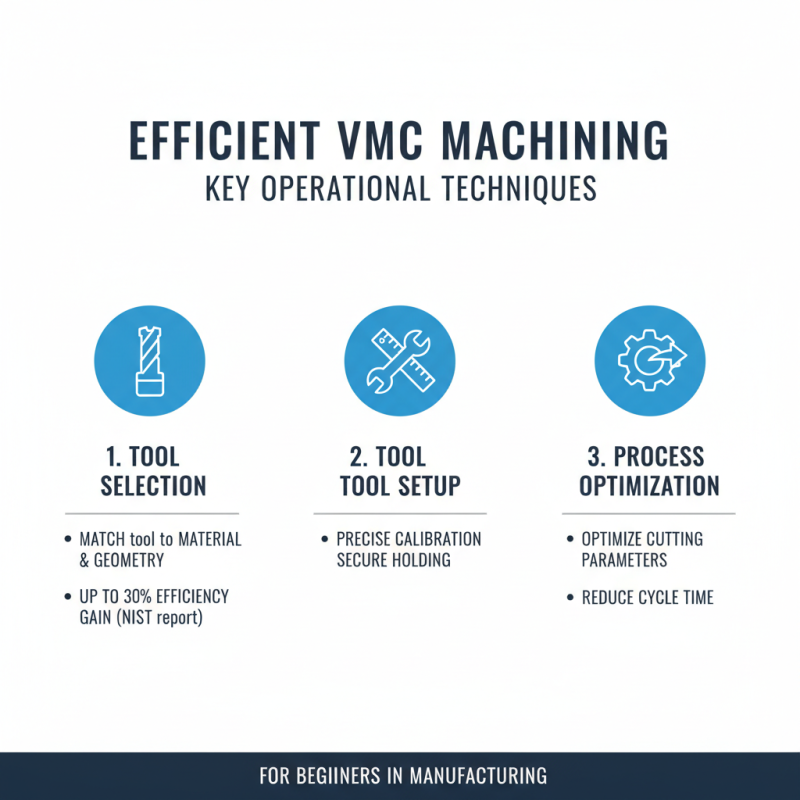
For beginners, it's essential to learn about the machine components. Focus on the spindle, tool holder, and work table. Each part plays a key role in the machining process. Knowing how to set up tools correctly can save time and effort in the long run. Mistakes often occur during setup. It's important to double-check positions and settings.
Operating a VMC also requires understanding the software. The CNC operating system controls machine functions. Beginners may find programming intimidating. Practice can lead to better proficiency. Many new operators struggle with translating designs into machine instructions. Take time to learn and reflect on how programming influences outcomes. Continuous learning is part of mastering VMC operations.
Essential Safety Guidelines When Operating a VMC Machine
Operating a VMC (Vertical Machining Center) machine demands strict adherence to safety guidelines. In the manufacturing sector, nearly 25% of injuries are linked to equipment operation. Therefore, understanding essential safety measures is crucial for beginners. Personal protective equipment (PPE) like safety goggles, gloves, and hearing protection helps minimize risks. A study from the National Institute for Occupational Safety and Health indicates that proper PPE use can reduce injury risk by 40%.
Additionally, ensuring a clean workspace is vital. Clutter can lead to accidents and machine malfunctions. Statistics show that 65% of accidents arise from poor workplace organization. Regular training sessions help reinforce safe practices. Beginners are often unaware of hazards associated with VMC operation. They should be trained to recognize risks like moving parts and hot surfaces.
Regular equipment checks prevent unexpected failures. The proper calibration of tools and machines enhances accuracy, while neglect can lead to costly errors or injuries. Furthermore, operators must be aware of emergency stop functions. Knowing how to stop the machine quickly can save lives. Continuous evaluation of safety protocols is necessary to adapt to new findings in the industry.
How to Operate a VMC Machine Effectively for Beginners? - Essential Safety Guidelines When Operating a VMC Machine
| Safety Guideline |
Description |
Importance |
| Wear Personal Protective Equipment (PPE) |
Always wear safety glasses, gloves, and ear protection while operating the machine. |
Protects against injuries from debris, noise, and equipment. |
| Pre-Operational Checks |
Inspect the machine for any signs of wear, damage, or loose parts before starting. |
Ensures the machine is safe to operate and reduces risk of malfunctions. |
| Maintain a Clean Work Area |
Keep the work area free of clutter and materials that can trip or obstruct movement. |
Reduces the risk of accidents and allows for better machine accessibility. |
| Follow Manufacturer Instructions |
Always refer to the user manual for operation and safety guidelines. |
Ensures proper handling and reduces the chance of misuse. |
| Emergency Stop Procedures |
Know the locations and functioning of emergency stop buttons. |
Crucial for quickly halting operation in case of an emergency. |
Step-by-Step Setup Process for Your VMC Machine
Setting up a VMC machine can be daunting for beginners. The journey begins with understanding the workspace. Ensure your area is clean and organized. A clutter-free environment helps maintain focus and safety. Double-check that all tools and parts are within reach. This preparation significantly enhances your efficiency.
Next, proper calibration is crucial. Start by referencing the machine's manual. Take time to adjust the tool offsets and work offsets accurately. Errors in these settings can lead to costly mistakes. It might feel tedious, but meticulous calibration prevents major issues later on.
Tip: Document your setup process. Jotting down steps helps reinforce your learning. It's easy to forget specifics, especially when you’re new.
Finally, conduct a dry run. Simulate the cutting process without actual material. This check allows you to identify problems and refine your technique. Don't expect perfection; mistakes are part of the learning curve. Reflect on them and adjust for better results next time. Familiarity with your VMC machine develops over time.
Common Troubleshooting Tips for VMC Machine Operators
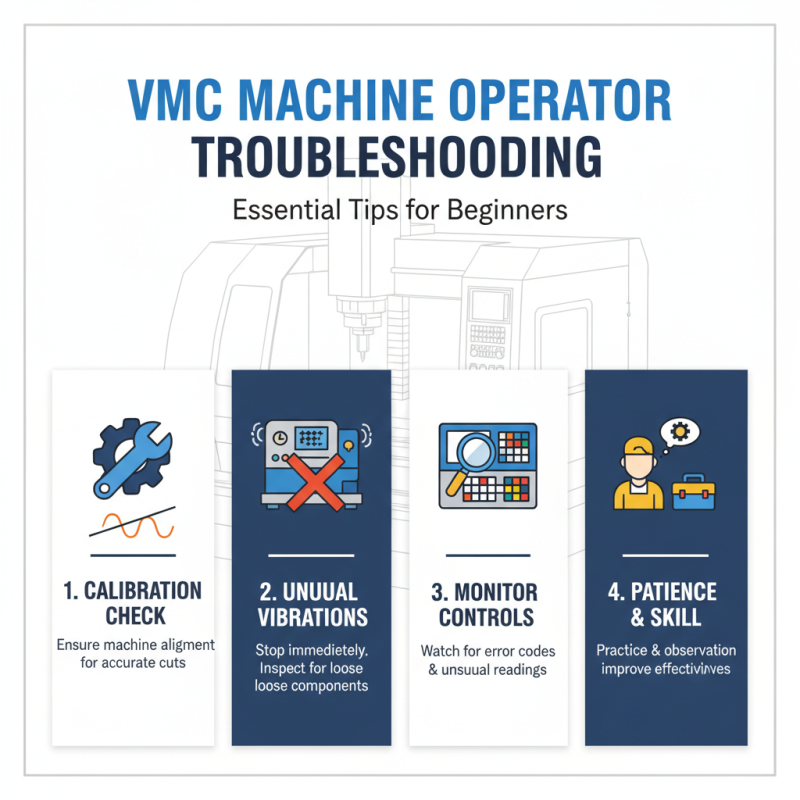
Operating a VMC machine can be challenging for beginners. Troubleshooting issues requires both skill and patience. Observing common problems can significantly help novice operators improve their effectiveness. Firstly, ensure that your machine is properly calibrated. Misalignment can lead to inaccurate cuts. Watch for unusual vibrations during operation. If they occur, stop immediately and check for loose components.
Another frequent issue is tool wear. Inspect tools regularly for damage or wear, as this can affect precision. A dull tool can lead to poor surface finishes and increased production times. If you notice changes in sound or feel while cutting, it might be time to replace the tool.
Software glitches can also be troublesome. Occasionally, the machine may freeze or display errors. Resetting the system often helps, but always consult the manual for specific troubleshooting steps. Document these instances to understand patterns and reference them later. Reflect on what went wrong and how to improve next time.