Why Choose CNC Machining Equipment for Your Manufacturing Needs?
In the ever-evolving landscape of manufacturing, professionals like Dr. Emily Chen, a leading expert in CNC Machining Equipment, emphasize the necessity of precision and efficiency. She states, “CNC machining is not just a tool; it’s a game-changer for modern production.” This statement reflects the transformative potential of CNC technology for manufacturers seeking reliability.
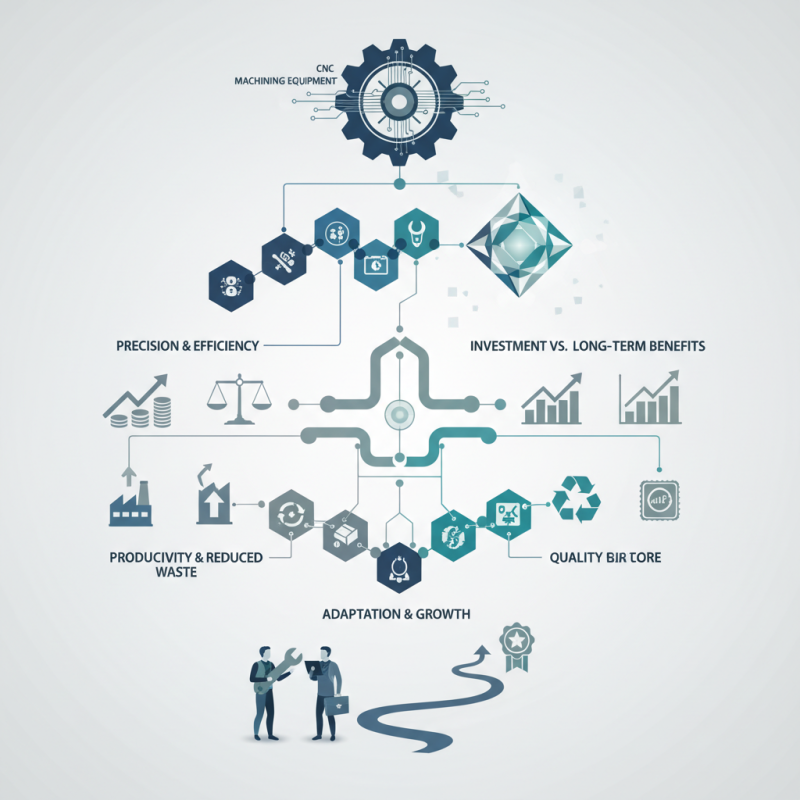
CNC Machining Equipment offers unparalleled accuracy in the production process. This capability enables manufacturers to create complex designs while maintaining consistency. However, the initial investment can be daunting for some. It is essential to weigh the long-term benefits against the upfront costs. Recognizing this balance helps businesses make informed decisions.
Industry standards continue to grow, and those who fail to adapt may be left behind. Choosing the right CNC Machining Equipment can enhance productivity and reduce waste. With this technology, manufacturers can achieve high-quality outputs while minimizing errors. Yet, embracing new equipment also requires training and adaptation, which can pose challenges. The journey of integrating CNC machinery is as much about growth as it is about overcoming obstacles.
Understanding CNC Machining: Definition and Process Overview
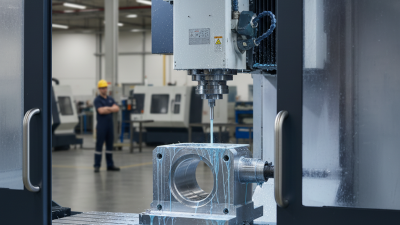
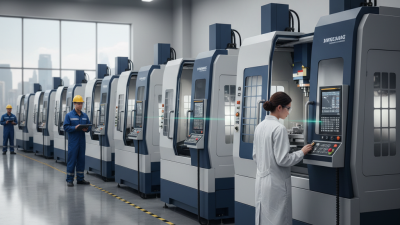
CNC machining stands for Computer Numerical Control machining. This process uses automated machines to create precise parts. These machines read computer-generated designs and convert them into physical components. A variety of materials can be used, including metal, plastic, and wood. Understanding this process is essential for efficient manufacturing.
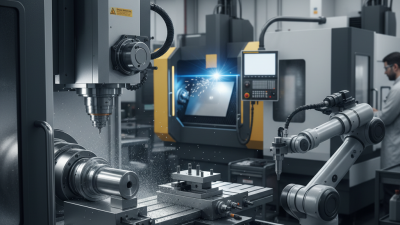
The CNC machining process begins with a detailed design, typically made in CAD software. The design is then translated into a set of instructions for the CNC machine. This requires a deep understanding of both design and engineering principles. The machine follows the instructions, cutting or shaping materials with high precision. Sometimes, minor adjustments are needed for optimal results. These tweaks can be crucial, reflecting the machine's reliability.
Operators must monitor the CNC process. They check for errors or deviations from the design. This hands-on approach ensures the quality of the final product. While CNC machining is efficient, it comes with challenges. Training is essential to navigate these obstacles. Each manufacturing environment has unique requirements, demanding adaptability and expertise from the operators. Understanding these complexities enhances the overall effectiveness of CNC machining in meeting diverse manufacturing needs.
Advantages of CNC Machining Equipment in Manufacturing
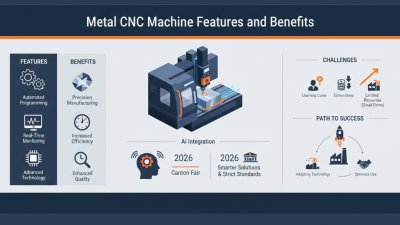
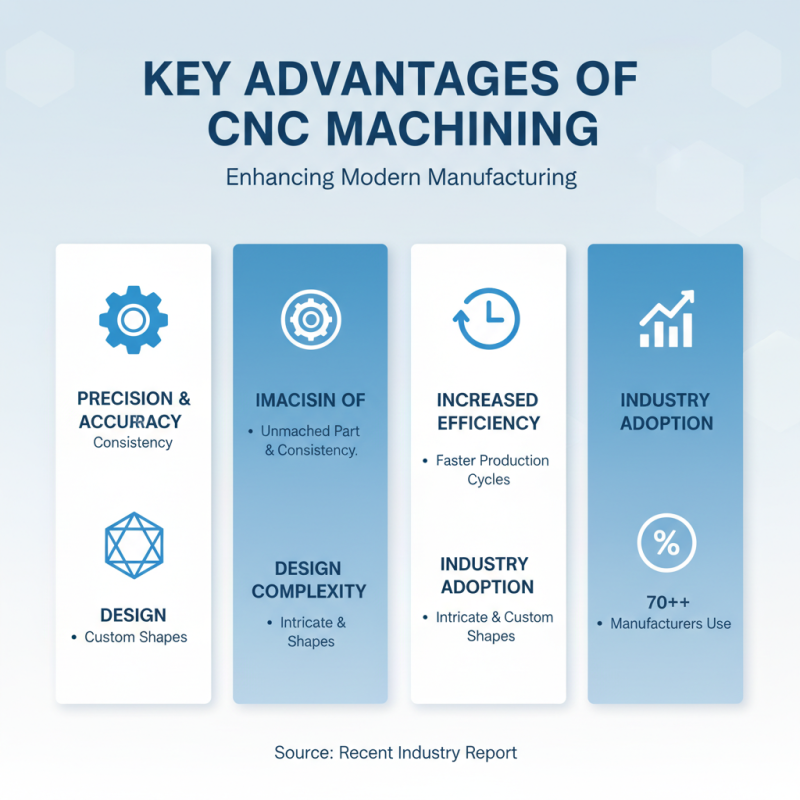
The chart above illustrates the key advantages of CNC machining equipment for manufacturing, providing insights into important attributes such as precision, efficiency, flexibility, cost-effectiveness, and material versatility.
Key Advantages of CNC Machining Equipment in Manufacturing
CNC machining equipment has become vital in modern manufacturing. Its precision and efficiency are unmatched. According to a recent industry report, over 70% of manufacturers have adopted CNC machining to enhance their production processes. This robust technology allows for intricate designs and complex shapes, which are difficult to achieve through traditional machining methods.
One significant advantage of CNC machining is its ability to produce consistent results. This consistency minimizes errors, leading to less waste and lower production costs. The same report indicates that manufacturers experience up to a 30% reduction in material waste when using CNC tools. This not only boosts profitability but also aligns with sustainable practices in manufacturing. However, the initial cost of CNC equipment can be steep, causing some small businesses to hesitate.
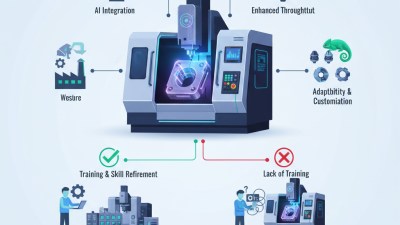
Another critical advantage is flexibility. CNC machines can be easily programmed for different tasks, enabling quick shifts in production. This adaptability is essential in today's fast-paced market. Companies can respond rapidly to changing demands, ensuring they stay competitive. Nonetheless, the reliance on technology may create a skills gap. Workers must be trained adequately to operate these advanced machines, highlighting the need for ongoing education in the workforce. This balance between technology and skill development remains a challenge for many manufacturers.
Comparative Analysis: CNC Machining vs. Traditional Manufacturing Methods
CNC machining has gained popularity in manufacturing for various reasons. Unlike traditional methods, CNC machining offers greater precision. This technology uses computer programs to control machinery. It minimizes human error, resulting in consistent and reliable outcomes. Traditional methods often rely on manual adjustments, which can lead to variations and inaccuracies.
When comparing these approaches, CNC machining stands out in its efficiency. Complex shapes and designs can be produced quickly. Traditional manufacturing, while effective, may require longer setup times. It can struggle with intricate patterns and high-volume production.
Businesses looking to scale often find CNC machining to be a better fit.
Tips: Always evaluate your specific needs when choosing manufacturing methods. Consider the complexity of your designs. If they are intricate, CNC machining may save you time and costs. Regular maintenance of CNC machines can also enhance their longevity and performance.
Adopting CNC technology can be a significant step, but ensure it aligns with your business goals and capacities.
Industries and Applications Making Use of CNC Machining
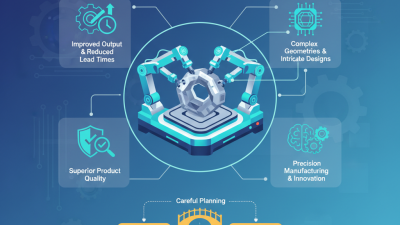
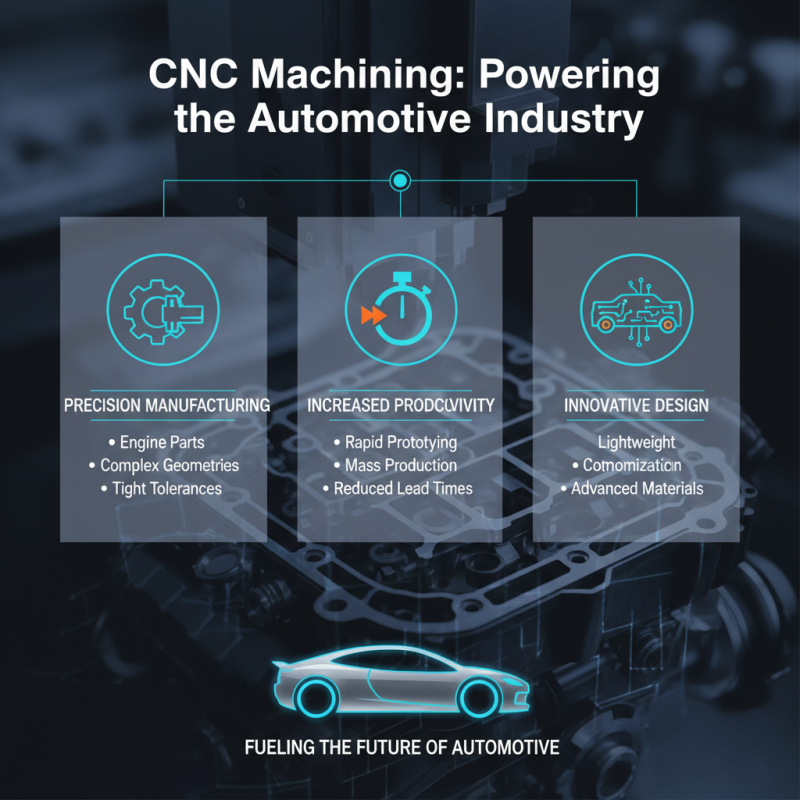
CNC machining is widely applied across various industries. The automotive sector relies heavily on CNC technology. Precision is crucial for manufacturing engine parts and components. This technology allows for intricate designs and complex geometries. Parts are produced quickly, ensuring high productivity.
In aerospace, safety is paramount. CNC machining offers the reliability needed for critical components. Turbine blades and structural elements are crafted with exact specifications. Such precision reduces the risk of failures in flight. Medical devices also benefit from CNC capabilities. Customized implants and surgical instruments are produced with exceptional accuracy.
Challenges do exist. Some manufacturers may struggle with maintenance and operational training. Understanding the intricacies of CNC equipment is essential. Regular calibration and inspection are necessary to avoid errors. Without proper oversight, quality can fluctuate. Despite these challenges, the advantages often outweigh the drawbacks. The precision, speed, and adaptability of CNC machining make it invaluable across industries.
Factors to Consider When Choosing CNC Machining Equipment
When selecting CNC machining equipment, several factors come into play. Consider the material types you most frequently work with. Different machines handle materials like aluminum or plastics differently. Compatibility affects precision and efficiency. It's crucial to assess machine versatility. A machine that can't adapt may limit your production capabilities.
Next, evaluate the machine's size and capacity. If your projects involve large components, a compact CNC machine won’t suffice. The production volume is also vital. High-demand projects need robust equipment that can operate tirelessly. Be mindful of the balance between automation and manual control. Some tasks benefit from human oversight to ensure accuracy.
Finally, think about training and support. Even the best machines require skilled operators. Consider if your team has the necessary expertise. Training can enhance equipment use but may take time. Weigh the cost of ongoing maintenance against potential downtime. An informed choice today can lead to better outcomes tomorrow. Evaluate your needs carefully, and don’t rush the decision.