China Top Vertical Machine Innovations and Trends in 2026?
In 2026, Vertical Machines are set to transform various industries across China. These machines are essential in sectors like manufacturing, construction, and agriculture. Innovations in this field are not just technological marvels but responses to real-world challenges.
Vertical Machines increase efficiency by optimizing space and productivity. However, the rapid pace of innovation raises concerns. Are we fully prepared for the changes these machines bring? There's a need to assess their impact on the workforce and traditional processes.
As companies embrace these advancements, expertise in Vertical Machine technology becomes critical. Understanding the trends in features and design can drive successful integration. Yet, it’s vital to remain cautious. Balancing innovation with human and environmental factors will define the future of Vertical Machines in China.
China's Vertical Machine Innovations: An Overview of 2026
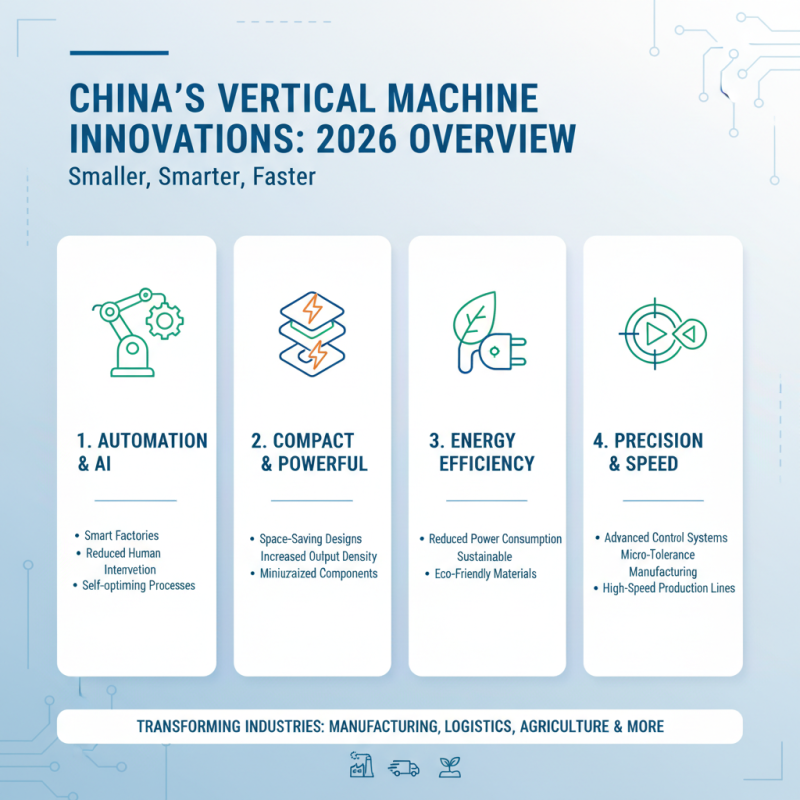
In 2026, China's vertical machine innovations are set to transform various industries. The emphasis on automation and smart technology drives this change. Companies prioritize energy efficiency and compact design in their machinery. These machines are smaller but more powerful than before. Enhanced control systems allow for precise operations, making tasks simpler and faster.
Tips: When selecting vertical machines, consider their energy consumption. Machines with better energy ratings can significantly reduce operational costs. Evaluate the size and efficiency of the equipment. A compact design can save space and improve workflow.
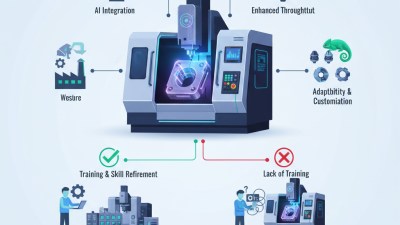
Moreover, user-friendly interfaces are becoming a standard feature. This makes training easier for employees. Despite the advances in technology, the learning curve can be steep. Companies must invest in skill development. Some workers may struggle with new systems. Continuous feedback is essential for adaptation and growth.
Tips: Encourage open communication about difficulties. Regular training sessions can help bridge knowledge gaps. Create a culture that embraces technological changes, allowing everyone to adapt efficiently.
Key Technological Advancements in Vertical Machinery in China
In 2026, China's vertical machinery sector is poised for significant innovation. Emerging technologies are reshaping the landscape, with automation and AI leading the charge. Industry reports indicate that automation in vertical machines could increase productivity by up to 30%. Meanwhile, AI integration is expected to reduce operational costs by as much as 20%. These advancements will likely redefine manufacturing protocols.
The rise of smart technology in vertical machinery is noteworthy. Sensors and IoT devices are becoming commonplace. They enhance real-time monitoring and predictive maintenance. This shift has potential implications for reducing downtime, yet it raises concerns about data security. Balancing innovation and security remains a challenge for many manufacturers.
As companies embrace these trends, training the workforce becomes crucial. A reported 45% of existing workers may need retraining by 2026. This need for upskilling highlights gaps in current capabilities. It raises questions about readiness and adaptability within the industry. The ongoing evolution may create a divide between firms that can advance and those that lag behind.
China Top Vertical Machine Innovations and Trends in 2026
| Category |
Innovation |
Key Features |
Potential Applications |
| Automation |
AI-Driven Process Optimization |
Real-time data analysis and machine learning algorithms |
Manufacturing, Scheduling, Inventory Management |
| Energy Efficiency |
Advanced Energy Recovery Systems |
Integration of regenerative drives and recovery mechanisms |
All Industrial Applications |
| Customization |
Modular Machine Design |
Flexible configurations to meet customer needs |
Specialty Manufacturing, Prototyping |
| Safety |
Smart Safety Features |
Sensors and automatic shutdown systems |
Heavy Machinery, Industrial Sites |
| Connectivity |
IoT Integration |
Remote monitoring and data collection |
Smart Factories, Predictive Maintenance |
The Role of Automation in China's Vertical Machine Sector
The vertical machine sector in China is rapidly embracing automation. In 2026, innovations in this field are expected to redefine productivity. Current statistics reveal that over 60% of vertical machine manufacturers are integrating robotics. This transition aims to enhance efficiency and reduce human error. Data from recent industry reports show that automated vertical machines can increase production rates by up to 40%.
However, the shift towards automation is not without challenges. Workforce adaptation remains a significant hurdle. Many skilled workers are concerned about job displacement. Additionally, the initial investment in automation technology can be daunting. Industry experts emphasize the need for comprehensive training programs to bridge the skill gap. Reports suggest that companies investing in worker retraining experience a 20% boost in productivity post-automation.
Despite these obstacles, the benefits of automation are compelling. Automated vertical machines provide greater precision and consistency in production. This technology can also lead to significant cost savings over time. Yet, it is critical to approach this transition thoughtfully. Balancing innovation with the welfare of the workforce will be essential for sustainable growth.
China Top Vertical Machine Innovations and Trends in 2026
Future Market Predictions for Vertical Machinery in China
The future market predictions for vertical machinery in China remain promising as industries increasingly embrace automation. By 2026, the landscape of vertical machinery is likely to evolve significantly. This shift is driven by advancements in technology and the growing need for precision in manufacturing. Key sectors such as automotive and electronics are expected to lead the way.
Innovation in vertical machines will emphasize smart technologies. Automation and artificial intelligence will play crucial roles in enhancing performance. However, challenges may arise as companies adapt to new software systems. Not every organization is ready for this level of transformation. Data security and maintenance issues can hinder progress. It's essential to consider the potential risks involved.
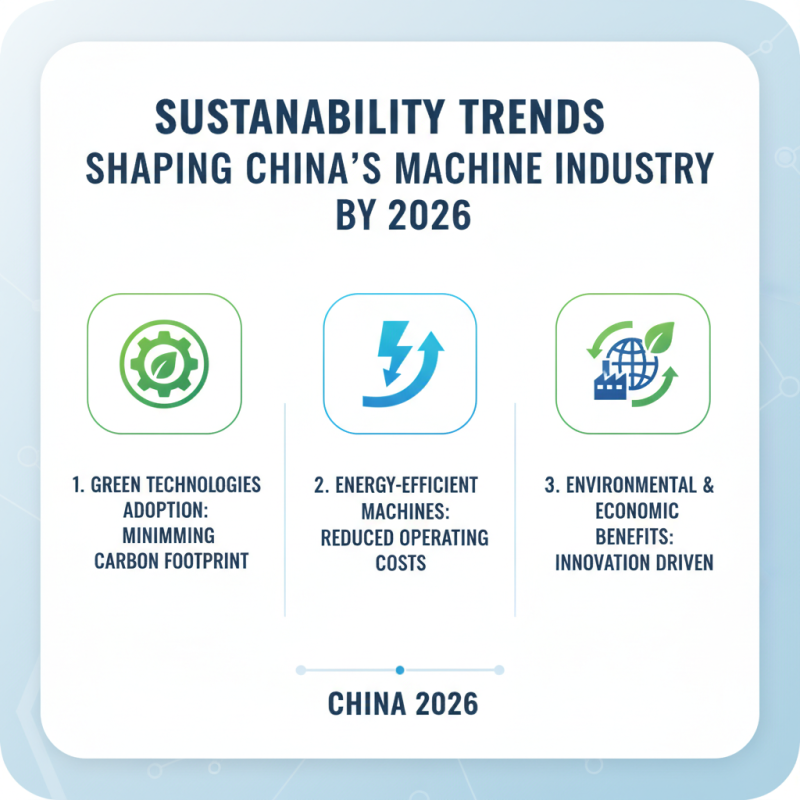
Sustainability also shapes the future of vertical machinery. Manufacturers are under pressure to reduce carbon footprints. Implementing eco-friendly practices is not always straightforward. Costs and resource availability can limit the transition. While these factors present hurdles, they also open opportunities for innovation. Keeping an eye on market trends will be critical for stakeholders. Those who adapt quickly may thrive in this evolving landscape.