Top 10 Best Machine Tools for Precision Engineering and Manufacturing?
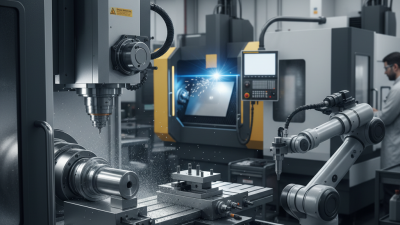
Machine tools play a vital role in precision engineering and manufacturing. According to a recent report from the International Federation of Robotics, the machine tool market is projected to reach $102 billion by 2025. This growth reflects the rising demand for high-quality industrial products. In precision engineering, accuracy is paramount. Machine tools are essential for achieving the tight tolerances required in components production.
The diversity in machine tools enhances their effectiveness. From CNC machines to lathes, each type serves specific applications. However, challenges exist. Manufacturers often struggle with equipment maintenance and operator training. A 2023 survey by the Association for Manufacturing Technology revealed that 34% of companies cited skill gaps as a barrier to implementation. This highlights the need for continuous learning and adaptation in the workforce.
Choosing the right machine tools is crucial. Quality tools lead to better productivity and reduced waste. Not all tools meet the highest standards. It’s essential to evaluate options based on precision, reliability, and user feedback. The right selection can significantly impact manufacturing quality.
Overview of Precision Engineering and Manufacturing Tools
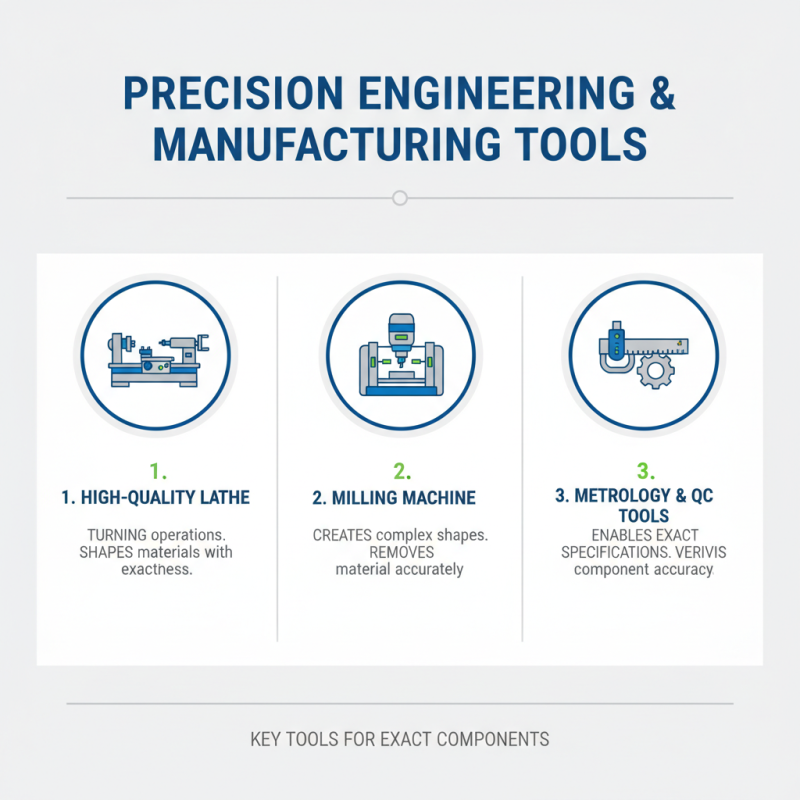
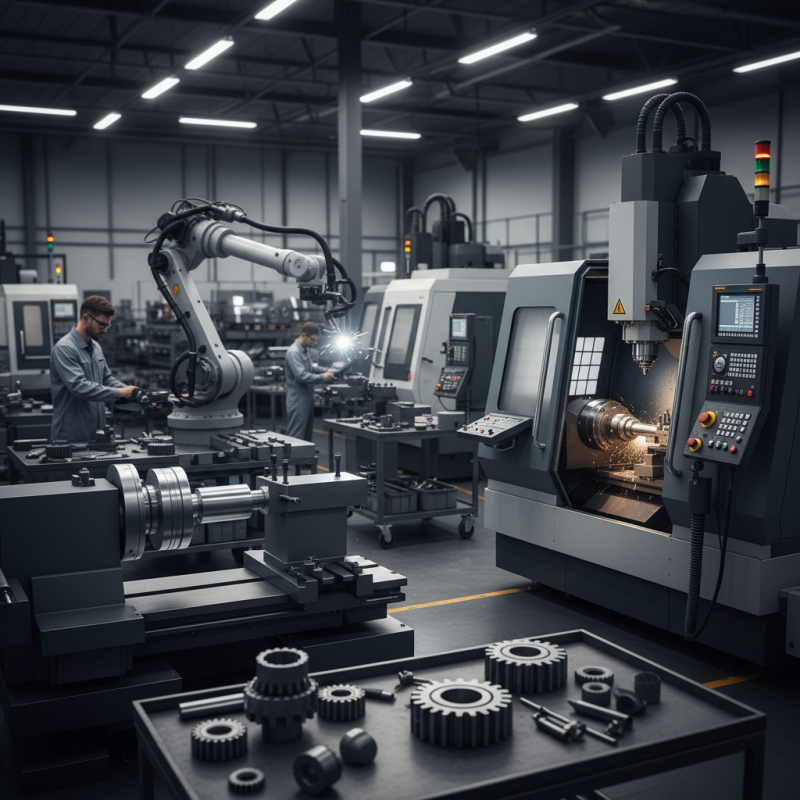
Precision engineering and manufacturing rely on an array of specialized tools. These tools enable engineers to create components with exact specifications. A high-quality lathe, for example, is crucial for turning operations. It shapes materials into precise components efficiently. A milling machine excels at creating complex shapes. It uses rotary cutters to remove material, ensuring accuracy.
In the realm of precision, each tool has its unique role. Tool grinders are vital for sharpening cutting tools, maintaining their efficiency. CNC machines provide automated precision, reducing potential human error. However, the setup and programming of CNC machines require skilled personnel. Many operators face challenges, impacting workflow. Regular maintenance of all tools is essential to sustain performance.
As manufacturers push for innovation, suggestions for improvement can emerge. Continuous education for operators often enhances their skills. Collaboration between teams can lead to innovative approaches, improving efficiency. However, finding the right balance between technology and human insight remains critical. Precision tools evolve, yet the need for human expertise shouldn't be overlooked.
Criteria for Selecting the Best Machine Tools
Selecting the right machine tools for precision engineering is crucial. Precision, versatility, and reliability are key criteria. Studies indicate that precision tools can improve production rates by 30% while reducing waste. Choosing tools that provide accurate measurements and consistent performance is essential for quality output.
When assessing potential tools, consider the specifications that matter most. Look for cutting speed, durability, and ease of use. A report by the International Journal of Advanced Manufacturing Technology emphasizes that machining accuracy directly affects product reliability. Therefore, investing in superior engineering is worth it.
Tips for selection: always review customer feedback. Real-world experiences can reveal strengths and weaknesses. Familiarize yourself with maintenance requirements. Tools that are harder to maintain might lead to unexpected downtimes. Understanding the long-term costs versus initial investment helps in making informed decisions. Use data-driven analysis for smarter tool selection.
Top 10 Machine Tools for Precision Engineering
Precision engineering demands accuracy and reliability. Choosing the right machine tools is essential. These tools provide the finer details needed in manufacturing. From CNC machines to lathes, each tool serves a unique purpose.
CNC machines are popular in precision engineering. They automate movements and reduce human error. Lathes can shape materials into precise forms, ensuring rigid tolerances. However, they require a skilled operator to adjust settings effectively. This often leads to a learning curve that not all teams can manage.
Milling machines, another vital tool, create complex shapes and features. They can be time-consuming to set up, but their accuracy is unmatched. Tooling can wear out quickly, impacting precision. Regular maintenance is necessary, which some operations overlook. These challenges urge engineers to reevaluate their processes regularly. Optimization remains a constant goal in the field.
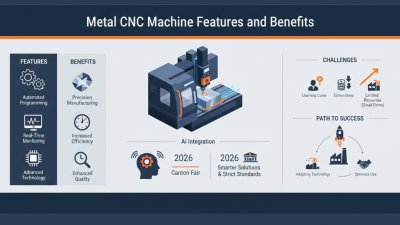
Comparison of Features and Benefits of Each Tool
In precision engineering and manufacturing, the choice of machine tools significantly impacts production quality. Commonly utilized tools include
CNC machines, laser cutters, and lathes. Each tool boasts unique features tailored for specific tasks. For instance,
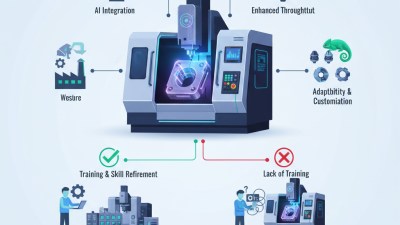
CNC machines offer high accuracy and flexibility, while laser cutters excel in precision and minimal material waste. Industry data reveals that investments in CNC technology can result in up to
50% increased throughput.
Selection should depend on the project requirements. Laser cutters, with their ability to produce intricate designs, can be essential for intricate work. On the other hand, lathes are invaluable for shaping and turning materials. Reports indicate that lathes maintain a strong position in traditional machining processes, despite the rise of advanced technology.
Tip: Evaluate the materials you primarily work with. Different tools perform better with metals, plastics, or composites.
Additionally, consider maintenance. Tools that require less frequent upkeep can enhance productivity. However, neglecting regular maintenance can lead to precision loss. Regular checks are a must; minor issues can snowball into costly repairs later.
Tip: Always keep an eye on calibration. Regular calibration ensures tools deliver consistent performance over time.
Future Trends in Machine Tools for Manufacturing Precision
The landscape of machine tools for precision engineering is evolving rapidly. Emerging technologies are shaping future manufacturing methods. Automation and advanced robotics are becoming integral. They enhance efficiency and precision. As factories implement these tools, they reduce human error significantly. This shift toward automation brings new capabilities. However, it also raises questions about job displacement and skill requirements.
Data analytics plays a crucial role in modern precision manufacturing. Machine tools now often include sensors and IoT connectivity. These technologies allow real-time monitoring and performance analysis. Companies can gather data to optimize processes and predict maintenance needs. Such insights can transform productivity levels. Yet, reliance on data poses risks. Cybersecurity challenges are increasing, making robust solutions essential.
Additionally, sustainability is a priority. The future demands eco-friendly machine tools. Companies are looking for machines that use less energy and generate less waste. Adopting sustainable practices can enhance a company's reputation. Still, transitioning to greener options may require significant investment. Manufacturers must weigh these costs against potential long-term benefits. The balance between innovation and responsibility will define the future of precision engineering.