
Leave Your Message

What Is the Best China Three Axis CNC Machine?

What Is the Best China Three Axis CNC Machine? The answer depends on accuracy, rigidity, service, software, and workload—not price alone. A small workshop cutting aluminum needs different performance from a factory machining steel molds. The machine’s cast-iron frame, linear guides, spindle power, controller, and table travel reveal more than a glossy specification sheet.

Industry data shows why this choice matters. Grand View Research estimates that the global computer numerical control machine market reached approximately USD 86.8 billion in 2023. It also projects strong growth through 2030, supported by automotive, aerospace, electronics, and general manufacturing demand. However, published market figures vary because research firms define CNC equipment differently. Three-axis machines remain widely used because they offer practical programming, lower entry costs, and reliable access to common milling operations. China’s manufacturing ecosystem also provides broad supplier choices, from economical entry-level units to heavily engineered production systems.

Dr. Yoram Koren, a leading manufacturing-systems researcher, wrote, “The future of manufacturing will be based on highly flexible, reconfigurable manufacturing systems.” His view fits this comparison. A good Three Axis Cnc Machine should adapt to changing jobs, not merely cut one familiar part. Look closely at repeatability tests, spindle runout, sample machining, technical support, and spare-part availability. Ask for evidence.

No ranking is perfect. A low-cost machine may perform impressively, yet hidden downtime can erase its savings. This guide compares Chinese three-axis CNC machines through measurable capability, user experience, supplier reliability, and long-term value. Some conclusions may change when real workshop conditions replace showroom promises.
What Is the Best China Three Axis CNC Machine?

What Is a Three-Axis CNC Machine?

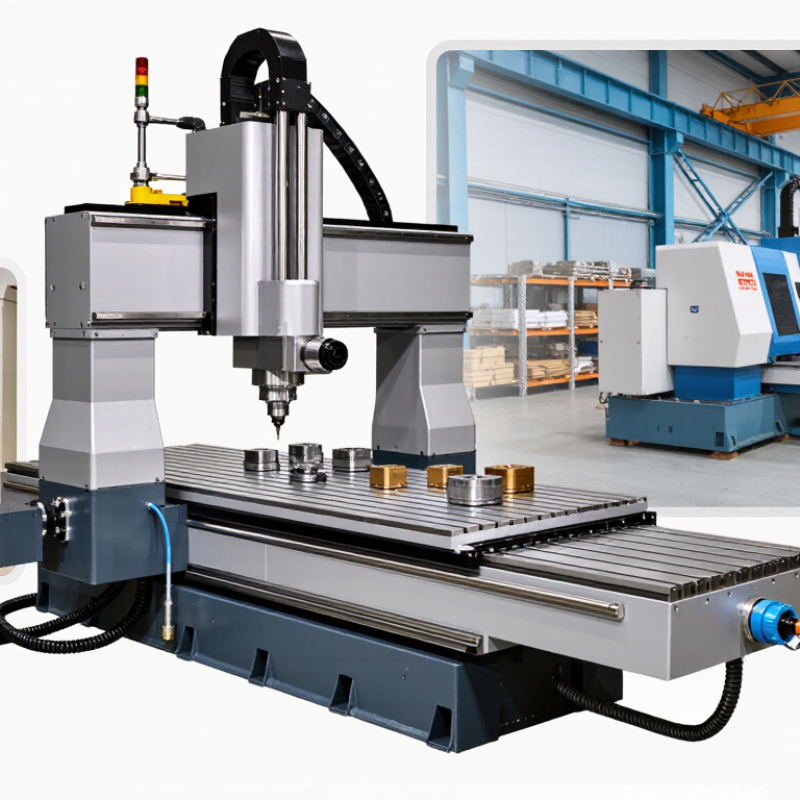
A three-axis CNC machine is a computer-controlled tool that moves along the X, Y, and Z axes. The X axis moves left and right. The Y axis moves forward and backward. The Z axis controls vertical movement. Together, these directions let the cutting tool shape wood, plastic, aluminum, and other suitable materials. The machine follows digital instructions called G-code, turning a designed model into physical parts.

In daily workshop use, three-axis equipment is valued for its clear setup and reliable performance. A fixed workpiece stays on the table while the spindle cuts from different directions. This arrangement suits signs, brackets, panels, molds, and simple mechanical components. It also helps beginners understand tool paths and cutting depth. However, it cannot easily reach every surface of a complex part. Repositioning may be necessary, and that can reduce accuracy.

I have found that careful clamping often matters more than expected. A perfect file cannot correct a loose workpiece.

Tips: Check the material before choosing cutting speed and feed rate. Use a sharp, suitable tool, and keep the tool path conservative during early tests. Measure the stock thickness manually. Software estimates can be wrong. Leave enough clearance around clamps and confirm the machine’s zero point before cutting. Short test passes reveal problems early. Do not rush this step. Safety glasses, stable fixtures, and regular maintenance support dependable results. The best three-axis CNC machine is not always the largest one; it should match the part size, materials, tolerance needs, and operator experience.
How Does a Three-Axis CNC Machine Work?

What Is the Best China Three Axis CNC Machine?

How Does a Three-Axis CNC Machine Work?

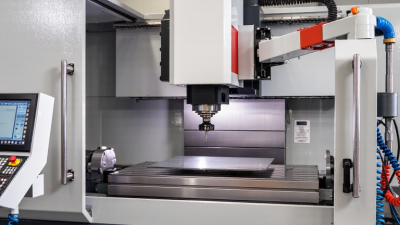
A three-axis CNC machine moves a cutting tool along the X, Y, and Z directions. X controls left-to-right travel, while Y controls front-to-back movement. Z moves the spindle vertically. A digital controller reads programmed coordinates and converts them into motor movements. The spindle then rotates an end mill, drill, or other tool against the secured workpiece.

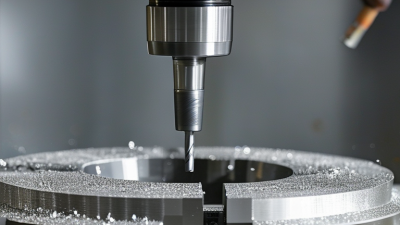
A practical setup may hold an aluminum block on a flat table. The operator sets the work origin near one corner, loads the cutting tool, and checks its length. The program then guides the tool through passes, pockets, holes, or outside profiles. Cutting depth, feed rate, and spindle speed must match the material and tool diameter. Small errors matter.

Real cutting is less tidy.

In workshop use, I have found that rigid workholding often matters as much as machine power. Vibration can leave visible lines on a finished surface. A blunt tool may create heat instead of clean chips. That assumption can fail. Even accurate machines need measured offsets, clean surfaces, and careful simulation before cutting. Operators should inspect the toolpath and confirm clearance around clamps. A three-axis system cannot easily machine every curved surface, but it remains practical for many flat, contoured, and pocketed parts.

What Is the Best China Three Axis CNC Machine? - How Does a Three-Axis CNC Machine Work?

Evaluation Dimension Typical Specification or Operating Range How It Works or Why It Matters Selection Guidance
Number of Controlled Axes 3 linear axes: X, Y and Z The cutting tool or worktable moves along three perpendicular directions. A typical machine does not rotate the workpiece during standard three-axis cutting. Suitable for flat parts, pockets, slots, contours, drilling and many prismatic components.
X-Axis Travel Common small- and medium-machine range: approximately 400–1,500 mm The X axis generally provides left-to-right movement relative to the machine coordinate system. Choose travel longer than the part length, allowing space for fixturing, tool approach and workholding.
Y-Axis Travel Common small- and medium-machine range: approximately 300–800 mm The Y axis normally controls front-to-back movement between the tool and workpiece. Match the usable Y travel to the part width and the required fixture size.
Z-Axis Travel Common range: approximately 300–700 mm The Z axis controls vertical cutting depth and tool clearance above the workpiece. Allow for stock thickness, fixture height, tool length and safe retract distance.
Spindle Speed Approximately 6,000–24,000 revolutions per minute, depending on spindle type The spindle rotates the cutting tool. Higher speeds are commonly used for smaller tools and materials such as aluminum or plastics. Select speed and torque according to material, cutter diameter and cutting strategy rather than speed alone.
Spindle Power Approximately 2.2–15 kW for many general-purpose three-axis machines Spindle power determines the machine's ability to maintain cutting performance under load. Use higher power for harder materials, larger cutters and heavier material-removal rates.
Positioning Accuracy Often specified around ±0.01–0.05 mm, depending on machine design, testing method and conditions Accuracy describes how closely the machine reaches a programmed position. Compare measurement standards, test length, thermal conditions and whether the value is positioning or machining accuracy.
Repeatability Commonly stated around ±0.005–0.02 mm for well-maintained machines Repeatability indicates how consistently the machine returns to the same commanded position. Prioritize repeatability for batch production and parts requiring consistent dimensions.
Guideway and Drive System Linear guideways with ball screws are common; rack-and-pinion systems may be used on large-format machines Guideways support motion, while the drive system converts motor rotation into controlled axis movement. Ball screws are generally preferred for precision; rack-and-pinion can be practical for long travel and high-speed routing.
Workholding Vise, clamps, fixture plate, vacuum table or dedicated fixture Workholding prevents movement and establishes a repeatable reference position during cutting. Use rigid mechanical clamping for metal; vacuum tables are useful for many sheet and panel applications.
Compatible Materials Wood, plastics, composites, aluminum and, with suitable rigidity and tooling, steel and other metals Material capability depends on machine rigidity, spindle torque, tooling, feeds, speeds, cooling and workholding. Confirm the intended material before selecting frame construction, spindle power and coolant options.
Typical Cutting Operations Facing, profiling, pocketing, slotting, drilling, tapping and 2.5D contouring CAM software converts the part model into toolpaths, which the controller translates into coordinated axis movements. A three-axis machine is effective when most features can be reached from the top or through repositioning.
Best-Fit Applications Prototypes, signs, panels, molds, fixtures, brackets, housings and general machining The fixed three-axis structure offers a relatively simple programming and setup process. A suitable machine is determined by work envelope, material, tolerance, production volume and service support.
Main Limitation Cannot continuously orient the tool around the workpiece like a four- or five-axis machine Undercuts and features on multiple faces may require manual repositioning or additional rotary equipment. Consider a higher-axis configuration when complex surfaces, deep undercuts or multi-face machining are frequent.

Which Materials Can It Machine Effectively?

When evaluating the best China three axis CNC machine, material capability deserves close attention. A rigid three axis design can machine aluminum, plastics, wood, acrylic, brass, and mild steel effectively. Each material demands different spindle speeds, feed rates, cutters, and workholding methods.

Aluminum usually produces accurate parts when sharp carbide tools and proper chip evacuation are used. Plastics need lower heat generation, or their edges may melt and deform.

Wood cuts quickly, but dust collection becomes essential for visibility and safety. Brass is generally stable, although a dull cutter can cause rough surfaces.

Mild steel is possible on a sufficiently rigid machine, but slower cutting and suitable coolant may be necessary.

Tool selection matters greatly. A two-flute cutter often clears chips well in aluminum, while compression tools can reduce tear-out in laminated wood.

Secure clamping also affects accuracy. A thin sheet may vibrate, even when the machine itself is strong.

My earlier assumption was that spindle power alone predicted performance. It does not. Frame rigidity, bearing quality, axis alignment, and software control can matter more. Small details matter. I have seen a powerful spindle produce poor results because the workpiece moved slightly. Hardened steel, titanium, and very tough alloys may exceed the practical limits of many three axis machines. Testing a sample piece remains the most reliable way to confirm cutting performance before regular production.

What Features Define the Best Three-Axis CNC Machine?

The best three-axis CNC machine is not defined by high spindle speed alone. In daily workshop use, rigidity matters more. A solid cast frame should resist vibration during aluminum cuts and hardwood profiling. Watch the toolpath at the corner. If the cutter chatters, surface marks appear quickly. Properly supported linear guides, accurate ball screws, and low backlash help maintain repeatable dimensions. Good accuracy means little when setup changes are inconsistent.

A practical machine needs a spindle matched to its materials and workload. Variable speed control, adequate torque, and reliable cooling protect both cutter and workpiece. The table should hold stock firmly, while clear access makes inspection easier. Effective chip removal matters too. Packed chips can heat a tool and spoil its edge. I also value a controller with readable diagnostics, emergency stopping, tool-offset management, and simple program recovery. These features reduce avoidable mistakes, especially for less experienced operators. Calibration routines and maintenance records provide stronger evidence than advertising claims.

Serviceability often separates a capable machine from a frustrating one. Ask whether replacement parts, technical guidance, and training are realistically available. I have seen accurate machines lose productivity because lubrication was neglected or workholding was poorly planned. That is not entirely the machine’s fault, but it exposes a design weakness. A generous working envelope is useful, yet excessive size can waste floor space and energy. The best choice should fit the material, tolerances, operator skill, and production rhythm. No single specification proves excellence. Test cuts reveal more.

How Can You Choose the Right Machine for Your Needs?

What Is the Best China Three Axis CNC Machine?

How Can You Choose the Right Machine for Your Needs?

The best three axis CNC machine depends on your work, not its advertised maximum speed. Measure your largest part first, then add room for clamps, tools, and safe movement. A machine with a 600 mm working area may feel small after fixtures occupy the table. Check the table’s load capacity too. Heavy steel parts can expose weak designs quickly.

Match the spindle to your materials and production rhythm. Aluminum needs stable speed control and efficient chip removal. Wood may require a larger cutting area and effective dust collection. For steel, rigidity matters more than impressive speed figures. Review spindle power, collet sizes, guide systems, and frame construction. Ask for repeatability data from practical testing, not only promotional specifications. A test cut can reveal vibration, rough edges, and unexpected setup time.

Control software should be understandable to your operators. Confirm file compatibility, emergency-stop access, guarding, and electrical requirements before purchase. Service support also matters. Replacement parts, training, and clear maintenance instructions can prevent long production delays. One common mistake is focusing only on the purchase price. I would also calculate tooling, installation, extraction, electricity, and calibration costs. My earlier assumption that faster movement always meant better output was wrong. Poor rigidity can turn speed into wasted material. Leave room for learning. Even a capable machine may need careful setup and repeated adjustment.

What Is the Best China Three Axis CNC Machine?

How Can You Choose the Right Machine for Your Needs?

The chart presents a practical evaluation framework for comparing three-axis CNC machines. Application suitability and machine rigidity receive the highest weighting because they directly affect cutting performance, dimensional accuracy, and long-term reliability. Buyers should adjust these weights according to material, workpiece size, production volume, tolerance requirements, service availability, and total ownership cost.