What are the Benefits of Using a 5th Axis CNC Machine in 2026?
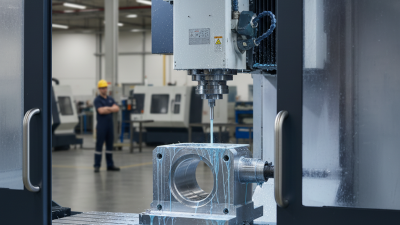
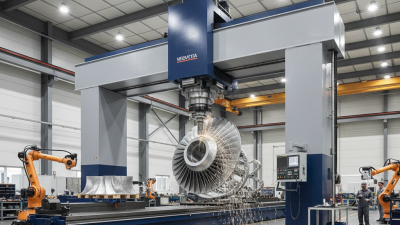
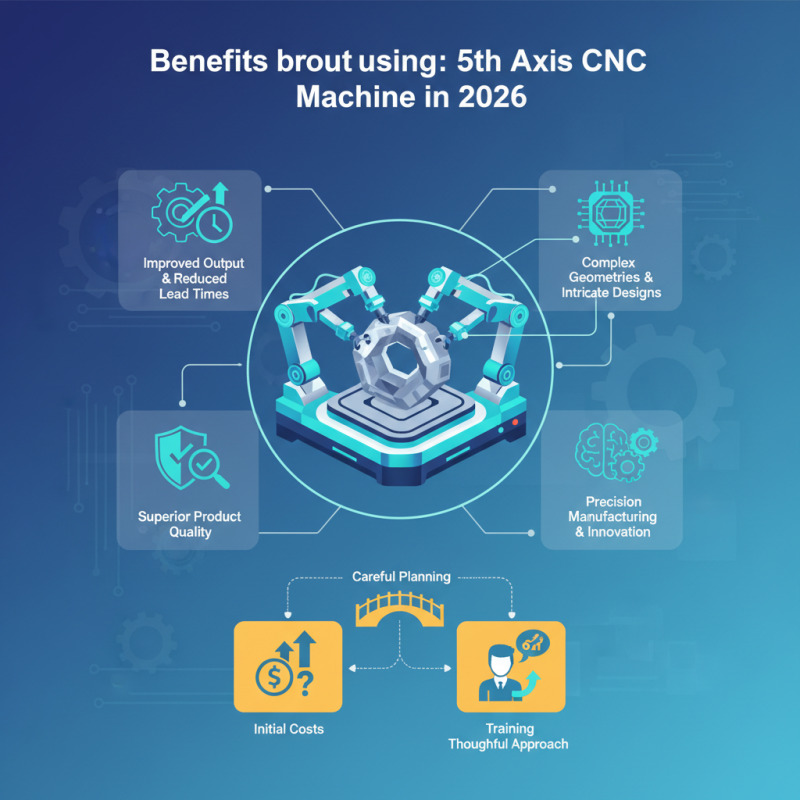
In 2026, the manufacturing industry continues to evolve. One significant advancement is the utilization of the 5th Axis CNC Machine. This technology offers remarkable benefits that can enhance production efficiency and accuracy. Companies adopting this machinery report improved output and reduced lead times.
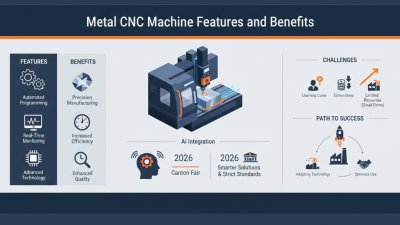
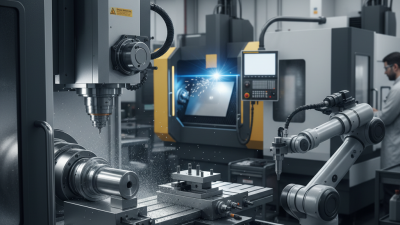
The 5th Axis CNC Machine allows for complex geometries and intricate designs. This capability can lead to superior product quality. However, integrating this technology requires careful planning. Not all companies may find it easy to navigate the initial costs and training requirements. These challenges are essential to address for successful implementation.
As industries embrace innovations, understanding the value of the 5th Axis CNC Machine is crucial. It stands out in precision manufacturing. Balancing its benefits with potential hurdles fosters a thoughtful approach toward its use. Thus, this technology not only promises great strides in production but also encourages a reflection on best practices and continuous improvement in manufacturing processes.
Advantages of 5th Axis CNC Machines for Improved Precision Manufacturing
The use of 5th Axis CNC machines is growing rapidly in precision manufacturing. According to a recent report by SME, these machines can improve productivity by 30% compared to traditional methods. This increase stems from their ability to perform complex machining tasks in a single setup. This eliminates the need to reposition the part multiple times, reducing errors and improving overall accuracy.
Additionally, 5th Axis CNC allows for better tool access to intricate geometries. This is particularly valuable in industries such as aerospace and medical device manufacturing, where precision is crucial. A survey conducted by AMT shows that over 50% of manufacturers noted an increase in part quality when using advanced CNC technology. However, the implementation of these machines comes with a steep learning curve, requiring skilled operators to achieve optimal results.
Some manufacturers find the initial cost and maintenance a burden. Adopting this technology may not yield instant returns. Decision-makers should weigh the potential benefits against these challenges. Ensuring adequate training for staff is necessary to fully leverage the advantages offered by 5th Axis CNC machines. Trust and reliance on skilled expertise remain vital in navigating this evolving landscape.
Benefits of Using a 5th Axis CNC Machine in 2026
Enhanced Complexity Handling with 5th Axis CNC Technology in Machining
The integration of 5th axis CNC technology in machining marks a significant leap in complexity handling. Traditional 3-axis machines can struggle with intricate designs. The 5th axis allows for seamless multi-directional machining. This technology enhances the precision and accuracy of complex geometries. Components can be machined in a single setup, reducing the need for manual repositioning.
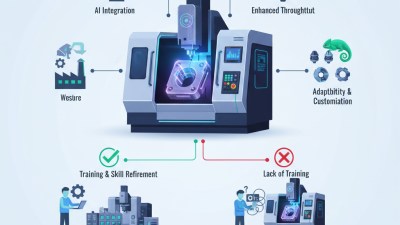
Imagine crafting detailed aerospace parts that fit perfectly together. The 5th axis enables manufacturers to tackle these challenges head-on. It allows for undercuts and deep cavities that were once difficult to achieve. However, mastering this technology requires a steep learning curve. Operators must adapt to new programming techniques and machine operations. It's not always intuitive, and the learning process can be frustrating.
While the benefits are clear, there are also risks to consider. Programming errors can lead to costly mistakes. Balancing creativity with technical skills is essential. CNC operators need to be vigilant and detail-oriented. As manufacturers embrace this technology, >ongoing training and development are vital. This ensures all staff can fully leverage the capabilities of 5th axis CNC machining.
Time Efficiency Gains in Production Processes with 5th Axis CNC Machines
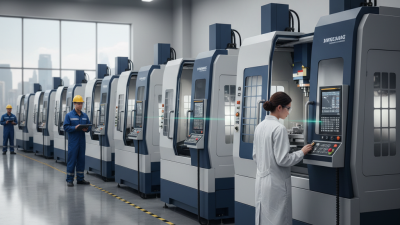
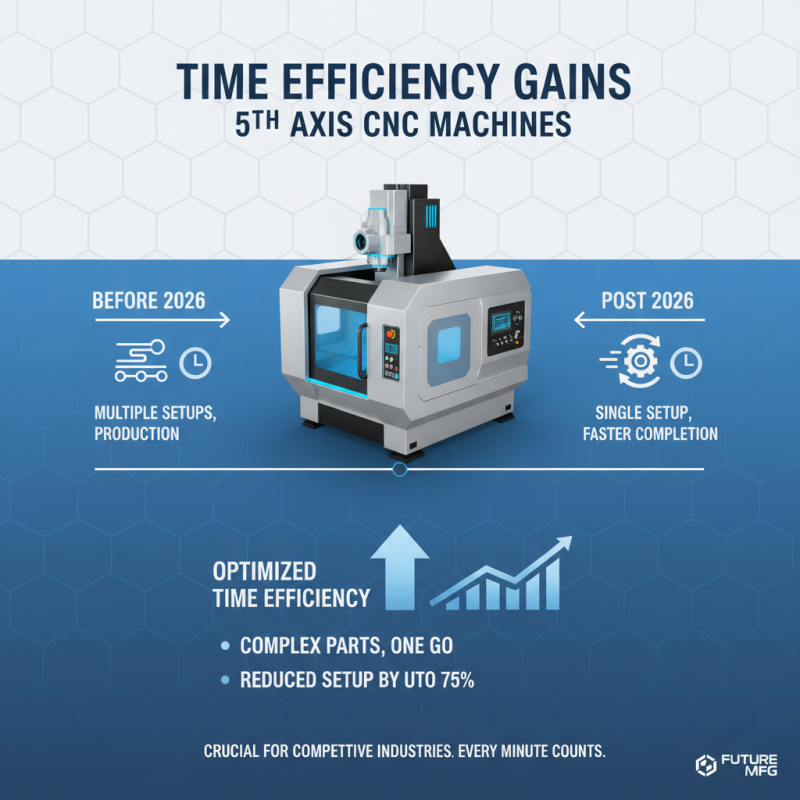
The introduction of 5th axis CNC machines in 2026 has transformed the landscape of production processes. These machines optimize time efficiency significantly. They allow manufacturers to create complex parts in a single setup. Reducing setup time leads to faster project completion. This innovation is crucial in competitive industries, where every minute counts.
Tips for maximizing time efficiency with 5th axis CNC machines include adequate training for operators. A skilled team ensures the machine runs smoothly. Regular maintenance checks are necessary to prevent downtime. Additionally, utilizing advanced software can streamline programming. It helps avoid errors that could lead to wasted materials and time.
When adopting new technology, some challenges may arise. Operators might initially struggle to adapt to a 5th axis machine. Investing in ongoing training can mitigate this issue. Sometimes, the initial cost may seem daunting, but the long-term savings can be substantial. Reflecting on these factors helps businesses make informed decisions.
Cost-Effectiveness: Saving Resources with 5th Axis CNC Technology
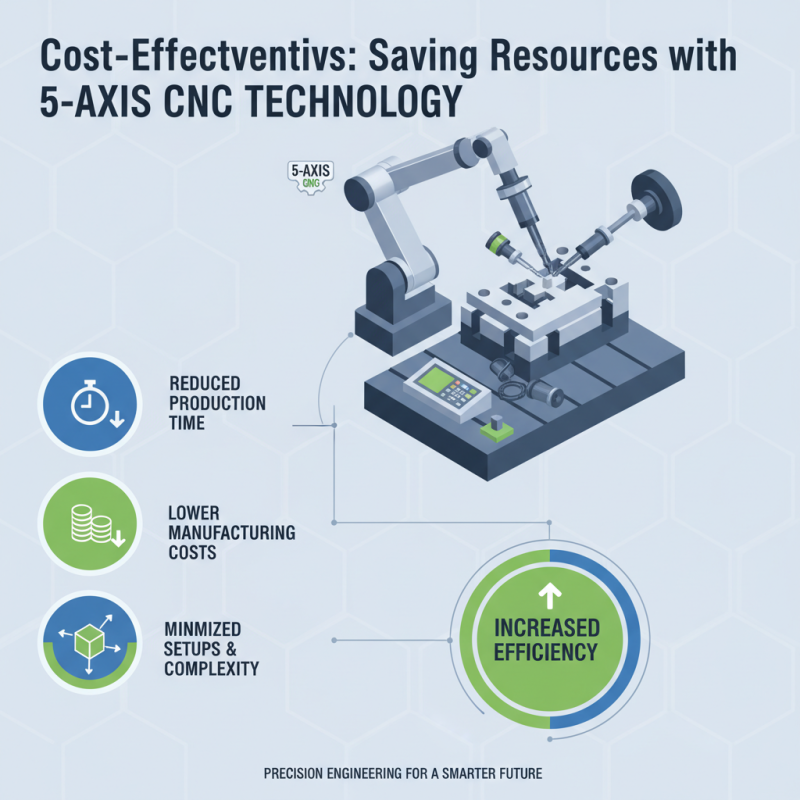
The integration of 5th axis CNC technology in machining processes marks a significant advancement in precision engineering. Using this technology can dramatically reduce production time and costs. By enabling multi-directional cutting, a 5th axis CNC machine minimizes the need for workpiece repositioning. This capacity cuts down on the time spent on setups and enhances the efficiency of complex projects.
However, while the initial investment might seem high, the long-term savings are considerable. Parts can be completed in fewer operations, translating to lower labor costs. Additionally, the accuracy of 5th axis machining leads to reduced waste. Yet, it’s essential to remember that mastering this technology requires training and skill. Companies may find that the learning curve can affect productivity during the transition phase.
Despite some challenges, the overall benefits provide a compelling case for adoption. Firms aiming for competitiveness must weigh immediate costs against future savings. In the landscape of manufacturing, adapting to innovative solutions like 5th axis CNC can be both a risk and a valuable opportunity for growth.
Versatile Applications: Industries Benefiting from 5th Axis CNC Machines
In 2026, 5th Axis CNC machines drive significant advancements across multiple industries. Aerospace manufacturers increasingly rely on these machines for producing complex geometries. A report from industry analysts indicates that the aerospace sector employs precision machining to reduce weight while enhancing structural integrity. This need aligns perfectly with the capabilities of 5th Axis CNC technology.
Medical device production benefits similarly. The ability to machine intricate components with high precision is crucial. Analysts report that the medical device market is expected to reach $600 billion by 2027, indicating strong growth. Here, 5th Axis CNC machines reduce waste and turnaround times. Yet, challenges remain. The initial investment for these machines can be daunting for smaller firms, limiting their accessibility.
Automotive manufacturers also reap rewards from flexible machining capacities. They produce custom parts and prototypes more efficiently. Industry projections suggest that the automotive sector's growth will necessitate continued innovation in machining techniques. Companies face the constant pressure to adapt or risk falling behind competitors. As the technology evolves, users must confront the balance between advancement and expense.
What are the Benefits of Using a 5th Axis CNC Machine in 2026? - Versatile Applications: Industries Benefiting from 5th Axis CNC Machines
| Industry |
Application |
Benefit |
| Aerospace |
Component Manufacturing |
Improved precision and reduced weight |
| Automotive |
Tooling and Fixture Production |
Enhanced productivity and faster prototyping |
| Medical |
Surgical Instrument Design |
High accuracy and customizable designs |
| Manufacturing |
Complex Part Production |
Reduction in setup times and tooling costs |
| Electronics |
Circuit Boards and Components |
Increased design flexibility and miniaturization |