2026 Top Vertical Machine Innovations and Trends to Watch?
The world of manufacturing is rapidly evolving, particularly with the rise of Vertical Machines. These innovative technologies focus on vertical orientation, enhancing efficiency and precision in various industries. As we approach 2026, understanding the latest developments in Vertical Machine innovations is crucial.
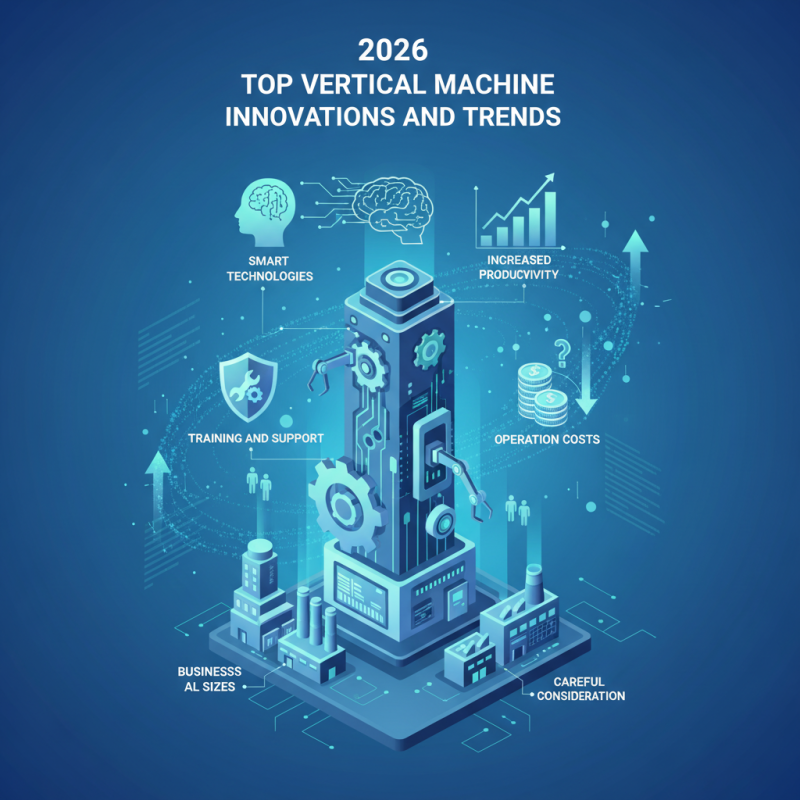
New designs and functionalities are making vertical machining centers more accessible to businesses of all sizes. Advanced automation features are gaining traction, providing opportunities for increased productivity. However, companies must be cautious; technology implementation requires careful consideration of operation costs.
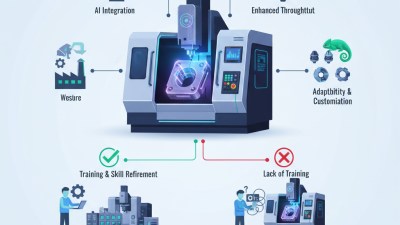
The trends emerging in Vertical Machines showcase the importance of adaptability and continuous improvement. Integrating smart technologies can lead to significant advantages. Yet, it is vital to reflect on the challenges that come with transitioning to these new systems. Organizations must prioritize training and support to maximize the potential of their Vertical Machines, ensuring they remain competitive in a changing market.
Emerging Technologies Shaping Vertical Machine Innovations in 2026
As we approach 2026, several emerging technologies are set to redefine vertical machine innovations. Advanced robotics and AI integration are leading the charge. According to a report by Gartner, 60% of manufacturers will deploy AI to enhance operational efficiency, allowing for more responsive production lines. This shift is not just about automation; it's about creating machines that can learn and adapt in real-time.
Additionally, sustainability is becoming a pivotal focus in design. A recent study by McKinsey highlights that around 70% of organizations aim to implement eco-friendly practices in their operations. This includes using recycled materials and minimizing waste during the production process. However, the transition is not seamless. Many companies struggle to balance innovation with sustainability, facing challenges in sourcing sustainable materials without compromising performance.
Furthermore, the rise of the Internet of Things (IoT) continues to impact vertical machines. With an estimated 75 billion connected devices by 2025, data exchange will fuel smarter machines. Companies are grappling with data security and integration issues amid rapid growth. Achieving seamless connectivity remains a complex challenge for many stakeholders in the industry, emphasizing the need for a robust framework of policies and practices. This ongoing evolution showcases both opportunities and obstacles in the journey towards smarter vertical machine innovations.
2026 Top Vertical Machine Innovations and Trends to Watch
| Innovation/Trend |
Description |
Impact on Industry |
Expected Year of Implementation |
| AI-Driven Predictive Maintenance |
Utilizing AI algorithms to predict machinery failures before they occur. |
Increased uptime and reduced maintenance costs. |
2026 |
| Smart Manufacturing Systems |
Integration of IoT devices for real-time monitoring and automation. |
Enhanced efficiency and resource management. |
2026 |
| Robotic Process Automation (RPA) |
Use of robots to automate repetitive tasks. |
Increased productivity and lower operational costs. |
2026 |
| Sustainable Manufacturing Practices |
Adopting eco-friendly materials and processes. |
Better environmental impact and compliance with regulations. |
2026 |
| Augmented Reality in Training |
Utilizing AR for hands-on training of machine operators. |
Improved training efficiency and reduced accidents. |
2026 |
Key Trends in Automation and AI for Vertical Machines in 2026
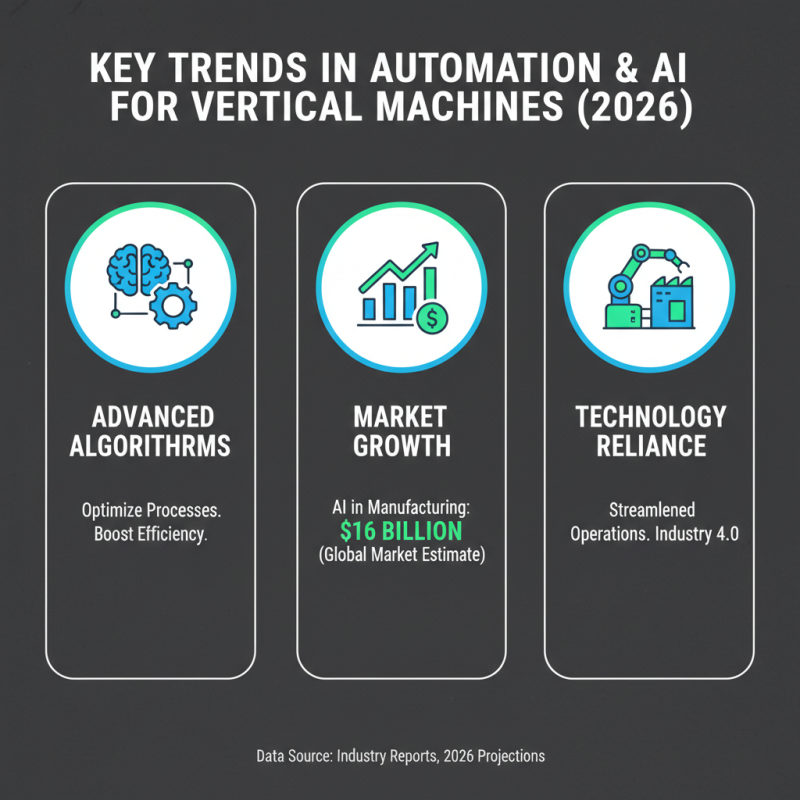
In 2026, the integration of automation and AI will redefine vertical machine innovations. Advanced algorithms are now optimizing processes, leading to higher efficiency. Reports indicate that the global market for AI in manufacturing is expected to reach $16 billion by 2026. This trend reflects the growing reliance on technology to streamline operations.
Machine learning will become pivotal in predictive maintenance. Sensors embedded in machinery can collect real-time data, forecasting potential failures. This shift not only reduces unexpected downtimes but also cuts maintenance costs by up to 30%. However, these systems require continual calibration. Relying solely on AI can lead to oversight in nuanced human judgment.
Additionally, robotics is set to evolve alongside AI. Traditional roles will shift as machines take over repetitive tasks. Worker productivity can increase by 20% with the right automation. Yet, this raises concerns about job displacement. Balancing technological advancement with human employment needs careful consideration. Engagement with the workforce in this transition is crucial for success.
Sustainability Practices in Vertical Machine Manufacturing for 2026
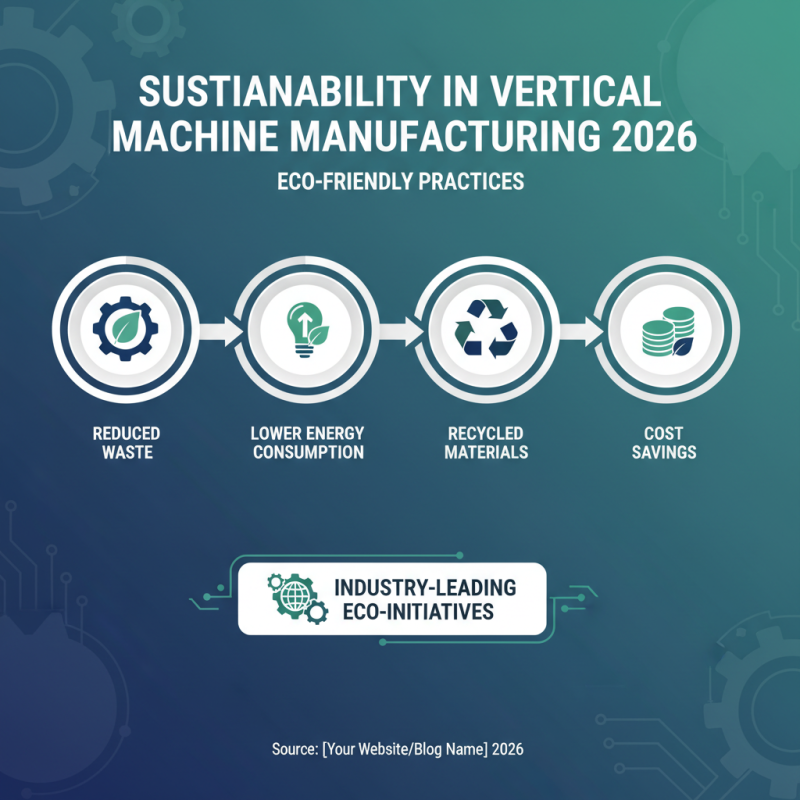
In 2026, sustainability will dominate vertical machine manufacturing. Industry leaders are increasingly focusing on eco-friendly practices. The aim is to reduce waste and energy consumption throughout the production process. Companies will prioritize using recycled materials. This shift not only supports the environment but also cuts costs in the long run.
Many manufacturers are adopting renewable energy sources. Solar and wind power are becoming more common in factories. However, transitioning to these energy sources is not without challenges. Initial investments can be high, and some may struggle to integrate new technologies. But those that succeed will set a standard for others.
Innovation will play a vital role in this sustainability push. For instance, advanced manufacturing techniques can minimize material waste. Utilizing artificial intelligence can also optimize production efficiency. Nonetheless, these innovations may require upskilling the workforce. The gap between current skills and future demands must be addressed. As manufacturers navigate this evolving landscape, the commitment to sustainability will be crucial for their success.
Impact of Industry 4.0 on Vertical Machine Efficiency and Design
The impact of Industry 4.0 on vertical machine efficiency and design is profound.
Smart manufacturing technologies are reshaping traditional practices.
Automated systems utilize data analytics for real-time decision-making.
This leads to reduced downtime and increased operational efficiency.
However, not all industries have adapted equally. Differences in technology adoption can widen performance gaps.
Vertical machine design is evolving, driven by enhanced connectivity.
Sensors collect data that informs design improvements. As a result, manufacturers can create machines that better meet specific needs.
Yet, concerns about data security persist.
Protecting sensitive information remains a significant challenge. This uncertainty can hinder full adoption of new technologies.
Maintenance practices are also changing.
Predictive maintenance allows for timely repairs, optimizing performance.
However, reliance on technology can sometimes lead to overconfidence.
Technicians may overlook basic troubleshooting steps.
Balancing advanced tech use with fundamental skills is crucial for overall success.
Embracing this balance can position companies for sustained growth in a competitive landscape.
Future Applications of Vertical Machines Across Various Industries in 2026
The landscape of vertical machines is set to evolve significantly by 2026. Industries like manufacturing and healthcare are integrating vertical machines more deeply. A report from Grand View Research indicates that the global market for vertical machineries is projected to grow at a compound annual growth rate of 9.4% from 2023 to 2030. This growth signals an increasing reliance on automation and precision engineering, which can drive efficiency.
Healthcare applications are particularly promising. Vertical machines can enhance surgical precision and reduce recovery times. A survey by the Healthcare Robotics and Automation market predicts that robotic surgeries using vertical machines could account for 30% of all procedures by 2026. Yet, this raises questions. Are we fully prepared for the ethical implications? Can we ensure these machines maintain a human touch in healthcare settings?
In manufacturing, these machines could revolutionize assembly lines. Companies are expected to reduce labor costs by up to 25% while increasing production output by 50%. However, there's a cautionary tale here. Overreliance on automation may lead to job losses. How will industries balance these advancements while safeguarding workers' futures? These are essential discussions for the advancement of vertical machines in various fields.